
 en-US
en-US 

 Telegram
 WeChat


Why is Wall Street so closely watching the midterm elections?
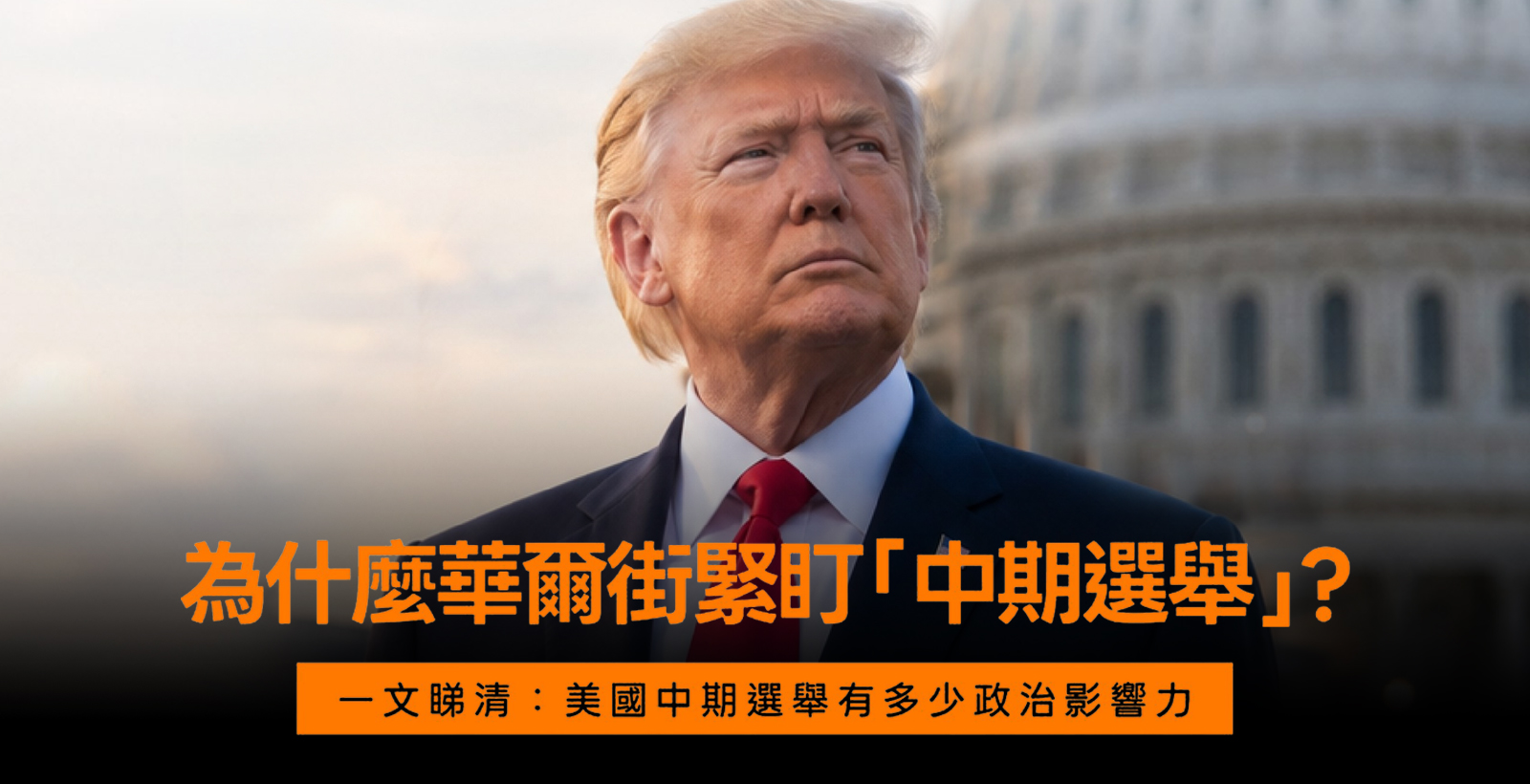
The U.S. midterm elections will be held in November.
This time, it's not a presidential election. No matter the outcome, Trump will still complete the remainder of his term.
So why does Trump care so much, and why are financial markets closely watching?
Because the midterms do more than determine who controls Congress—they also test, to some extent, how much political influence Trump still holds over the next two years.
The president remains the president—so why the difference?
This midterm election will see all 435 House seats and about one-third of Senate seats up for re-election.
Many key issues in the U.S., including taxation, government spending, budgets, and legislation, require congressional involvement.
Therefore, even if Trump remains president, a shift in the balance of power in Congress could completely change the political environment he faces.
Here’s a crucial distinction:
Power ≠ Influence
Trump still holds the executive powers of the presidency.
But politics isn't just about "whether you have power"—it's also about:
how many people are willing to support your direction.
This is what we commonly call:
Political Capital.
The midterm elections, in fact, serve as a political stress test.
Lawmakers themselves must answer to their voters.
If the midterms show that Trump’s agenda fails to deliver enough votes for Republicans, some GOP members will naturally reassess:
Is staying closely aligned with Trump still the most advantageous choice?
Thus, the midterms test not only whether Republicans can retain control of Congress,
but also how much influence Trump still commands within his party.
Why is this election particularly worth watching?
Because Trump has now entered his second presidential term. Under current constitutional rules, he cannot run for a third.
As a president who can no longer seek re-election draws closer to the end of his term, other figures within the party increasingly have incentives to begin planning for the next political cycle.
In American politics, there's a common phrase:
Lame Duck—literally, a lame duck.
It typically describes an official whose term is nearing its end and whose political influence is waning.
This doesn’t mean Trump will automatically become a “lame duck” after the midterms.
But the election results could affect whether his political capital survives into the latter half of his term—and how quickly Republicans shift focus toward 2028.
So why should financial markets care?
Because political changes ultimately reflect on the economy.
After the midterms, Wall Street will reassess:
How will government spending evolve?
Will tax policies be adjusted?
How will the fiscal deficit develop?
Could trade, energy, or regulatory policies change?
These factors will further impact corporate earnings, inflation, U.S. Treasury supply, and interest rate expectations.
Therefore, what markets truly care about isn’t just how many seats Republicans or Democrats win.
Rather, it’s which assumptions about the U.S. economy over the next two years need to be recalculated.
What does this mean for gold?
The midterms won’t directly determine gold prices. What really matters is whether, after the election, markets revise their expectations regarding *fiscal deficit, inflation, interest rates, and the dollar*.
Because politics is only the starting point. What truly drives gold prices is the subsequent economic transmission.


