
 en-US
en-US 

 Telegram
 WeChat


2026-09-17
Recently, the yield on U.S. 10-year Treasury bonds has once again surpassed 5%, reaching as high as approximately 5.04%—a level not seen since 2007. Why does the market pay so much attention? Because the 10-year U.S. Treasury yield is one of the most important benchmark interest rates in global financial markets. When even near-risk-free U.S. government bonds offer around 5% returns, other assets must be re-evaluated. For stocks, investors ask: If Treasuries already offer 5%, how high must stock returns be to justify taking on additional volatility? Thus, rising long-term bond yields often put pressure on stock valuations. The same applies to real estate and businesses. Higher long-term financing costs make it harder for mortgage rates, corporate bond issuance, and borrowing to decline. In other words, what truly worries investors about a 5% yield isn't just higher bond returns—it's that the cost of capital across the entire market has become more expensive. Therefore, beyond monitoring its impact on equities, property, and gold, there’s another crucial question: Why has the 10-year Treasury yield risen to 5%? Why do bond yields rise? Bonds have a fundamental relationship: *When bond prices fall, yields rise; when bond prices rise, yields fall.* If investors believe current returns aren’t attractive enough, demand for bonds drops, causing bond prices to fall and yields to rise until returns are sufficient to attract buyers. And a 10-year yield rising to 5% is typically not due to a single factor alone. Markets consider multiple factors simultaneously: how long interest rates will remain elevated, whether inflation might pick up again, how much debt the U.S. government plans to issue, and how much extra return investors require to hold 10-year Treasuries. This brings us to an essential concept: risk compensation. When locking money away for 10 years, investors naturally expect compensation for potential risks such as inflation, interest rate fluctuations, and fiscal uncertainty. The higher the uncertainty, the greater the required return. So what does this mean for gold? In the short term, higher bond yields usually weigh on gold. Gold itself doesn’t generate interest. When U.S. Treasuries offer around 5%, the opportunity cost of holding gold increases. Especially when *real interest rates are high and the dollar remains strong*, gold tends to face added pressure. But that’s only half the story. If long-term yields stay persistently high, they may begin to squeeze corporate financing, housing markets, and economic growth—potentially increasing concerns over fiscal policy, inflation, or financial stability. In such cases, gold’s role as a safe haven and store of value could regain importance. Thus, the relationship between bond yields and gold isn’t always straightforwardly inverse. It can be understood this way: Initially, higher yields tend to pressure gold; *but if those high yields eventually become a source of risk for the economy and financial markets themselves,* gold could end up benefiting. Therefore, when analyzing gold, don’t simply remember: "Yields rise = gold falls." *What matters more is understanding:* Why are yields rising?

2026-09-11
The Japanese yen has recently strengthened significantly. For the average person, this might simply mean higher costs when exchanging currency for travel to Japan. But in financial markets, a sudden surge in the yen can sometimes trigger a more significant phenomenon: Carry Trade Unwind—liquidation of carry trades. For years, Japan has maintained low interest rates, prompting many investors to borrow cheap yen, convert it into dollars, and invest in U.S. stocks, Treasuries, or other higher-yielding assets. As long as Japanese interest rates remain low and the yen stays weak, such trades are highly attractive. However, when the yen suddenly appreciates sharply, these positions may begin to unwind. What is Carry Trade Unwind? When the yen strengthens, investors face higher costs to repay their yen-denominated loans. The previously earned interest differential can quickly be erased by exchange rate losses. Investors then start unwinding their positions: Originally: Borrow yen → Invest in overseas assets Unwinding: Sell overseas assets → Buy back yen → Repay the loan This reverse process is known as Carry Trade Unwind. Rising Japanese interest rates and rapid yen appreciation are both common triggers for such unwinds. The former increases the cost of borrowing yen, while the latter makes repaying yen more expensive. When both occur simultaneously, what was once a profitable trade can suddenly lose its appeal. Why does unwinding affect global markets? Because borrowed yen often flows into various global assets—including equities, bonds, emerging market instruments, and other risk assets. When investors liquidate carry trades, they must first sell their foreign holdings and then buy yen to repay the debt. Thus, even if you haven't invested in yen directly, you could still be affected. More importantly, many carry trades involve leverage. Once the yen rises too quickly: Yen surges → Carry trade losses increase → Investors cut positions → Global assets are sold off → Asset prices fall → Stop-loss orders and margin calls are triggered → More positions are forced to close This can create a self-reinforcing cycle of unwinding. What lessons should investors take away? The most important aspect of a carry trade unwind is its potential to amplify an ordinary market correction into a rapid sell-off. When leverage starts to break down, some investors sell assets not because they're bearish on the future, but because they need to raise cash, reduce leverage, or meet margin requirements. Therefore, during a major carry trade unwind, markets may simultaneously see: Sharp yen appreciation + Stock market declines + Rising volatility + Pressure on global risk assets However, a stronger yen doesn’t necessarily mean a broad market crash. The actual impact depends on how much carry trade exposure has built up, how much leverage was used, and how quickly the unwinding occurs.

2026-09-07
Recently, major global bond markets have experienced significant volatility, with governments facing rising long-term borrowing costs. The yield on U.S. 10-year Treasury bonds has climbed to around 4.8%, the highest level since 2023; Japan's 10-year government bond yield has surged to 3%, the first time above that mark since 1996. Long-term bond yields in Germany and the UK have also reached multi-year highs. Many people might assume that when a government issues debt, it’s simply announcing an interest rate and borrowing at that rate. In reality, while governments can decide how much debt to issue, they cannot fully control the price at which the market is willing to buy or the return investors demand. Financial markets even have a colorful term for this force: Bond Vigilantes—bond vigilantes. Who are the "bond vigilantes"? They are not an actual organization but rather a term describing investors in the bond market. When investors grow concerned about a country’s fiscal deficit expanding continuously, debt growing too rapidly, or policies potentially fueling inflation, they may demand higher returns before continuing to hold that country’s bonds. This translates into the market as follows: Investors reduce bond purchases or sell bonds → bond prices fall → yields rise → government borrowing costs increase. This dynamic reflects a form of balance between governments and financial markets. Governments can use borrowing to increase spending, but if markets begin to worry about fiscal health, financing costs may rise accordingly. Why does more debt lead to heavier interest burdens? Each year, governments not only issue new debt but must also refinance large amounts of maturing old debt. Suppose a batch of existing bonds originally carried a 3% interest rate. When they mature, if the market now demands a 5% return to take on new bonds, the government must refinance at a higher rate. As the overall debt burden grows, this effect becomes amplified. When markets start worrying about fiscal sustainability, a vicious cycle may emerge: Debt increases → interest payments rise → fiscal deficit becomes harder to close → financing needs grow → markets demand even higher returns. U.S. government debt has now surpassed $40 trillion. As debt levels rise and bond yields remain high, the government’s interest expenditure will gradually increase. Is this recent surge in global bond yields due to the "bond vigilantes" stepping in? Actually, the situation is more complex. Recent tensions in the Middle East and rising oil prices have reignited market concerns over inflation. Expectations of interest rate hikes in the U.S., Europe, and Japan have also intensified. Meanwhile, increased government funding needs, combined with large technology firms raising substantial capital for AI infrastructure, mean both governments and corporations are competing for market funds. Thus, the recent rise in bond yields results from a combination of factors—including inflation, interest rate expectations, bond supply, and fiscal risks. * "Bond vigilantes" deserve attention because as governments become increasingly reliant on borrowing, the price investors are willing to pay for government bonds becomes ever more critical. Why should other investors care about bond markets? Government bond yields serve as one of the key pricing benchmarks in financial markets. Especially U.S. Treasury yields, which influence valuations and financing costs across a wide range of global assets. When long-term U.S. bond yields continue to rise: - Corporate financing costs may increase → Mortgage rates remain high → Bonds become more attractive relative to cash → Stock valuations may also face pressure Gold is similarly affected. Rising bond yields typically drive up both the dollar and real interest rates, often putting short-term downward pressure on gold prices. However, higher yields may reflect market concerns over U.S. fiscal sustainability and the dollar's creditworthiness—factors that could instead boost demand for gold as a safe haven and diversification tool. Therefore, when we see "rising bond yields," it's important not only to look at the numbers themselves, but also to understand *which underlying forces are driving the increase*. * The government can decide how much debt to issue, but it cannot guarantee that the market will always be willing to lend at low interest rates. When concerns about fiscal policy, inflation, or debt outlook grow, investors may demand higher returns. This is the power of bond markets: they pressure governments through price.

2026-08-28
Recently, the U.S. Treasury has increased the scale of long-term bond buybacks, raising the single transaction volume for 10- to 30-year old bonds from a maximum of $2 billion to at least $4 billion. Many people’s first reaction is: Is the U.S. starting to buy back bonds again—does this mean another round of "money printing"? In fact, this is not quantitative easing (QE). QE involves the Federal Reserve expanding its balance sheet by purchasing bonds to increase bank reserves. This time, however, it's the Treasury buying back some of its older debt, primarily to improve liquidity in the long-term bond market. So rather than saying the U.S. is restarting its "printing press," it would be more accurate to say it is reorganizing its own debt structure. But here comes the question: With immediate pressures eased, where have the risks gone? Is borrowing short-term really cheaper? Suppose you need to borrow $1 million. One option is to lock in interest rates today for 30 years; another is to borrow for three months and then roll over the loan when it matures. The former locks in costs early; the latter offers flexibility but requires facing market rates every few months. The same applies to government debt issuance. Short-term Treasury bills (T-Bills), due to their short maturities and high liquidity, are in strong demand from money market funds, banks, and large corporations, making them typically easier for the market to absorb. But there’s a cost to short-term debt: frequent refinancing. If future interest rates fall, the government can refinance at lower costs. But if high rates persist longer than expected, each maturity will require new financing at higher rates. This is known as "refinancing risk." Thus, issuing short-term debt doesn’t eliminate interest rate risk—it merely postpones today’s rate challenges to the next cycle. More importantly: Where does the money come from to buy these short-term bonds? This is a layer often overlooked. In recent years, a large amount of capital from U.S. money market funds has been parked in the Federal Reserve’s reverse repurchase program (RRP). When T-Bill yields become more attractive, funds can shift money from RRP into short-term bonds. This is simply moving funds from one safe short-term asset to another, with relatively limited direct pressure on bank reserves. However, if the RRP pool continues to shrink while new short-term bond issuance demands more bank deposits or other market funding, the situation changes. When investors purchase bonds, the funds first flow into the Treasury General Account (TGA) at the Federal Reserve. Until the government spends that money again, bank reserves may face greater strain. Thus, issuing the same $10 billion in short-term debt could have entirely different market impacts depending on the source of funding. Bond issuance volume tells you how much the government has borrowed; the source of funding reveals where market liquidity actually goes. This kind of "liquidity crunch" has happened before. In September 2019, corporate tax payments coincided with a wave of maturing Treasury securities, causing a sudden drop in bank reserves. At the same time, dealers holding large amounts of Treasuries needed financing. As a result, the overnight repo rate—which normally hovers around 2%—surged close to 10%, ultimately requiring intervention from the Federal Reserve to restore liquidity. At that time, the financial system wasn't completely out of cash. It was just that the money wasn’t staying where it was most needed. That’s why markets are now paying renewed attention to the structure of U.S. debt issuance. So is this move truly a "market rescue"? While increasing long-term bond buybacks can indeed improve liquidity for certain older bonds and ease current pressures in the long-term bond market, it doesn’t address the fiscal deficit nor eliminate the U.S.’s massive debt burden. If future financing increasingly relies on short-term debt, the government will face refinancing more frequently. Moreover, who buys the short-term debt and with what funds will significantly affect the overall liquidity of the financial system. Therefore, rather than being a "rescue," this move resembles a risk swap: Alleviating some of today's pressure on the long-term debt market, while leaving more issues for future refinancing and cash flows. The debt hasn't disappeared. What has changed is—where and when the risk emerges.

2026-08-06
Recently, the United States and Japan have rarely coordinated to support the yen in an effort to halt its sharp and ongoing decline. Many people's first question is: The yen is Japan's currency—why is the U.S. getting involved? Is it merely because of the strong U.S.-Japan relationship? In fact, what the United States truly cares about is not just the yen itself, but whether a sharp decline in the yen could further affect the dollar, U.S. Treasury bonds, and global capital flows. Why does the yen's decline affect the U.S.? A sharp drop in the yen involves massive flows of U.S. dollar capital. Yen falls → Capital sells yen and buys dollars → The dollar strengthens further → Other Asian currencies come under pressure → Global dollar financing costs rise On the other hand, for Japan to support the yen, it typically needs to sell dollars and buy yen. Japan's foreign exchange reserves include a large amount of U.S. Treasury bonds. As intervention scales up: → Japan may liquidate its dollar assets → Markets worry about potential sales of U.S. Treasuries → Treasury bond prices face downward pressure, pushing yields higher → Borrowing costs for the U.S. government, businesses, and households increase Therefore, the United States is willing to cooperate with Japan not only to support the yen, but more importantly, to prevent a disorderly decline in the yen that could ultimately backfire and affect the dollar, U.S. Treasury bonds, and America's own financial environment. Why cooperate this time? If Japan acted alone, the market might perceive the intervention as limited. Even if the yen rebounded briefly, speculators could still wait for the upward trend to end before selling yen again. But with the U.S. joining in, the signal becomes entirely different. It means that investors shorting the yen are no longer merely betting against the Japanese government—they may now be confronting policy actions from two major economies simultaneously. While joint action doesn't guarantee a lasting yen recovery, it increases the risks for yen sellers and disrupts the market's one-sided expectation that the yen will keep falling. In other words, what's changing this time isn't just the current exchange rate—it's the market's confidence in continuing to bet on yen depreciation. What does the market truly fear? The market's real concern isn't necessarily the yen falling to a certain level, but rather the possibility of the decline spiraling out of control. As more and more people believe the yen will keep dropping, additional capital will flow into shorting the yen, turning initial expectations into reality. The more the yen falls, the more the market believes it will keep falling; and the more the market believes it, the faster it may decline. Therefore, the purpose of the U.S.-Japan collaboration is not necessarily to immediately reverse the long-term trend, but to prevent the market from spiraling into an out-of-control one-sided trade. Does joint intervention signal the bottom for the yen? Not necessarily. Foreign exchange intervention can alter short-term supply and demand, causing the yen to rebound quickly. However, what ultimately determines the yen's long-term direction remains the U.S.-Japan interest rate differential, the Bank of Japan's policy, the trajectory of U.S. interest rates, and global investors' preference for holding dollars versus yen. If these fundamental factors remain unchanged, the yen could still face renewed downward pressure after any intervention. Therefore, joint actions can curb short-term speculation, but may not be sufficient to alter long-term trends through a single intervention. What does this mean for gold investors? Many people, upon hearing news about the yen, might think it has no bearing on gold. However, gold is priced in U.S. dollars. If the U.S. and Japan jointly support the yen, putting short-term pressure on the dollar, gold would gain support. Conversely, if the market believes that intervention fails to alter fundamentals and the dollar strengthens again, gold could face renewed downward pressure. Therefore, what gold investors should truly watch for is whether this move has caused the U.S. dollar to change direction. The yen is merely the starting point; the dollar is the crucial link that transmits the impact to gold.

2026-07-31
To determine whether the global economy will heat up or begin to slow down in the coming months, many people first look at GDP, inflation, or unemployment rates. However, these data typically reflect what has already happened. By the time official figures are released, the economic direction may have already shifted. As a result, professional investors not only monitor economic data but also pay attention to a metal known as the "Dr. Copper." Why can copper predict the economy? Copper is widely used in various economic activities. Factories need copper to operate, construction projects require it, and automobiles, home appliances, electronics, cables, and power grids all depend on copper. When companies anticipate increased future orders, they typically purchase raw materials in advance, which may lead to a rise in copper demand ahead of other sectors. On the contrary, if factories cut production and construction activity slows down, companies may also reduce their orders for raw materials, causing copper demand to weaken. Therefore, a sustained rise in copper prices may reflect market expectations that manufacturing, construction, and the overall economy are heating up; conversely, a continued decline in copper prices could be an early signal of slowing global demand. This is why copper is considered a "leading indicator." Why is it called the "doctor"? Unlike economists or officials who need to express their views, copper doesn't deliberately present an optimistic or pessimistic outlook on the economy. Instead, it primarily reflects the most genuine shifts in market supply and demand. Whether companies increase production, factories expand, or power grids accelerate construction—these developments ultimately may be reflected in copper's orders, inventories, and prices. That's why the market calls it the "copper doctor," meaning that copper prices have the ability to diagnose the health of the global real economy. AI development also depends on copper. Many people believe AI only requires chips, but in reality, it relies on a vast infrastructure. Data centers, servers, cables, transformers, cooling systems, and power grids all depend on copper. The larger the AI models, the greater the computing power required; and the higher the computing power, the greater the electricity demand. As data centers and power grids continue to expand, the demand for copper is likely to increase accordingly. This also means that copper prices are no longer just an indicator of traditional industries, but have become a key signal for market insights into AI, energy transition, and grid investments. Does rising copper prices necessarily indicate an improving economy? Not necessarily. Copper prices are influenced not only by demand, but also by mine shutdowns, supply shortages, inventory declines, the U.S. dollar's movement, and speculative trading. For example, a sudden rise in copper prices may not be due to economic recovery, but rather to supply issues in major copper-producing regions. Therefore, investors should not merely focus on price fluctuations, but also analyze the underlying causes. GDP reflects past economic performance, while copper prices often indicate companies' expectations for future demand. If you want to anticipate shifts in the global economy, manufacturing, AI infrastructure, and energy transition, "Dr. Copper" may be one of the most valuable early indicators to watch.

2026-07-24
The yen has been declining steadily recently, with the dollar surging past 163 against the yen and falling to around a 40-year low. The Japanese government has repeatedly warned it will take decisive action if necessary. Yet markets keep asking: With the yen already at such lows, why hasn't Japan acted immediately? Perhaps it's not that Japan lacks the ability, but rather that in foreign exchange intervention, the key issue has never been merely "whether to intervene," but "when to intervene." What is foreign exchange intervention? Simply put, "intervening to rescue the yen" means the Japanese government sells dollars and buys yen in the market. When there is a sudden surge in large-scale yen buying, the yen can rise sharply in a short period of time. But keep in mind: Intervention may affect short-term prices, but not necessarily the long-term flow of capital. Why doesn't Japan act immediately? First, the government may not want the market to know its bottom line. If Japan intervenes every time the dollar hits a certain level against the yen, speculators will quickly learn the government's pattern and even anticipate moves in advance. Therefore, Japan likely isn't determined to defend any specific level—such as 163, 165, or any other number—but instead wants to preserve the element of surprise, making it impossible for the market to predict when intervention will occur. When the market is uncertain about the government's floor, the risk of shorting the yen actually increases. Fundamentals remain unchanged, and the impact of intervention may be short-lived. This time, the weak yen is not just a short-term speculative move. Several underlying factors continue to support the dollar: U.S. interest rates remain high, while Japanese interest rates are relatively low. Geopolitical tensions have increased demand for the dollar as a safe-haven currency. Rising oil prices are adding to Japan's import costs. If these fundamental factors do not change, even if Japan buys yen, capital may still flow back to the dollar later. In other words: Intervention can push up the yen, but it may not necessarily hold it. This also explains why Japan is reluctant to prematurely deplete its foreign exchange reserves when the odds of success are lowest. What the government truly manages may not be the level, but the speed. The market often speculates whether Japan will hold at 160, 163, or 165. But what the government is really concerned about might not be which specific number the yen stops at, but whether the exchange rate plunges out of control in a short period. Because the drop is too steep, it may trigger: Speculators collectively rush to sell Input costs suddenly rise Companies struggle to manage costs Household inflation expectations deteriorate Market loses confidence in policy Therefore, foreign exchange intervention is often not aimed at immediately reversing the trend, but rather at slowing the decline and preventing the market from forming a one-sided expectation that "the yen will keep falling forever." What should investors watch for? To determine whether Japan will intervene, one should not look only at how high the dollar has risen against the yen. Other factors to monitor include: Has the yen's decline suddenly accelerated? Is there clear one-sided speculation in the market? Have Japanese officials escalated their rhetoric? Is the U.S. willing to cooperate? Have fundamental factors such as the U.S.-Japan interest rate differential and oil prices changed? Price movements are merely surface-level; what governments truly care about may be whether the market is beginning to spiral out of control. The hardest part of foreign exchange intervention isn't whether there's enough funding, but when to act. Japan doesn't necessarily need to defend a specific price level; what it truly wants to prevent is the market's belief that the yen can keep falling indefinitely. Governments can intervene in prices, but only fundamentals can truly change the direction.

2026-07-16
Recently, new Federal Reserve Chair Waller revealed during a congressional hearing that he has established five task forces upon taking office to comprehensively review the Fed's policy communication, balance sheet, economic data, productivity and employment, as well as its inflation analysis framework. It is worth noting why the Fed feels the need to re-examine itself. Why is a system that has been in place for years still being revised? Over the past two decades, the global economy has experienced financial crises, ultra-low interest rates, pandemics, high inflation, rapid rate hikes, and a new wave of productivity transformation driven by AI. These changes have led the Federal Reserve to question: Are methods that once worked still effective today? For example: * Could forward guidance lead the market to become overly reliant on central bank signals? * Should large-scale bond purchases and a massive balance sheet remain the norm in policy for the long term? * Are traditional economic data timely enough to reflect the true situation? * Does the Federal Reserve need to re-evaluate different sources of inflation? These questions do not have simple answers. What exactly does Wash want to change? He has not yet released his final plan, but the five working groups have already indicated three clear directions: First, reduce market reliance on central bank hints. The Federal Reserve will review its policy statements, interest rate forecasts, and communication methods, aiming to encourage markets to base decisions more on economic data rather than solely waiting for officials' advance signals. Second, reexamine the balance sheet framework. The working group will study the current bank reserve system, the Federal Reserve's asset portfolio, and whether a more appropriate policy framework exists. Third, update the Federal Reserve's approach to understanding the economy. This includes incorporating more timely economic data, studying how AI affects productivity, employment, and prices, and reevaluating how different types of inflation should be addressed. In other words, what the Federal Reserve wants to change is not just the level of interest rates, but also: how data is interpreted, how inflation is understood, and how policy is communicated to the market. Institutions matter more than policies. Many investors worry every day about "will interest rates rise or fall?" But for the Federal Reserve, what's more important is: what method should be used in the future to decide whether to raise or lower interest rates. Policies may vary from time to time, but the decision-making framework often shapes market dynamics for many years to come. If the framework changes, the market's understanding of the Federal Reserve may also shift accordingly. What impact will this have on investors? As the Federal Reserve reduces forward guidance, relies more on real-time data, and adjusts its balance sheet policy, market reactions to each inflation, employment, and consumer data release could become more pronounced. The way the dollar, U.S. Treasury yields, equities, and gold fluctuate may also differ from the past. Therefore, investors should not rely solely on past experiences but must pay attention to new rules that are emerging.
2026-07-09
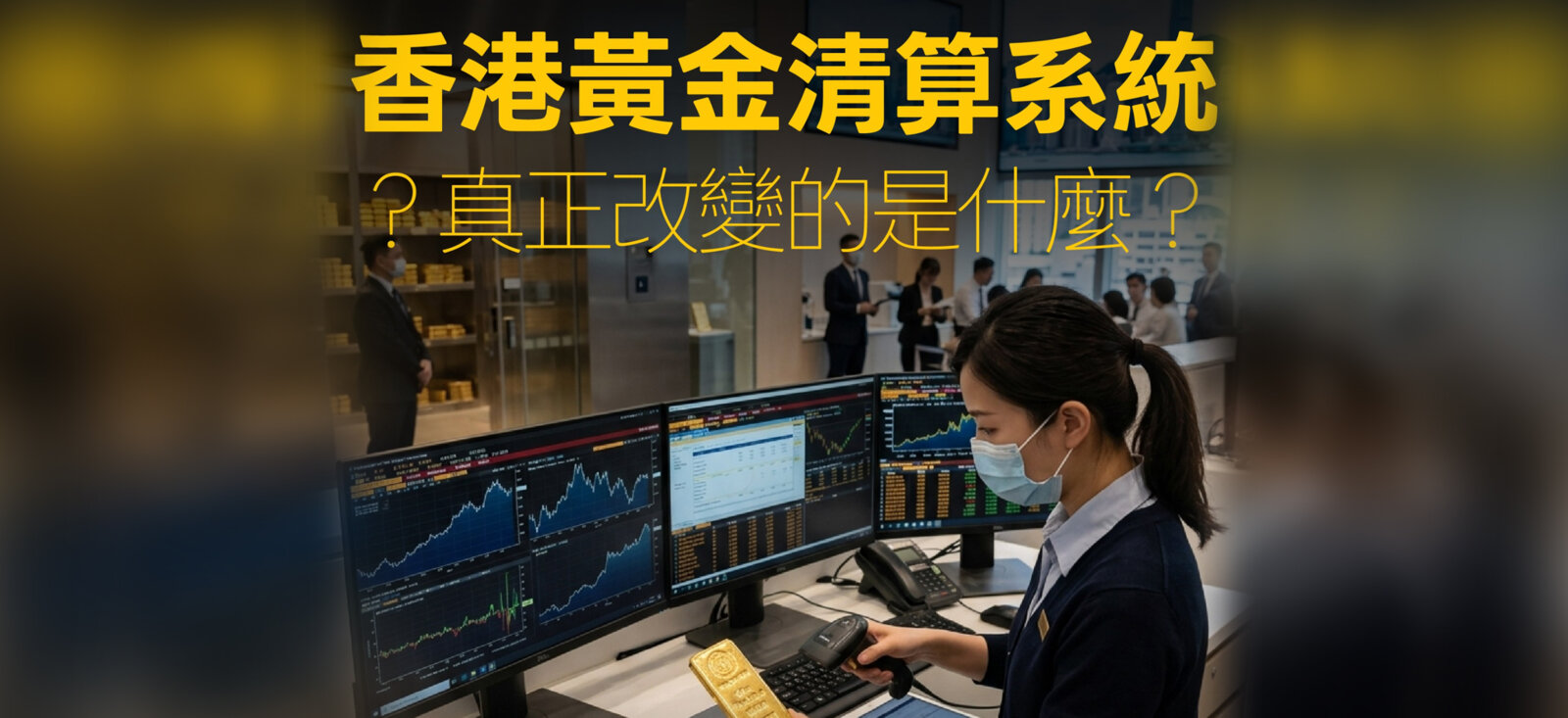
Hong Kong officially launched its gold central clearing and settlement system on July 7, introducing a new gold price benchmark code—HAU—on Bloomberg and LSEG terminals. At the same time, Hong Kong has initiated the first phase of "physical connectivity" with the Shanghai Gold Exchange, integrating warehousing, delivery, futures products, and future RMB-denominated instruments to build a more comprehensive gold trading ecosystem. On the surface, it's just a new system and a new code name. But from the perspective of financial markets, it represents Hong Kong's effort to strengthen the foundational infrastructure of its gold market. What is a gold settlement system? Ordinary people usually focus only on the rise and fall of gold prices. But large markets place greater emphasis on what happens after trading: how funds are settled, how physical gold is delivered, and how risks are managed. These invisible processes form the market's backend. Without a reliable backend, it becomes difficult to attract genuine large-scale capital. Why is central clearing key to attracting large capital? In traditional over-the-counter gold trading, transactions often rely on the mutual creditworthiness of buyers and sellers. If one party fails to deliver, the other may suffer losses—this is known as counterparty risk. The role of central clearing is to shift risk, originally dispersed between trading parties, into a centralized management system through a central counterparty mechanism. Previously, you had to trust your counterparty; now, you only need to trust the clearing system. This is crucial for banks, funds, commodity traders, and major Wall Street institutions (such as JPMorgan Chase and UBS, which have already entered). For large investors, the biggest concern isn't market volatility—it's the lack of settlement assurance. Pricing Influence The global gold market has long been dominated by London and New York. London excels in over-the-counter spot trading, while New York leads in futures trading. Although Asia has substantial physical demand—particularly from China and India—its influence on global gold pricing has remained relatively limited. This time, Hong Kong's introduction of the gold central clearing system, HAU price code, and physical connectivity with the Shanghai Gold Exchange is not merely about adding another trading platform. The key goal is to integrate over-the-counter trading, physical warehousing, delivery arrangements, clearing mechanisms, and price references into a cohesive framework. When a market has its own trading code, clearing system, and physical delivery and storage infrastructure, institutional investors can more easily participate, enabling liquidity to build up over time. There is settlement, then trust; there is trust, then liquidity; there is liquidity, then pricing influence. What implications does this have for investors? In the short term, the launch of a central clearing system is unlikely to directly cause significant spikes or drops in international gold prices. Short-term gold movements will still be primarily influenced by the U.S. dollar, U.S. Treasury yields, real interest rates, central bank gold purchases, and geopolitical factors. However, in the long run, as Hong Kong's gold warehousing, clearing, delivery, and futures products gradually mature, liquidity in the Asian trading session could improve. This could impact three aspects: First, trading activity during the Asian session. Second, the physical gold premium structure—price correlations between Hong Kong, Shanghai, and international spot gold may become more transparent. Third, the intraday volatility patterns of XAUUSD; as liquidity in the Asian session increases, gold prices may no longer wait solely for European and U.S. sessions to determine their direction.

2026-07-02
Recently, the new Federal Reserve chair, Wash, proposed a significant shift: markets should no longer expect the central bank to "preemptively provide answers" every time. He advocates reducing forward guidance and allowing interest rate decisions to be more driven by actual economic data rather than prior signals from the central bank. This has also prompted renewed discussion in the market about an important concept: forward guidance. What is forward guidance? It refers to a central bank's communication to the market about its future policy direction. For example, the central bank might imply: * Inflation remains high, so interest rates may stay elevated for an extended period * The economy is weakening, leaving room for potential rate cuts in the future * Policy adjustments could be made if certain data conditions are met These statements are not necessarily commitments, but rather a method of "managing expectations." Why does the central bank provide forward guidance? Because what financial markets fear most is not necessarily interest rate hikes or cuts, but uncertainty about the central bank's next move. Without any hints from the central bank, each interest rate decision becomes a guessing game, leading to sharp and volatile market fluctuations. The purpose of forward guidance is to reduce market uncertainty and help investors, banks, and businesses prepare mentally. For example, whether a company should borrow to expand, how banks set loan interest rates, and how investors allocate assets are all influenced by interest rate expectations. Why does the market become more volatile when forward guidance is reduced? Because when central banks speak less, the market loses its "reference answer." Previously, investors could gradually adjust their expectations based on the tone of the central bank's communications. But if forward guidance is reduced, every inflation, employment, and retail sales data release could be amplified by the market. What impact does this have on gold? As forward guidance diminishes and market expectations for the interest rate path become less predictable, increased volatility in the dollar and U.S. Treasury yields could naturally affect gold as well. Therefore, in the future, we should not only wait for central bank signals but also pay close attention to every key data release.

2026-06-04
In recent years, Saudi Arabia has begun exploring more possibilities for non-dollar settlements. The one most concerned about this is never the oil companies, but rather the United States. Because over the past few decades, aside from America's economic strength, oil has actually played a crucial role in making the dollar the world's most important currency. The world needs oil: airplanes run on it, cargo ships rely on it, factories use it, and power generation depends on it. Oil is like the blood of the modern economy. For decades, the international oil market has primarily been priced and settled in U.S. dollars. The Origin of the Petrodollar After World War II, the Bretton Woods system established the dollar's central role in the global monetary system. At that time, the U.S. dollar was pegged to gold, and other major currencies were pegged to the dollar. In other words, even before the emergence of the petrodollar, the dollar had already become the core currency of the global financial system. By the 1970s, the U.S. dollar was decoupled from gold, causing significant turmoil in the global monetary system. In 1974, the United States reached a key agreement with Saudi Arabia: Saudi Arabia agreed to price its oil exclusively in U.S. dollars, while the U.S. promised military protection and security guarantees. This arrangement, later known as the "petrodollar deal," was subsequently followed by other OPEC member countries. The energy crisis triggered a sharp rise in oil prices, further embedding the dollar-denominated oil system into global trade. Thus, more accurately, it was not oil that created the dollar's dominance, but rather oil that further solidified it. Why not buy oil in one's own currency? In theory, it's certainly possible—China could use the yuan, Japan the yen, and Europe the euro. But the reason the U.S. dollar has remained the dominant currency in the oil market for so long is not merely due to convenience; rather, it stems from several interrelated factors: • The dollar itself is already a major global reserve currency • U.S. financial markets are large and deep, providing high dollar liquidity • Oil-exporting countries have long priced their oil in dollars, naturally sustaining this system If each country used its own currency to buy and sell oil, buyers and sellers would constantly need to exchange different currencies, resulting in higher transaction costs and more complex settlement processes. In contrast, using a single common currency makes transactions more convenient and increases liquidity. Over time, the U.S. dollar has become the most widely used settlement currency in global energy markets. Whether in China, Japan, Europe, or other countries, anyone wishing to purchase oil must prepare in U.S. dollars. Over time, central banks, financial institutions, and corporations have come to hold substantial amounts of dollars on a long-term basis. This demand has become a key pillar supporting the dollar's dominant position. What truly began to change the world was this: After the outbreak of the Russia-Ukraine conflict in 2022, Western countries froze over $3 trillion in Russia's foreign exchange reserves. This event sent shockwaves through many nations worldwide. For the first time, people realized that foreign reserves are not just assets—they can also carry geopolitical risks. Previously, convenience had been the top priority. But from then on, some countries started placing greater emphasis on security. Are oil-producing countries gaining more options? Another significant shift is emerging from the energy market itself. With the shale oil revolution, the United States has become one of the world's leading oil producers, greatly reducing its reliance on Middle Eastern oil. Meanwhile, Asian countries such as China and India are gradually becoming key customers for oil-exporting nations like Saudi Arabia. As the structure of their largest clients begins to change, oil-producing countries naturally consider more diversified settlement methods. In fact, some crude oil transactions between Saudi Arabia and China were already settled in renminbi in 2023. Although the volume remains small, this development itself carries symbolic significance. In recent years, discussions about renminbi settlements, local-currency trade, and cross-border digital payments have grown increasingly common. This does not mean the dollar is about to be replaced, but it does indicate that the global community is beginning to seriously explore alternatives beyond the U.S. dollar. What does this have to do with gold? This also explains why central banks have been continuously buying gold in recent years. If a country is concerned about overreliance on a particular currency, it may not immediately sell its dollar assets, but typically takes one step first: increasing its gold reserves. The reason is that gold belongs to no country, depends on no bank, and requires no government promise of redemption. For central banks, gold is more like an insurance policy. Therefore, even as gold prices have repeatedly hit new highs in recent years, global central banks have continued to accumulate gold. What they are buying is not necessarily the short-term opportunity for price gains, but rather a sense of asset security. What does this mean for ordinary investors? The U.S. dollar remains the world's most important currency and is unlikely to be replaced in the short term. However, as more countries begin exploring non-dollar settlements and increasing their gold reserves, this reflects not an imminent collapse of the dollar, but a growing multipolarity in the global financial system. When even central banks are hedging against "currency risk," should individual investors also consider whether their asset allocations are sufficiently diversified? Gold might be one option worth seriously considering.

2026-05-28
The market has recently renewed its focus on an important concept: the real interest rate. Real interest rate = Nominal interest rate − Inflation rate On the surface, U.S. interest rates remain relatively high, but when inflation is factored out, short-term real interest rates are actually close to zero. This means that while holding short-term dollar assets still yields nominal returns, after accounting for rising prices, the actual purchasing power may not increase significantly. However, looking at 10-year TIPS, long-term real interest rates still stand at around 2% or higher. Therefore, more accurately speaking, the current situation in the U.S. is one of near-zero short-term real interest rates, while long-term real rates remain positive. This shift will remind the market of the era of negative real interest rates: Historically, whenever real interest rates remain low for extended periods or even turn negative, several market changes typically occur. First, the appeal of holding cash diminishes. When interest rates fall below inflation, even though cash and bonds may appear to offer returns, their actual value fails to keep pace with rising prices. Second, capital will chase assets. Stocks, real estate, commodities, and gold may all benefit as capital seeks preservation of value and returns. A common phenomenon is that assets become more expensive. Third, the appeal of gold will rise. The market values gold as a store of value. What signals is the U.S. currently sending to the market? Currently, the U.S. is using short-term policy rates minus CPI, meaning the short-term real interest rate has already approached zero or even slightly turned negative. However, looking at 10-year TIPS, the long-term real interest rate remains above 2%, indicating that long-term dollar assets still offer a certain real return. The current situation is one of a tug-of-war: On one hand, inflation remains relatively high, suppressing short-term real returns and prompting investors to recall gold's role as a store of value. On the other hand, long-term real interest rates remain elevated, meaning U.S. Treasuries still offer positive real returns, putting pressure on gold due to its lack of income generation. This explains why gold sometimes appears to "fail to rise despite favorable fundamentals." The market is not focused solely on inflation or interest rates alone, but rather assessing whether the demand for inflation protection can outweigh the appeal of higher real yields. Investment Insight: Negative real interest rates can support gold, but they are not the only factor. Gold prices have never been determined by just one reason. It is simultaneously influenced by factors such as real interest rates, the dollar's movement, inflation expectations, geopolitical risks, central bank gold purchases, and capital flows. Don't base your direction on a single data point, but rather examine multiple factors to determine which force is driving the market.
2026-05-21
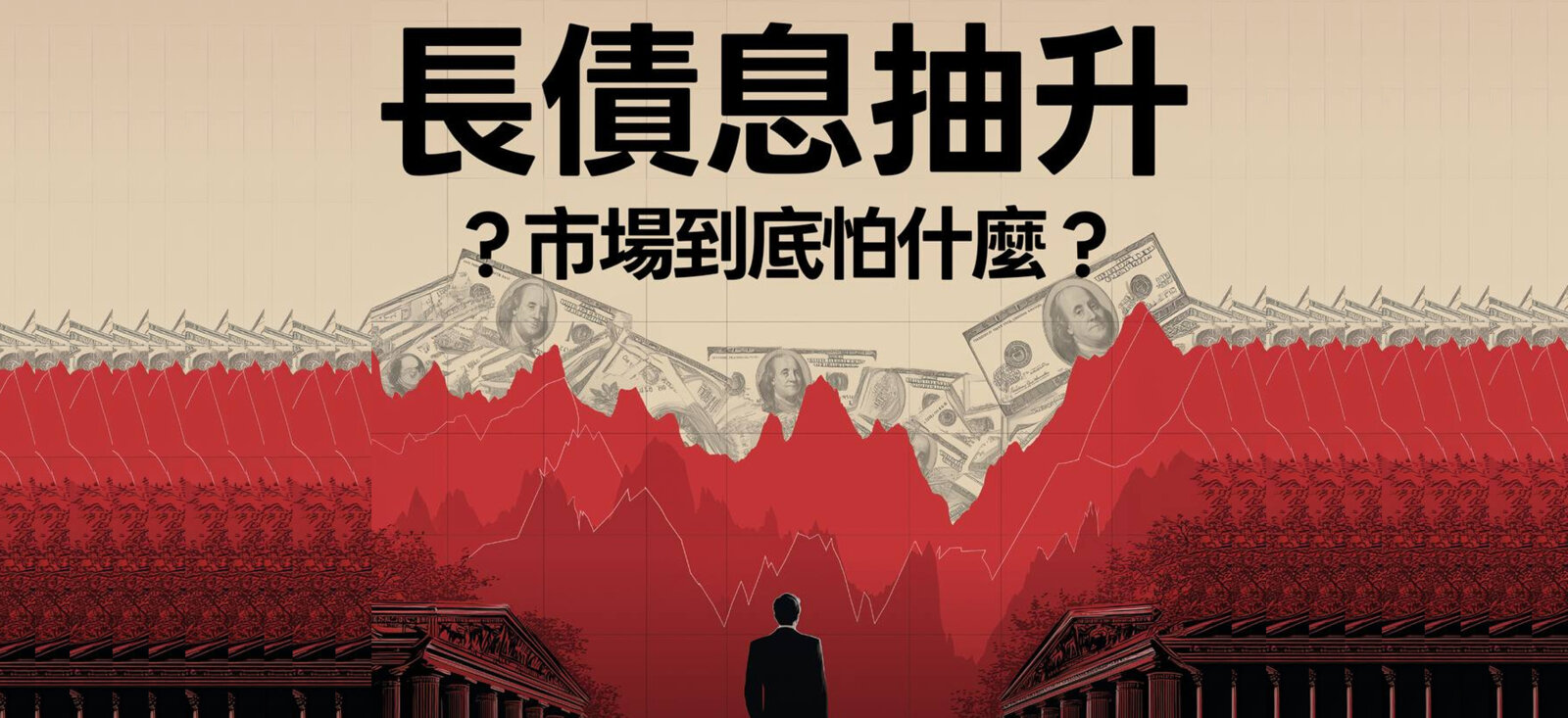
Recently, U.S. long-term bond yields have risen again. The yield on 30-year U.S. Treasury bonds climbed to around 5.18%, the highest level since July 2007; the 10-year Treasury yield also rose to near 4.67%, reaching its highest level since January 2025. Many people think bond yields are only related to the bond market. But in fact, long-term bond yields reflect the market's view on future funding costs. The market is beginning to worry: money in the future might remain expensive for a long time. That's why the market is becoming anxious. What's the difference between short-term and long-term bond yields? Short-term bond yields, such as those on 3-month, 1-year, or even 2-year U.S. Treasury notes, are more influenced by central bank policy. Markets use them to gauge whether the Federal Reserve will cut interest rates in the future or if rates will remain high. Long-term bond yields, such as those on 10-year and 30-year U.S. Treasury securities, reflect a more complex picture. They do not merely indicate current interest rates, but rather capture the market's expectations regarding future inflation, economic outlook, government debt, and funding needs. What's the problem with high long-term bond yields? First, government debt becomes more expensive. The U.S. government has long relied on issuing bonds to finance its operations. When long-term bond yields rise, it means the government will have to pay higher interest rates when borrowing in the future. If the debt level is already high, and interest costs increase further, fiscal pressure will naturally grow. Second, corporate financing has become more expensive. Companies often need to borrow money when setting up factories, purchasing equipment, conducting research and development, or acquiring other businesses. As borrowing costs rise, many investment plans must be reevaluated. Projects that were once worthwhile may no longer be profitable. Third, asset valuations need to be recalculated. When safer assets offer higher returns, investors will naturally demand more attractive returns from other assets such as stocks, real estate, and gold. In terms of stocks, highly valued companies tend to be more sensitive. This is because when funding costs rise, the market's patience for "future stories" diminishes. In the past, when interest rates were low, the market was willing to pay high prices for future earnings. But as bond yields rise, the market becomes more focused on whether a company is actually making money today. Gold is also affected. Although gold serves as a safe-haven asset, it itself does not generate interest. When long-term bond yields are low, the opportunity cost of holding gold is not high. But when long-term bond yields rise, investors tend to compare If safe-haven demand is strong enough, gold prices can rise. However, if bond yields and the dollar strengthen simultaneously, gold is likely to face pressure. The key is: Is the demand for safe-haven assets greater, or is the pressure from high interest rates greater? With long-term bond yields rising, the market is beginning to wonder: will the low-interest era return as quickly as expected? When such thoughts emerge, government debt servicing, corporate financing, stock valuations, and gold prices all need to be reassessed.

2026-04-30
In the investment market, many individual investors tend to act only after reading the news. However, major funds usually do not focus on news but rather on the flow of capital and changes at the very top of the industrial chain. This is because news typically reflects events that have already occurred, while capital deployment is often about the future. According to the latest fund flow data as of April 2026, a notable phenomenon has emerged in the market recently: apart from the technology sector continuing to attract capital, some funds have also started to flow into energy, metal and mining, as well as gold-related ETFs. This change is worth a closer look. Physical assets are once again receiving attention. Over the past two years, market focus has been on AI, technology stocks and high-growth concepts. But as we enter 2026, the market is beginning to rethink another matter: inflation has not completely dissipated, global supply chains still carry risks, and countries are promoting the return of infrastructure and manufacturing. Under such circumstances, the real beneficiaries might be the most basic raw materials. For example: Copper: A large amount is needed in power grids, electric vehicles and data centers. Aluminum: Demand in manufacturing, aviation and packaging remains stable. Energy: The global economy cannot operate without energy supply. When funds flow into these sectors, it indicates that the market is beginning to shift from chasing concepts to valuing the intrinsic worth of assets. The demand for gold allocation still exists. When the market is still confronted with uncertainties such as interest rate fluctuations, geopolitical risks, and the decline in currency purchasing power, gold remains an important component in asset allocation. Even if there are short-term adjustments, some funds will view it as an opportunity to redeploy. What does this represent? When funds shift from solely chasing popular technology stocks to diversifying into physical assets such as metals, energy, and gold, it typically indicates that the market is beginning to prepare for the following scenarios: - Inflation may be more persistent than expected - Valuations of technology stocks are starting to look high - Global supply risks remain unresolved - Investors are placing greater emphasis on defensive and balanced portfolios In other words, the market is gradually transitioning from an offensive mode to incorporating a defensive one. Investment Insights: What truly deserves attention is not necessarily what the news headlines say, but what the funds are doing. While the general public is still debating which theme is the hottest, professional funds often quietly purchase assets that may benefit from the next round. Learning to observe the flow of funds sometimes allows one to see the market direction earlier than chasing the news.

2026-04-23
Recently, everyone's focus has been on whether the Federal Reserve will keep the interest rate at 3.75% at its meeting next Wednesday. When hearing "no rate cut", many people's first reaction is negative: higher borrowing costs, possible pressure on the stock market, and slower economic growth. But as an investor, what you should pay more attention to is the real interest rate. The real interest rate = the nominal interest rate - the inflation rate. For instance, if the bank interest rate is 3.75%, but prices rise by 5% each year, your actual return is actually: -1.25% In other words, although the account balance may seem to have interest income, your purchasing power is actually declining. This also explains why many people in recent years have felt that despite having a job and income, life is still getting more and more difficult. Because what is truly eroded is not the deposit figure, but the value of the money in your hand. Why does maintaining high interest rates have a protective effect instead? Kevin Warsh, the popular candidate for the chair, demonstrated an extremely tough stance at the hearing. If the Federal Reserve continues to take a hawkish stance in the future, the core idea behind it is actually very clear: price stability is more important than short-term market comfort. ① Guard your purchasing power If interest rates are cut too early, market funds may become overly loose again, causing demand to rise and pushing up: rents, food prices, service costs, and asset prices On the surface, the amount in your account may not change, but in reality, you can buy less with it. The purpose of high interest rates is to reduce overheated demand and bring inflation back under control. ② Avoiding the Uncontrolled Expansion of Asset Bubbles Looking back at the era of ultra-low interest rates, when the cost of capital was extremely low, a large amount of funds flowed into the stock market, real estate market, and high-risk assets. The result was often that prices rose too fast, detaching from the fundamentals. Although maintaining a relatively high interest rate may cause discomfort in the market in the short term, it can curb excessive speculation and prevent paying a higher price when the bubble bursts in the future. ③ Establishing Confidence in the Monetary System If the central bank rushes to cut interest rates every time there is market volatility, investors will start to wonder: Is the currency being continuously devalued? The role of the central bank is not just to rescue the market, but more importantly, to maintain the credibility of the currency. Only when the market believes that the currency is still under control will the entire financial system be stable. The "Wash Era" has arrived. How will gold fare? When central banks need to maintain high interest rates for a long time to suppress inflation, it reflects one thing: the purchasing power of money is facing challenges. In an era of unstable geopolitics and sticky inflation, the value of gold is not just that of a commodity. It is an asset that does not rely on any government's promise. Gold does not pay interest, but its greatest role often emerges when the value of currency is in doubt.

2026-04-09
When news of a "ceasefire" emerged from the Middle East, people originally thought that the war would cool down → risks would decline → gold prices would fall. But the result was the opposite - instead of falling, gold prices actually rebounded. Why is this so? The first layer: The negative news has been fully priced in, and funds start to flow back In fact, before the ceasefire news, the market had already digested the risks brought by the war. When the worst-case scenario did not deteriorate further but instead showed signs of cooling down, a situation would occur in the market: all the negative news had been fully priced in. In other words, what was supposed to fall might have already fallen. When uncertainty decreases, some funds start to re-enter the market, pushing prices up. Second layer: Falling oil prices change interest rate expectations As soon as the ceasefire news came out, oil prices immediately dropped. A fall in oil prices indicates that inflationary pressure may ease. When the market expects inflation to fall, it will further deduce: The Federal Reserve may not need to maintain high interest rates for a long time. Expectations of interest rate cuts may come earlier. Gold is highly sensitive to interest rates. When expectations of interest rates decline, the opportunity cost of holding gold decreases, which is naturally beneficial to the gold price. The third layer: Weakening of the US dollar (dollar-denominated effect) Another key factor is the movement of the US dollar. When the market expects interest rates to possibly decline, the US dollar tends to weaken. And gold is an asset denominated in US dollars: The weakening of the US dollar → a relative rise in gold prices Even without obvious safe-haven demand, the change in exchange rates alone is sufficient to drive up gold prices. The fourth layer: The market does not focus on "events", but on "expectations". The market does not directly react to events but prices in expectations of the future. On the surface, it's a "ceasefire", but what the market is truly trading on is: → Will interest rates fall in the future? → Will the US dollar weaken? → Will inflation ease? When these expectations change, the flow of funds will naturally change as well. The market never reacts to events themselves, but rather to the expectations behind them.
2026-03-26
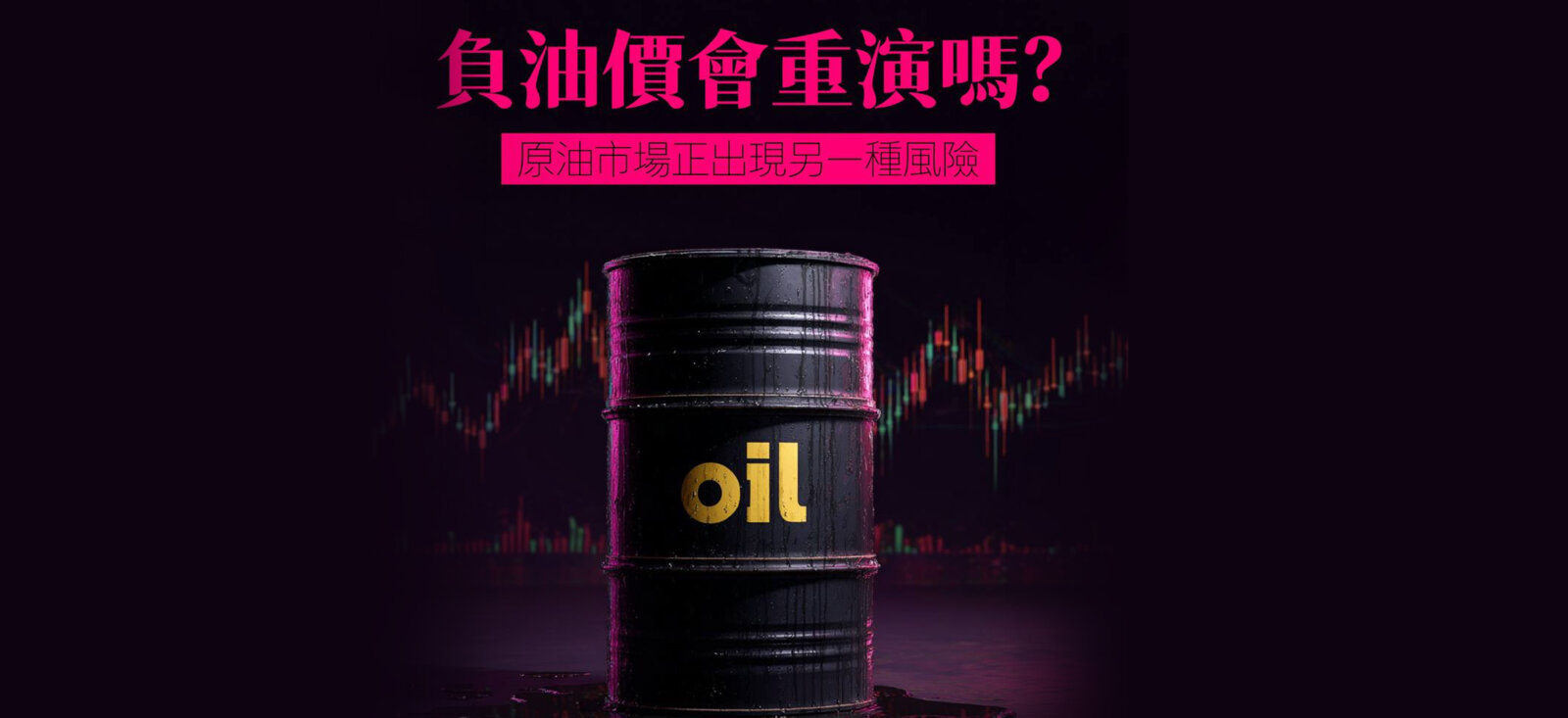
In April 2020, we witnessed history: the New York WTI crude oil futures once dropped to a "negative" value. At that time, the situation was that the pandemic led to a sharp decline in demand, there was so much oil that there was no place to store it, and people were forced to pay to have the goods taken away. But today in 2026, the market is brewing a completely different kind of risk, "an extreme deviation between price and reality". 2020 vs 2026: Completely Different Scripts 2020 "Negative Oil Prices": Core issue: Demand vanished, inventories saturated, and no one was willing to take delivery. Result: Prices collapsed to negative territory. Current Risk in 2026: Core issue: Stable physical demand (especially in the Asian market), but futures prices are depressed due to policy and financial capital influence. Result: A significant "disconnection" occurs between spot and futures prices. Why is it more dangerous when "prices are depressed"? Currently, the market has noticed that the position size of some futures contracts that are about to expire is extremely large. Under normal circumstances, investors would choose to "roll over", that is, sell the old contract and buy a new one, rather than make physical delivery. But now a key variable has emerged: If the futures price is artificially depressed by financial factors, far below the true spot value, the buyer will tend to choose "physical delivery" to lock in low-priced resources. When a large number of buyers no longer play the digital game but demand "to take the real oil away": 1. The delivery system will face tremendous pressure. 2. Inventory and logistics may instantly collapse. 3. The ultimate outcome: The price may not continue to fall but instead may experience a "violent" return to fundamentals in a short period of time. When the figures in the financial market (futures) fail to reflect the real-world demand (spot), the market will eventually be forced to reprice. And this "calibration" process is usually accompanied by extremely high uncertainty and sharp fluctuations.

2026-03-19
Recently, a notable change has emerged in the market. Visa has started to use stablecoins for settlement. This is not an encrypted company but one of the most mature payment systems in the world. Since the current system is already functioning well, why do we still need stablecoins? 1. Card swiping is immediate, but settlement may not be. When we make a payment with a credit card, the transaction seems to be completed instantly. But in reality, it is divided into two parts: • Transaction confirmation (immediate) • Fund settlement (delayed) It usually takes 1 to 3 days for merchants to actually receive the funds. This process involves multiple intermediary systems, which makes it time-consuming and costly. Second, the role of stablecoins is to enhance efficiency. A stablecoin is a digital asset pegged to a fiat currency, for example: 1 stablecoin ≈ 1 US dollar. Traditional settlement: Bank system → Multiple intermediaries → Takes several days to complete Stablecoin settlement: Blockchain → Direct transfer → Completed in a short time In simple terms: funds can flow more quickly and reduce intermediate costs. Why even Visa is needed? The key lies in efficiency. If there is a technology that can achieve: • Faster • Lower cost • Simpler process Even market leaders need to keep up. Otherwise, they may be replaced by more efficient systems. Therefore, Visa is not changing its business, but enhancing its existing system. Four. When we use a card for payment now, are we actually using stablecoins? No. When we make daily card transactions, we still use Hong Kong dollars or the credit card limit. Stablecoins do not appear on the front end but are used in the settlement processes between banks. What you use remains the same, but what has changed is the way funds flow behind the scenes. V. What Does This Represent in Terms of Transformation? In the past, the crypto world and traditional finance were two separate systems. But now, a convergence is beginning to take place: traditional financial institutions are starting to adopt blockchain technology. And stablecoins are precisely the tool that connects the two. When large financial institutions start to adopt new technologies, it indicates that these technologies have gradually matured. Future technologies may not necessarily replace old systems, but they will drive the entire system forward.

2026-03-12
Recently, a rather odd question has emerged in the tech circle: "Have you got a lobster?" Here, the "lobster" refers to a new AI tool. As its logo is a red lobster, many people simply call it "AI Lobster". But what really caught the market's attention was not the lobster itself, but a much larger concept - AI Agent (Artificial Intelligence Agent). AI is evolving from a "tool" to an "employee". In the past few years, most people's exposure to AI has been through chat-type AI. You ask a question, and it provides an answer. For example: writing articles, organizing materials, translating content, and creating images. But the concept of an AI Agent goes even further. It doesn't just answer questions; it can complete entire tasks for you. For instance, it can help you search for information, organize emails, book trips, and even operate your computer to complete some work processes. What would happen to a company if AI became an employee? From a financial perspective, if AI can perform some tasks for humans at a very low cost, the way a company operates might change significantly. An AI assistant may only require a very low monthly fee, but it can handle a large amount of repetitive work. For enterprises, this represents: • Increased efficiency • Reduced costs • Automated workflow Therefore, many people believe that AI agent technology may bring about a new productivity revolution. Just as the steam engine, electricity and the Internet once changed the world, perhaps in the future, everyone will have an AI assistant, just as everyone has a mobile phone now. And this change may be gradually beginning.

2026-03-05
Whenever geopolitical conflicts heat up, a phenomenon often occurs in the market: global funds flow into US dollar assets, but the price of gold does not necessarily rise in tandem. In fact, this phenomenon reflects the core position of the US dollar in the global financial system. One, global transactions rely heavily on the US dollar. At present, many international trade and financial transactions are denominated in US dollars, such as: - Oil and energy trading - Commodity markets - Bonds issued by multinational enterprises and governments Therefore, the US dollar is not only the currency of the United States but also an important foundation of the global financial system. II. Increased Global Demand for the US Dollar during Crises When the market experiences turbulence, the status of the US dollar becomes even more prominent. Investors tend to reduce their holdings of high-risk assets and instead opt for more liquid assets, such as the US dollar and US Treasury bonds. At the same time, a large number of enterprises and financial institutions around the world also hold debts denominated in US dollars. When market pressure rises, these institutions need to obtain US dollars to repay debts or maintain liquidity, thus the demand for the US dollar often increases. This phenomenon has occurred many times in the past. For instance, at the beginning of the 2020 pandemic, the global financial market witnessed a "dollar shortage", with a large amount of capital flowing into dollar assets. The US Federal Reserve even had to establish a dollar swap mechanism with multiple central banks to ease the market's demand for dollar liquidity. III. The Safe-Haven Roles of Gold and the US Dollar Differ When geopolitical risks rise, gold is also often regarded as a safe-haven asset, so the market will from time to time witness a rise in the price of gold. However, the roles of gold and the US dollar in the financial system are not exactly the same. Gold is mainly regarded as a store of value, while the US dollar serves as both a global trade settlement currency and an important source of liquidity in the financial system. Therefore, during market turmoil, although both gold and the US dollar are safe-haven assets, the flow of funds may not be completely consistent. This also explains why during some periods of geopolitical conflicts, the US dollar strengthens while the price of gold does not necessarily rise simultaneously.


