
 en-US
en-US 

 Telegram
 WeChat


2026-02-19
Every Lunar New Year, many people receive an extra income - red envelopes. However, compared to monthly salaries, people tend to be more casual when using red envelopes and are more likely to spend them. On the contrary, if the expenditure comes from the salary, even if the amount is the same, people will be more cautious when making decisions. Why does the way money is used vary depending on its source, even if it is the same amount? The brain creates different categories for funds. In behavioral finance, there is an important concept known as mental accounting. People tend to view income from different sources as funds of different natures and manage them separately. For example: - Salary → Daily expenses - Investment income → Reward-based consumption - Year-end bonus → Travel or large expenditures - Red envelopes → Extra income However, from a financial perspective, the value of each unit of money is actually the same. The difference lies in that the brain assigns different uses to it based on its source. II. The Impact of Mental Accounting on Investment Decisions - Be willing to take on higher risks with bonus funds. - Tend to increase position size when reinvesting investment profits. - Have a relatively lenient stop-loss standard for non-principal funds. The reason is that investors often consider this portion of funds "not the original investment". When risk tolerance is based on the classification of funds rather than the overall asset situation, the risk level may be underestimated. III. How to Reduce the Impact of Mental Accounting? All income, including salaries, red envelopes, bonuses and investment returns, should be integrated into the overall capital allocation. Then, they should be allocated to different uses according to the predetermined proportion, rather than determining the degree of risk they can bear based on the source of funds. The difference between bonuses and salaries does not stem from the money itself, but from the psychological categorization that the brain makes for different sources of income. However, the market does not distinguish between sources of funds. Every risk taken comes from the same overall asset base. Therefore, establishing a consistent approach to fund management is more important than differentiating between sources of funds.
2026-02-05
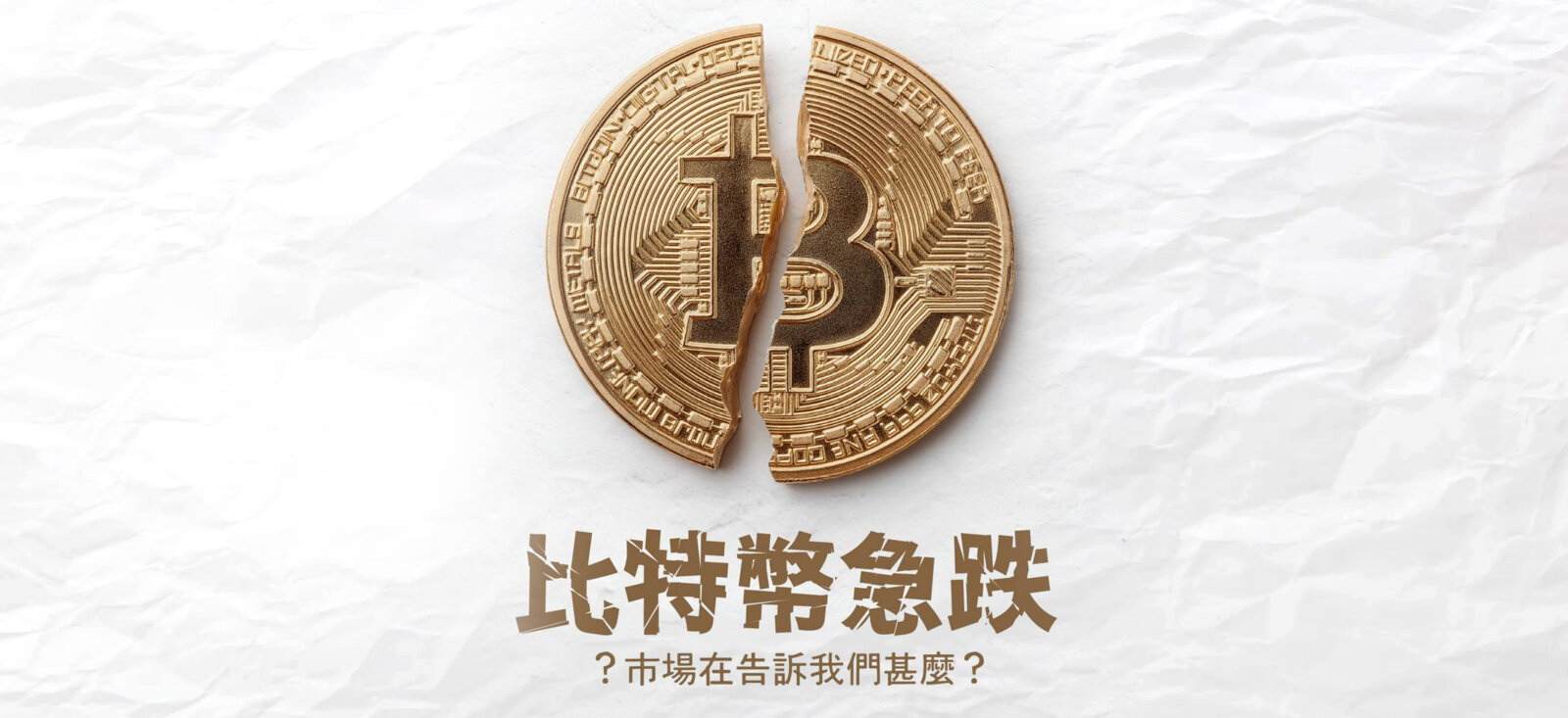
Recently, Bitcoin has fallen below the $72,000 mark, hitting a new low in over a year. The market is rife with talk of "panic" and "crisis of faith". But is this the reality or is the market merely redefining Bitcoin's role? I. Is Bitcoin Still a "Safe-Haven Asset"? In the past few years, Bitcoin has been described as "digital gold", emphasizing its anti-inflation and hedging against systemic risks. However, from the recent market trends, it is evident that there has been a significant change in the actual behavior of the market. Data shows that the correlation between Bitcoin and the US stock market (especially the S&P 500 Index) has significantly increased, once approaching 0.5. Simply put, when the stock market drops, Bitcoin often falls along with it. What is more worth noting is that while gold and silver have reached new highs amid rising geopolitical risks, Bitcoin has continued to come under pressure. This reflects that the market currently views Bitcoin more as a high-volatility risk asset rather than a true safe-haven tool. II. Enterprises and ETFs Are Amplifying Market Volatility Another factor that is easily overlooked is who is holding Bitcoin. At present, nearly 200 listed companies hold Bitcoin. These holdings need to be accounted for "at market value". When the price rises, these Bitcoins appear as assets; but when the price drops significantly, they will directly become a burden on the financial reports. Imagine a situation: If Bitcoin drops another 10%, the balance sheets of some enterprises might immediately deteriorate, and the risk management departments would naturally demand a reduction in holdings. Such selling would no longer be driven by retail sentiment but rather institutional selling pressure. As for the Bitcoin ETF, it was originally intended to bring in more long-term funds. However, when the market weakened, it also became an outlet for funds to flow out rapidly, instead intensifying short-term volatility. Three, what truly drove the decline was leverage and derivatives. From the perspective of market structure, the most destructive force behind this decline is not the spot selling pressure, but rather the chain reaction in the derivatives market. After the price broke through the key level, a large number of highly leveraged positions were forcibly closed. The clearing mechanism of the exchange would directly execute at the market price, causing the price to be further depressed and creating a chain reaction of continuous decline. This trend has a characteristic: It can occur on its own without any new bad news. As long as the market positions are overly concentrated, the adjustment will come naturally. IV. Does this mean that "faith is dead"? Not necessarily. But it is certain that the market's view of Bitcoin is changing. When an asset is traded as a risky asset, its price is more influenced by liquidity and market sentiment rather than being propped up solely by concepts or stories. Rather than being a "collapse of faith", it is more of a correction to overly optimistic narratives. What is most worth noting about the current decline in Bitcoin is not the short-term price it will fall to, but whether the market has completed a transformation - from being expected to be a safe-haven asset to having to bear the volatility of a risky asset. When the roles change, the price behavior will naturally be rewritten.
2026-01-23
Entering 2026, gold remains one of the core assets that the market closely follows. How is the market viewing gold? Because the transformation of gold's role often reflects the overall market condition more accurately than its price itself. Gold is no longer confined to a single context. In the past, gold was often regarded as an asset in certain specific circumstances, such as when inflation was on the rise or a crisis emerged. However, in recent years, gold has simultaneously featured in various market narratives. Against the backdrop of slowing growth, policy uncertainty and increased asset volatility, gold is regarded not only as a safe-haven asset but also as a long-term investment option. The emergence of this "multi-role" status indicates that the market no longer associates gold with a single narrative. Second, the presence of gold has risen in tandem with uncertainty. It is worth noting that the market's focus on gold may not stem from explicit bad news, but rather from a sense of uncertainty about the future's lack of clear contours. When policy directions fluctuate and economic signals are scattered, the market tends to retain a portion of assets as a buffer. In such circumstances, gold is regarded as a "waiting asset", not necessarily for immediate returns, but to preserve options. III. The thinking behind gold demand is changing. In 2026, demand related to gold gradually shifted from short-term trading to structural allocation. This does not mean that the market is unanimously optimistic about the gold price, but rather reflects that funds are more sensitive to the cost of mistakes. In an environment lacking a single consensus, the value of gold lies not only in its directional judgment but also in its ability to play a stabilizing role in different scenarios. Four. The price of gold is more like a thermometer of market sentiment. In the current environment, the price of gold no longer simply points to a single outcome, but rather reflects the market's tolerance for uncertainty. When the fluctuations in gold prices intensify or remain at a high level, rather than hastily interpreting it as either optimism or pessimism, it is better to understand that the market is still reserving space for multiple possibilities. Overall, what gold reflects in 2026 is not merely a judgment on the economic outlook, but rather the market's response approach in an uncertain environment. By observing how gold is utilized rather than just its price fluctuations, it helps to understand the deeper transformation taking place in the market.

2026-01-15
The spot price of silver once surpassed the 90-dollar mark, reaching a new high. This once again drew the attention of the market to a question: Who actually determines the price of silver? 1. The current price of silver has risen. What does this indicate? The current increase in the price of silver is the result of multiple factors coming together. Due to the relatively small scale and thin liquidity of the silver market, when demand and funds simultaneously pour in, the price reaction is often more rapid than that of gold. Therefore, "rising quickly" is already part of its market structure. II. How to interpret the situation where the price of silver has risen significantly? The price of silver is not solely determined by risk aversion or inflation. It has two identities: it is both a precious metal and an important industrial raw material. III. Industrial Applications of the Entity Silver is widely used in electronic product conductive components, semiconductor and chip packaging, solar panels, new energy equipment, as well as electric vehicles and data centers. The competition in artificial intelligence, semiconductor technology, and the trend towards electrification have indeed increased the medium- and long-term demand for silver. However, industrial demand is realized gradually. The market reflects expectations in advance rather than responding to immediate demands. IV. The Impact of Market Sentiment and Speculative Funds on Amplification Effects The short-term sharp rise in silver prices is often closely related to market sentiment. When speculative funds or ETFs flow in, the driving force for silver prices is often greater than that for gold, which also explains the more intense fluctuation pattern of silver prices. V. China's Export Restrictions and Supply-side Factors China has included silver in its export licensing management system and elevated it to the level of strategic materials, restricting the supply flow to entities. Market concerns over a tightening supply have driven up the spot premium, becoming one of the significant driving forces behind the rise in silver prices. Six. Why is silver more prone to a significant price surge compared to gold? * The market size is relatively small, and the inflow of funds has a greater impact on the price; * The supply mainly comes from by-products of other metals, and the output is difficult to increase rapidly; * At the same time, influenced by industrial expectations and market sentiment, the situation is rather complex. Understanding silver, The key is not to predict the next rise or fall, But to clearly see Which force is currently dominating the price.
2026-01-08
Whenever gold futures approach their expiration date, the market experiences what is known as a "roll-over", accompanied by a significant nominal amount. These figures can easily mislead one into thinking that there will be large-scale buying and selling in the market. In reality, the impact of futures roll-over on the gold market lies not in the direction of prices, but in the short-term operational level. I. Position transfer merely involves changing the contract. Gold futures have an expiration date, and investors cannot hold the same contract for a long time. Therefore, before the expiration date, most positions will sell the expiring contract and buy the next contract at the same time to maintain the original position. This process is called "rolling over". It should be noted that rollover does not mean that investors have changed their views on gold; it merely involves switching to a different contract month. Second, the increase in short-term fluctuations is a normal phenomenon. During periods when there is a concentrated transfer of positions, trading volume often rises and price fluctuations may also accelerate. Such fluctuations mainly result from technical operations rather than new market information or changes in demand. Therefore, short-term price fluctuations do not necessarily indicate a change in the market direction. Three, what has truly changed is the contract price spread. During the period of warehouse transfer, what is more worth paying attention to is not the gold price itself, but the price differences between different futures contracts. The changes in the price differences reflect factors such as time, holding costs and liquidity adjustments, rather than a sudden increase or decrease in gold demand. IV. Transferring storage does not equal a shift in market stance. Whether it is hedge funds, commercial hedgers, or structural adjustments of ETFs, rollovers are mostly routine operations. Therefore, the size of the rollover amount alone cannot be used to determine whether the market is bullish or bearish on gold. Overall, the impact of futures rollover on the gold market is mainly reflected in short-term rhythms and fluctuations, rather than the price direction or the essence of demand. Understanding the nature of rollover helps to avoid over-interpreting large "expiry/rollover" figures when they appear in the market.
2025-12-19
Gold prices performed extremely strongly in 2025, rising by approximately 60% throughout the year and setting new historical highs on multiple occasions. This round of upward momentum was not driven solely by short-term news but reflected a significant increase in market demand for safe-haven assets and asset allocation. The significance of the strengthening gold price is no longer merely a breakthrough at the price level, but rather a transformation in its role as an asset. The shift of market focus The World Gold Council pointed out that from a macro perspective, the market focus shifted significantly in 2025. Investors no longer solely concentrated on inflation and interest rate hikes but gradually turned their attention to the uncertainties brought about by economic growth slowdown, geopolitical instability, and policy reversals. In this environment, gold was once again regarded as an asset capable of bearing risks rather than merely a trading tool. Structural support: Investment and central bank demand are the main forces. The forces driving up the gold price exhibit structural characteristics. Investment demand continues to increase. Central banks' continuous gold purchases have become an important support. Demand for gold in jewelry and industry is not dominant. This reflects that the role of gold is gradually shifting from a consumer good to an asset allocation tool, and its price performance is more dependent on capital allocation rather than physical consumption. Price Imagination in 2026 Entering 2026, many market analysis institutions have begun to put forward relatively aggressive price assumptions. Some opinions suggest that under the circumstances of persistent safe-haven demand and high macroeconomic uncertainty, the gold price may have the opportunity to challenge the range of $4,000 to $5,000 per ounce. Such predictions reflect the market's imagination of an extreme risk environment rather than a definite judgment on the future. The stance of the World Gold Council It is worth noting that the World Gold Council did not set any specific price targets for gold in its 2026 outlook. The Council deliberately refrained from defining the future trend in terms of price and instead adopted a scenario analysis approach to illustrate the potential changes in gold demand under different macroeconomic conditions. Propose three main scenarios. Moderate economic slowdown: Monetary policy shifts to easing, gold demand remains relatively stable Rising risk aversion: Economic slowdown exceeds expectations, gold demand increases significantly Economy regains momentum: Real interest rates rise, gold's appeal may be dampened These scenarios are not predictions but are used to illustrate the potential roles of gold in different environments. Overall, the World Gold Council focuses on scenarios rather than prices to illustrate the value of gold as an asset in uncertain environments.
2025-12-11
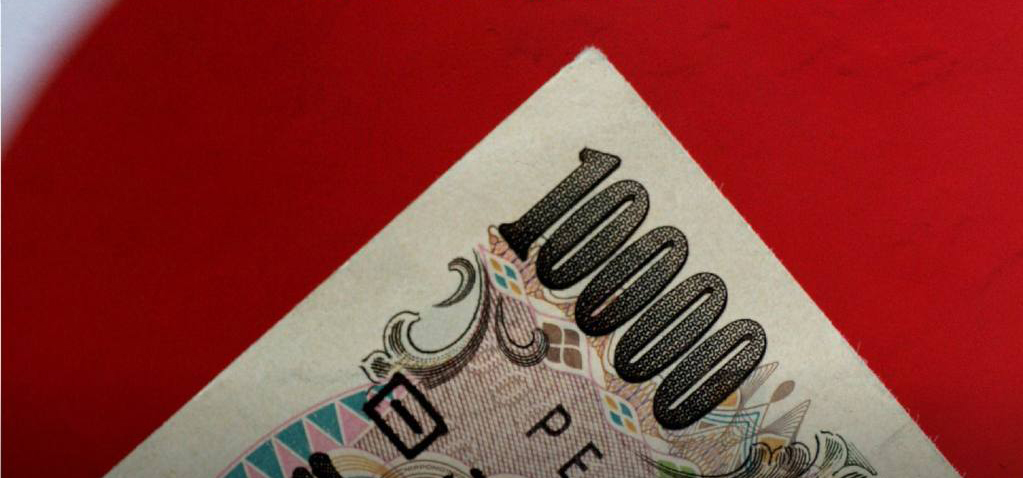
The yield on Japan's 10-year government bonds recently hit a multi-year high, immediately raising questions in the market: Will a rise in Japanese interest rates trigger a "debt spiral"? Japan has a huge debt. The Japanese government's debt has reached 250% of its GDP. In other countries, a debt crisis would have occurred long ago. However, what makes Japan unique is that: the majority of its debt is held by domestic banks, insurance institutions and the central bank, with a relatively low proportion held by foreign investors. Therefore, Japan is less likely to experience a bond market crash due to the withdrawal of foreign capital. What the market is truly concerned about is not "being unable to borrow money". The real risk: When interest rates in Japan rise, the interest rates on newly issued bonds will also be forced to increase. If the government still needs to provide substantial support for social welfare and expenditures related to an aging population, the fiscal burden will naturally become heavier. The result may form a pressure cycle: Rising interest rates → expanding deficits → higher interest rates demanded by the market → further increase in debt costs This is close to the prototype of a "debt spiral". Has Japan entered a spiral? A true "debt spiral" requires the simultaneous satisfaction of three conditions: 1) Long-term high inflation → Japan is forced to continuously raise interest rates 2) The Bank of Japan reduces bond purchases → The biggest buyer exits the market 3) Foreign capital starts to significantly reduce holdings → Pushes up long-term interest rates At present, Japan is only in the early stage of "normalization of the epidemic situation" and has not yet entered an out-of-control phase. ④ Implications for the Market Although it has not yet constituted a crisis, the rise in Japanese bond yields has been sufficient to alter the direction of global capital flows. • US Treasuries are being repriced • Volatility in the foreign exchange market is increasing • Gold prices are more sensitive to changes in interest rate differentials When Japan moves, the whole world feels it. The rise in Japanese bond yields has not yet constituted a crisis, but it serves as a reminder to the market: The global financial chain is quietly being rearranged, and Japan is becoming a key link that cannot be ignored.

2025-11-20
Recently, China simultaneously issued dollar bonds in Hong Kong and euro bonds in Luxembourg, which has drawn market attention. In a context of high global interest rates and cautious capital flows, this bond issuance is not merely about raising funds but rather a financial and strategic maneuver. US dollar bonds: The main channel connecting global funds For China, dollar-denominated bonds have three major functions: Accessing global large-scale investors, such as sovereign funds and pension funds, etc. Establishing a "pricing standard" for Chinese sovereign bonds to facilitate future overseas financing by enterprises. Supplementing dollar liquidity and maintaining flexibility in foreign exchange operations. Meanwhile, US dollar bonds can also demonstrate China's credit status to the outside world through market prices. A good response = international investors affirm its risk level. Euro bonds: Spreading risks and sending a signal to Europe Diversify the currency risk of foreign debts and no longer be completely at the mercy of the US dollar. Attract long-term funds from Europe and enhance visibility in local markets. Send a signal of cooperation to Europe, especially during a sensitive period for trade and supply chain relations. Euro bonds can increase the flexibility of the external debt structure. The Relationship with "De-dollarization" Issuing US dollar bonds, of course, will not promote de-dollarization. However, issuing euro bonds can help make the foreign debt structure more "diversified" and reduce reliance on a single currency. ・Foreign debts no longer fully follow the US dollar. ・Funding sources are more diversified. ・Financial ties with Europe are deeper. This is not a challenge to the US dollar, but rather a move to reduce risks and increase options. Investor Insights Follow the money flow: The US dollar remains dominant, but there are signs of an increase in the proportion of European funds. Be mindful of currency risks: Diversification of foreign debts = more sources of market volatility. Monitor credit signals: The response to bond issuance directly reflects the confidence of both the country and the market. As funds change and sources of risk evolve, investment perspectives need to be more comprehensive.
2025-11-07
By the end of October 2025, the yield on the US 10-year Treasury bond rose to approximately 4.1%, marking the official end of the era of low interest rates. Ten years ago, the world still relied on borrowing to fuel prosperity; now, interest rates have returned to reality. The economy is entering a new normal characterized by "high debt and high interest rates". - The aftereffects of the era of low interest rates During the era of quantitative easing, the cost of capital was extremely low, and borrowing became the main means for countries to maintain economic momentum. The government deficit keeps expanding, enterprises are sustaining debts with new debts, families are over-leveraged, and low-interest funds have also driven up housing prices and asset prices. Now that interest rates are rising, this system of "borrowing to fuel prosperity" is starting to backfire. The accumulation of old debts has turned into pressure, and the balance between economic growth and fiscal stability has begun to waver. - Stress Tests in the Era of High Interest Rates The yield on the 10-year US Treasury bond has remained above 4% for a long time, symbolizing that global funding costs have entered a "re-pricing" phase. For the government, the rapid increase in interest payments weakens fiscal flexibility. For enterprises, financing difficulties and rising default risks are encountered. For families, the dual pressures of mortgage loans and living costs coexist. More crucially, this "high-interest-rate environment" is not a short-term phenomenon but a new equilibrium for the next decade. The world is entering a prolonged period of debt settlement. - When high debt combines with high interest rates, the pressure becomes systematic, marking the shift from "able to borrow" to "unable to repay". The government has cut infrastructure spending, enterprises have reduced investment, and consumers have decreased their spending. As a result, the momentum of economic growth has gradually slowed down, leading to a structure of "low growth + high costs". Some emerging markets have even chosen to "inflate away" their debts, reducing the real value of their debts through currency devaluation. This indicates that the world is entering an era of "chronic debt digestion", and the economic pace will slow down comprehensively. The "new normal of debt" reminds us that: The economy will find it difficult to be reignited by low interest rates and loose policies. Investment strategies should focus on cash flow and stable returns. Governments, enterprises and individuals all need to relearn the mindset of "living on cash". The "settlement of the era of high interest rates" will gradually change the rhythm of the entire global economy in every loan and every interest payment.
2025-10-30
In an era of economic slowdown and geopolitical tensions, "debt" is no longer merely a fiscal tool. From the US dollar system to China's "Belt and Road Initiative", countries are using borrowing to gain strategic positions and influence. This silent "debt diplomacy" is quietly changing the global order. - From Aid to Control The IMF and the World Bank have long provided loans to developing countries, ostensibly as aid but often with conditions attached: cutting subsidies, opening markets, and controlling fiscal deficits. These conditions give creditor countries actual influence over the policies of debtor countries. Under the Belt and Road Initiative, China has provided large-scale infrastructure financing to Asia, Africa and the Middle East. Some countries have had to cede the operation rights of their assets due to debt pressure, which is referred to by the outside world as "debt-trap diplomacy". No matter what one's stance is, the fact is clear: Where the money flows, there the influence follows. - How Debt Becomes an Extension of Power The power of debt lies in its ability to create "dependence". When a country relies on foreign funds for a long time, the creditor country naturally gains the right to speak. This kind of dependence is not only financial but also affects policy choices. The United States has established a global financial network through the dollar system, with over 60% of global foreign exchange reserves denominated in US dollars. When countries hold US debt, they are essentially tied to US policies. As soon as Washington adjusts interest rates, global markets are immediately shaken. - Implications for Investors There are three points worth noting for investors regarding "debt diplomacy": 1. The potential for debt traps, where countries may become overly indebted and lose control over their economic Sources of funds and degree of reliance When a region overly relies on foreign capital, both policy independence and exchange rate stability will be affected. Debt = Logic of Influence When analyzing market risks, it is not only necessary to look at economic data, but also to consider "who is borrowing and who is repaying". The risk of a chain reaction When a debtor country defaults or experiences political upheaval, capital flight often triggers regional instability. Understanding the flow of the "financial network" enables one to predict in advance the changes in the "power network". The world order is shaped by the flow of capital and credit.
2025-10-23
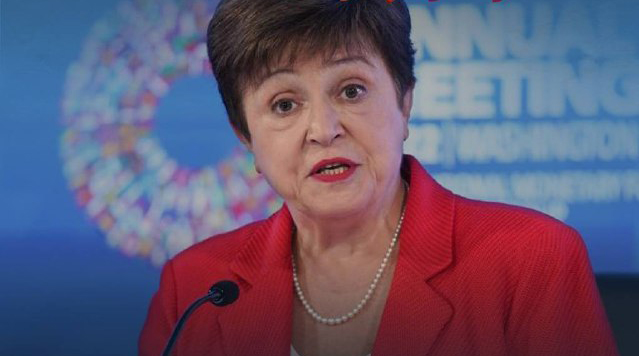
In the just-released World Economic Outlook, the International Monetary Fund (IMF) issued a warning that "uncertainty has become the new normal for the global economy." This statement reflects a reality: economic growth still exists, but the stability of the market environment has vanished. From policies, geopolitics, technology to debt risks, all factors make the future unpredictable. - Where does "uncertainty" come from? 1. Geopolitical tensions 2. Policy directions have been inconsistent The frequent shifts in monetary and fiscal policies in the United States, Europe and China have made it difficult for the market to predict whether the next step will be to raise interest rates, cut them or maintain the status quo. 3. Overheated valuations of technology and assets The investment boom in artificial intelligence and new energy has pushed up market valuations, but it remains unknown whether future earnings can support such high valuations. - The economy appears stable on the surface, but risks lurk The latest forecast from the IMF indicates that the global economic growth rate will slightly drop from 3.3% in 2024 to 3.2% in 2025. On the surface, it may seem like a "soft landing", but the undercurrents have not yet subsided. High interest rates, heavy debts and tense geopolitics have made corporate costs as high as market valuations. The economy has not yet fallen into recession, but the risks have only been "delayed in outbreak", not truly vanished. - Thinking in the face of an uncertain era Information sensitivity is more important than speed Blindly chasing after news can easily lead to being misled by market fluctuations. One should learn to "look at the direction, not guess the short-term." 2. Dispersion and defense are key When all variables are difficult to control, the importance of stable allocation and risk management is higher than ever before. 3. Maintain cash and flexibility In a rapidly changing environment, liquidity equals safety. Keeping cash and not over-borrowing is the simplest yet most effective strategy. - Facing a market full of uncertainties, we cannot control the future, but we can control the extent of our preparations. The "new normal of uncertainty" is a realistic reminder that when the market becomes more unpredictable, "stability" becomes precious and "flexibility" becomes a must.

2025-10-16
Silver has been performing strongly recently, breaking through the $50 mark and rising by more than 60% so far this year. The market is now asking: After gold, is it silver's turn? Why has silver risen? Many people think that silver is just a cheaper version of gold, but this time the rise is not just following the trend. Instead, it is driven by two forces simultaneously: Safe-haven demand Gold has reached a new high, the US dollar has weakened, and interest rates have peaked. Investors are seeking precious metals for value preservation; silver, with greater volatility, naturally becomes the "leveraged version of gold". Industrial demand surges (core difference) More than half of the demand for silver comes from industry, especially in: Solar panels Electric vehicles and batteries Semiconductors and AI servers 5G electronic components Gold is a core safe-haven asset, while silver is also involved in future technologies. When safe-haven demand and industrial demand rise simultaneously, silver has a stronger explosive power. History: Once awakened, silver is even more frenzied than gold During the stagflation period of the 1970s: Gold +240% Silver +1,000% The gold-silver ratio has repeatedly seen a catch-up rally in silver after reaching extreme levels (such as above 80). The longer it is undervalued, the more vigorous the rally will be once it starts. Investment Outlook: Will History Repeat Itself This Time? The current conditions are very similar: Gold has reached a new high Silver has not yet reached its historical peak Green energy + AI drive demand De-dollarization, physical assets are in favor The gold-silver ratio is high (silver is relatively cheap) Silver is no longer merely the "shadow of gold", but an asset with its own logic. Main ways to invest in silver Physical silver Silver CFD (XAGUSD) Silver ETF (SLV) Silver futures/leveraged products Silver mining stocks Silver has both safe-haven and technology attributes, which is indeed worth paying attention to. However, its volatility is much higher than that of gold. It rises quickly and falls sharply as well. The real key is not blindly chasing high prices, but understanding cycles, rhythms and risk management.

2025-10-09
財經小百科|高市早苗交易:如何牽動全球資金流 日本政壇掀起罕見波動,未上任的高市早苗,已成為國際市場焦點。投資者稱之為「高市早苗交易」(Sanae Trade),這場交易的核心,不在她的政綱,而在市場對「未來日本」的集體預期。 什麼是「高市早苗交易」? 「高市早苗交易」是指市場因預期她上任後的政策方向,而提前調整資金配置、重新定價風險與機會的現象。 她主張結束長期的超寬鬆貨幣政策、強化國防與科技產業,並推動日本經濟回到「正常化」軌道。 這些訊號令市場迅速反應。「政治尚未改變現實,卻已經改變了定價。」 為何市場反應如此劇烈? 高市早苗被外界形容為「女版安倍」,但在多數議題上更保守、更強硬。 她支持國防自主、科技自立, 並對中國採取謹慎態度。 市場推測,日本或將逐步退出「零利率時代」,重新奪回貨幣政策主導權。 資金湧入日本股市與防衛產業, 同時削弱了市場對美元的需求。 黃金作為「信任資產」的地位再次被強化。 政治與金融 「高市早苗交易」不僅是一場政策押注,更是一場信任重分配的演習。 政治改變權力,金融改變資金。 而高市早苗這個名字,正是兩者之間的觸發點。 市場從不等待結果,只會提前行動。 在不確定的年代裡,投資者交易的,不只是資產價格,更是對未來的信任。 每日學多啲 散戶都變專家

2025-10-06
【美國政府停擺:政治僵局如何擾亂市場?】 什麼是政府停擺? 當美國國會未能通過新一輪財政撥款,聯邦政府便會出現「停擺」。這意味著部分部門暫停運作,數十萬名公務員被迫休假,更重要的是官方經濟數據如失業救濟、新屋銷售等可能停止發布。 為何會影響市場? 數據是投資者判斷經濟走向的重要依據。一旦停擺,市場失去參考資訊,只能「靠估」去推測美聯儲政策,令波動性明顯上升。在這種情況下,避險資產例如黃金往往受追捧,美債短期孳息可能上揚,而美股則承受經濟增長放緩的壓力。 歷史上的經驗 1995年、2013年及2018年,美國均曾發生停擺。2018年的一次長達35日,是史上最長的一次,當時標普500曾出現短期震盪。不過,歷史經驗顯示停擺對長期經濟影響有限,更多只是短期政治風險的放大。 會否影響減息? 停擺令美聯儲缺乏可檢視的數據,決策會更加謹慎,減息動作未必因短期政治事件而加快。但另一方面,若停擺時間過長,拖累GDP及就業,市場就會更快炒作「減息預期」。因此,停擺對減息影響其實是「短期升溫預期,長期取決於真實數據」。 對投資者的啟示 政府停擺不等於經濟基本面惡化,但會增加市場不確定性。這時候,投資者應意識到,波動來自政治,而非經濟。適度配置避險資產,並保持對美聯儲政策的理性判斷,才是應對之道。

2025-09-25
What is RWA? RWA (Real World Assets, tokenization of physical assets) refers to the transformation of real-world assets into blockchain digital tokens. The scope includes: Precious metals (gold, oil) Financial assets (U.S. Treasury bonds, corporate bonds) Tangible assets (real estate, artworks) Intangible assets (patents, income rights) In theory, every token is backed by a physical asset. Why is 2025 called the "Year of RWA"? The breakthrough of US Treasuries on the blockchain: Citigroup, BlackRock and other institutions have tokenized US Treasury funds, with a scale exceeding 100 billion US dollars. Traditional financial institutions enter the market: Banks and asset management companies join in, and RWA moves from experimentation to mainstream. The integration of DeFi and TradFi: Decentralized platforms are beginning to use tokenized assets as collateral, combining on-chain and traditional finance. The Advantages and Disadvantages of RWA Advantages: Improved liquidity, operation all year round, and reduced threshold. Risks: Insufficient transparency in custody, regulatory gray areas, vulnerabilities in smart contracts and hacker risks. The Disputes between China and Hong Kong The world is promoting RWA, but China is more cautious. It is reported that Chinese regulators have informally asked some domestic securities firms to postpone their business expansion in Hong Kong. The reasons include: Risk control: Ensure there are real assets behind it. Financial sovereignty: Preventing capital from flowing out of the country. Market stability: Maintain a cautious attitude towards crypto assets. Hong Kong, on the other hand, hopes to establish a digital financial advantage through RWA, creating a situation where "the mainland is applying the brakes while Hong Kong wants to accelerate". Focus areas in the investment field U.S. Treasury bonds: stable returns, the market's "touchstone". Gold: It was the earliest to be traded and has high liquidity. Real estate: Great potential, but even greater challenges. Long-term impact Monetary system: Could become a new tool for "de-dollarization". Financial democratization: Individual investors can participate in more institutional assets. Market order reshaping: Traditional assets going on-chain may rewrite the roles of banks and exchanges. RWA symbolizes the integration of finance and blockchain, but regulation will determine the process - the US and Europe are actively promoting it, China is observing, and Hong Kong is attempting to break through. 2025 is regarded as the "RWA Year", presenting both opportunities and a game of wits between systems and regulations.
2025-09-18
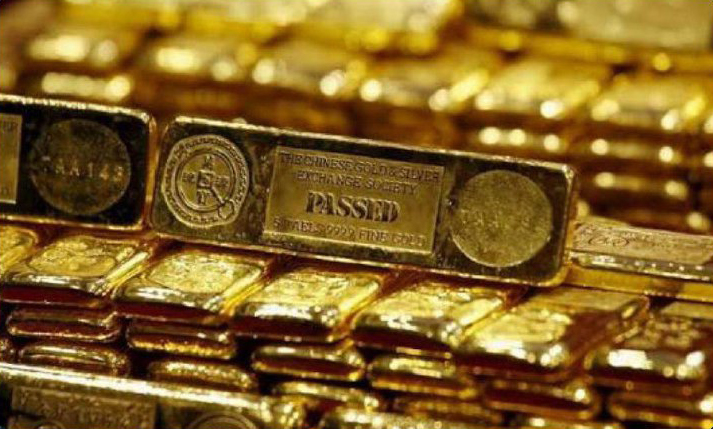
In the latest policy address, the government proposed to "consolidate Hong Kong's position in the gold market", including expanding warehousing, establishing a clearing system and launching new products. The traditional advantages of the Hong Kong gold market Since the 1970s, the Gold and Silver Exchange has been a major gold platform in Asia. With its free port and absence of foreign exchange control, Hong Kong has become a gateway for international capital to enter Asia. However, with the rise of Shanghai and Dubai, Hong Kong's advantages have gradually been eroded. The policy address brought up gold again precisely in the hope of redefining its role. New direction Gold storage hub: The storage capacity will be increased to over 2,000 tons within three years. Central Clearing System: Establish a secure platform and study its connection with Shanghai. Product innovation: Promoting gold funds and tokenized gold. Industry organization: Establish associations to promote and cultivate talents. In other words, the government is repositioning itself through a three-pronged approach of "infrastructure + system + product". International comparison London's century-old pricing core, with the highest international recognition. The demand in the Shanghai mainland is huge, but it is subject to capital control. Dubai has risen rapidly in recent years due to its tax-free nature and geographical advantages. If Hong Kong is to break through, it must maintain both "international trust" and "Chinese endorsement" at the same time. Such a dual advantage is hard to replicate. Advantages and Challenges Potential benefits Attract international capital to flow back and consolidate the status of a financial center Drive the development of related industries such as warehousing, refining, logistics and insurance Enhance market diversity and reduce reliance on stocks and real estate Potential challenges The initial investment is huge and the return will take time International competition is fierce, and London, Dubai and Shanghai are all accelerating their layout Investor confidence and compliance transparency remain the biggest tests Implications for investors For ordinary investors, policies may not immediately influence their choices, but they send a signal that the strategic position of gold is being emphasized again. In terms of asset allocation, gold remains an important tool for diversifying risks. With the implementation of the new system, investment channels may become more diverse in the future.

2025-08-21
"Digital currency" has become a key topic in financial experiments across countries. Japan not only has the Digital Yen led by the central bank but also the JPYC stablecoin issued by private companies. Both are based on the Japanese yen, yet they represent completely different development paths. Digital Yen: The Central Bank's Version of Electronic Money Issued by the Bank of Japan, it is positioned as the electronic version of cash. It enjoys the full trust of the government. Its main uses include small payments, cross-border settlements, and facilitating government supervision of capital flows. The characteristics are safety and stability, but the pace of advancement is relatively conservative. It can be regarded as "electronic banknotes" with extremely low risk. JPYC: Digital Yen of Private Innovation Issued by the Japanese company JPYC Co., Ltd., it is a stablecoin pegged to the Japanese yen. It is mainly used in e-commerce scenarios and can be applied to shopping vouchers, game points, and even some DeFi platforms. It is highly flexible and has diverse applications, but the source of trust relies on the company's asset guarantee, and its scale is limited. It is closer to a "digital payment tool" or "electronic points" rather than an official legal tender. Core difference: Trust vs. Efficiency Digital yen: Safe and reliable, backed by national credit, but the pace of innovation is relatively slow. JPYC: Flexible and adaptable, always at the forefront of the market, but its credibility still lags behind that of the central bank. The former is a "stable orthodox currency", while the latter is an "experimental payment token". Three modes The American model: privately led (USDT/USDC), consolidating the hegemony of the US dollar. The Chinese model: Official monopoly (Digital RMB), challenging the status of the US dollar. The Japanese model: dual-track system of official and private sectors (Digital Yen + JPYC), hoping to restore the presence of the yen. Digital yen represents national credit, while JPYC stands for market efficiency. The two both cooperate and compete, which is a microcosm of Japan's financial experiment. In the future, who will truly represent the "yen", the central bank or the private sector? Can the Japanese yen regain its footing on the international stage through digitalization, or will it ultimately be marginalized by the US dollar and the Chinese yuan? This cryptocurrency cold war has only just begun.

2025-08-14
Recently, the US economic data has sent out contradictory signals - the economy is slowing down, but prices remain stubbornly high. A new term has begun to circulate in the market: "Stagflation-Lite". What is stagflation? The term "stagflation" is a combination of "stagnation" (economic stagnation) and "inflation" (inflation), meaning that while economic growth is sluggish, prices continue to rise. Under normal circumstances, when the economy slows down, demand weakens and prices fall; or when prices rise, the economy still has growth support. But stagflation disrupted this balance, creating a predicament of weak growth and high inflation. The three major characteristics of stagflation The decline in GDP growth rate indicates insufficient economic momentum. Rising unemployment - companies' revenues decline, recruitment slows down Prices continue to rise - even as demand weakens, cost pressures still push up prices. The simultaneous occurrence of these three factors is often a warning sign of stagflation; if the situation is less severe, it is what is called the "Lite version". Take the current situation in the United States as an example. The economic growth rate has slowed down, and the job market has shifted from "red-hot" to "moderately warm". Overall inflation was moderate, but core inflation rose to a five-month high. The dilemma of central bank decision-making Interest rate cuts to stimulate the economy → may lead to a recovery in consumption and investment, but could also push up inflation and worsen price pressures. Interest rate hikes to curb inflation → Prices may fall, but financing costs rise and the risk of economic recession increases. Meanwhile, wage growth often fails to keep pace with the increase in prices, weakening consumer confidence and creating a vicious cycle. A typical case in the United States in the 1970s In the 1970s, two oil crises pushed up energy prices, and the US inflation rate once reached double digits. The economic growth rate slowed significantly. At that time, the Federal Reserve was indecisive in its policy orientation. As a result, it failed to control inflation and prevent economic recession. Eventually, it could only suppress inflation with extremely high interest rates, at the cost of a prolonged economic downturn. How should investors deploy? Under Stagflation-Lite, a defensive and hedging strategy is advisable. Defensive stocks: industries with stable cash flows such as consumer staples and utilities. Inflation hedging: gold, energy and other bulk commodities Short-term debt and cash: reducing interest rate risk and retaining liquidity to cope with volatility Although Stagflation-Lite may not evolve into a full-blown crisis, it is sufficient to increase market volatility and policy uncertainty. Investors should remain flexible, balancing defense and opportunity, and grasp the equilibrium amid the changing situation.
2025-08-07
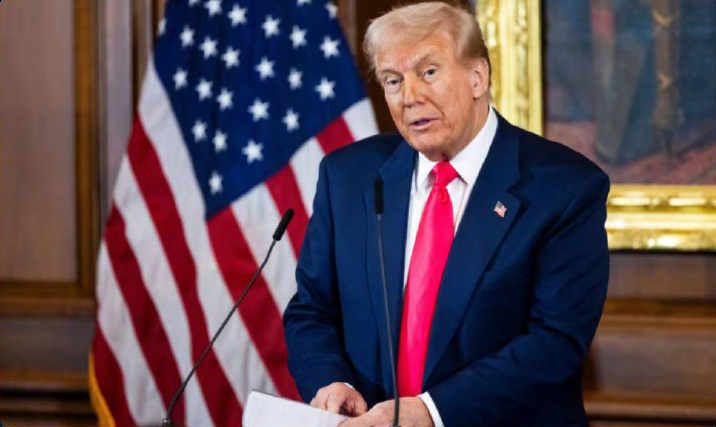
Trump has once again played the tariff card, announcing a new round of tariffs on 66 countries, with the highest rate for some products reaching up to 50%, covering industries such as pharmaceuticals, chips, and automobiles. The reasons are straightforward: protecting domestic industries and reducing the trade deficit. The market's first reaction: Does this mean that "Made in the USA" wins, or is it another kind of hidden tax that is ultimately paid for by consumers? What is a tariff? Tariffs are essentially import duties. Once levied, the prices of goods will rise immediately, which theoretically can protect domestic enterprises. This is a "quick-acting" tool, especially in election years. However, the global supply chain is closely intertwined. Once tariffs are imposed, it will not only hit foreign exports but also affect domestic manufacturing and consumption. Tariff = hidden tax? Many people think that the tariffs are paid for by foreign countries, but the truth is quite the opposite. After the imposition of tariffs, the costs for importers rose, which were eventually passed on to retail prices. The Tax Foundation of the United States estimates that current policies cause American families to pay an additional $1,270 each year. Expensive imports: With a 10% tariff on mobile phones, the selling price can increase by 100 US dollars at any time. Supply chain transfer: Changing the procurement location leads to increased logistics and negotiation costs. Weakened competition: Foreign goods are more expensive, and the incentive for local discounts is lower. In other words, a tariff war is an "indirect tax increase", with everyone footing the bill. The impact on inflation and policies Tariffs push up commodity prices, which is directly reflected in the CPI. The IMF has warned that if tariffs are expanded, inflation in the United States could return above 2.5%. This means: Interest rate cut delay: The market originally expected the Federal Reserve to cut interest rates, but with increased pressure, the schedule may be postponed. Corporate pressure: High interest rates persist, financing costs rise, and investment is weakened. The tariff war not only affects trade, but also alters the flow of funds and the trend of interest rates. Lessons of history The Smoot-Hawley Tariff Act of 1929 raised the tariff rates on thousands of imported goods to 40%, which triggered a retaliatory wave of tariffs and exacerbated the Great Depression. The trade war between China and the United States in 2018 also proved that there were no winners: American agriculture relied on subsidies, Chinese exports were hurt, and consumer prices on both sides rose simultaneously. In the short term, some domestic industries will get a breather, but in the long run, costs will rise, efficiency will decline, and the capital market will fluctuate. Eventually, everyone will pay the price. Investment Insights Each time tariffs rise, market anxiety intensifies and the demand for safe-haven assets increases. As a result, gold and long-term US bonds often benefit. Industries that rely on imports, such as automobiles and electronics, are under the greatest pressure. Short-term policy dividends do not equal long-term stability. Diversifying assets is the key.
2025-07-31
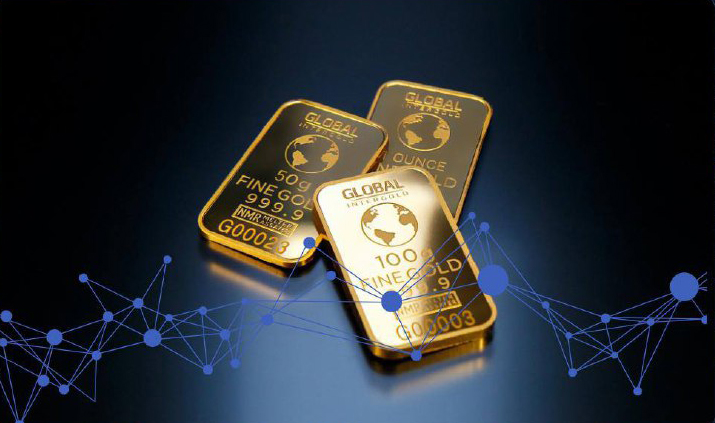
When it comes to artificial intelligence (AI), many people think of the sharp rise in technology stocks. However, in fact, the AI craze has not only brought about innovation but also led to a simultaneous increase in gold demand. Underlying logic Global resource demand AI is not an "invisible cloud", but rather the result of extensive hardware support. Each large-scale model training requires thousands of servers. These servers rely on advanced chips, and the production of chips and the operation of data centers all consume a large amount of energy and metals. The International Energy Agency predicts that the electricity consumption of global data centers will double within three years, approaching the annual electricity consumption of the entire Germany. The demand for metals such as copper, aluminium and silver has soared as they are important raw materials for power transmission and wafer manufacturing. In other words, the AI craze is essentially a "battle for resources". The chain reaction of inflation When the prices of energy and metals rise, manufacturing costs increase accordingly, which is eventually reflected in the end products, resulting in "imported inflation". The IMF has warned that if investment in AI infrastructure accelerates, the global commodity market may face a second round of inflation. This means that the central bank's interest rate cut schedule will be postponed, and market uncertainty will intensify. "Golden Character" In the face of inflation and policy battles, the value of gold has been reassessed. Gold is not only a traditional safe-haven asset but also an important tool for hedging against inflation. Recently, the gold price has remained stable at a high level for a long time. This is not only due to geopolitical risks, but also the hidden inflation brought about by AI is a key factor. Funds are flowing into AI concept stocks on one hand and into gold on the other, forming a dual investment pattern of "technology + risk aversion". Investment Insights The AI craze is not a one-way benefit for technology; it is more likely to trigger structural inflation. In addition to chasing AI leaders, investors should also include gold and bulk commodities in their allocation to diversify risks. In times of high volatility, defense is as important as growth.


