
 en-US
en-US 

 Telegram
 WeChat

2025-07-24
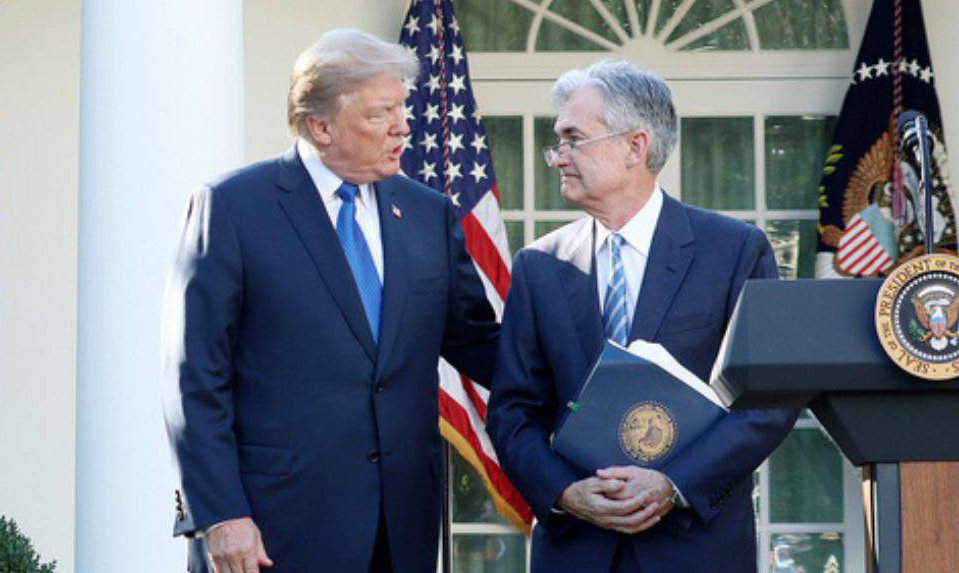
The market is abuzz with rumors that Trump is dissatisfied with the Federal Reserve's monetary policy, and Chair Powell has instantly become the center of attention. Here comes the question: Will the Federal Reserve immediately cut interest rates if the chairperson is replaced? How independent is the Federal Reserve? Although the Federal Reserve (Fed) is part of the government system, its design concept is to "operate independently" and avoid political interference in monetary policy. Its main missions include: Maintain price stability Promote full employment The decision-making power is held by the Federal Open Market Committee (FOMC), whose members include board members and presidents of regional Federal Reserve banks. The key point is that the policy direction is the result of collective discussion and will not immediately "turn 180 degrees" because of one person. Can the president replace the chairperson at any time? Answer: Not easy. The right to nominate: The president can indeed nominate the chairperson, but it must be confirmed by the Senate. Term guarantee: The term of office for the chairperson is usually four years, and there is no explicit regulation that the president can be replaced at any time. In the history of the United States, no president has ever successfully dismissed the chairperson of the Federal Reserve during his tenure. The president's influence is more often derived from political pressure, such as making public statements or using public opinion to influence the market, but this is "pressure" rather than "instruction". The institutional design deliberately extends the term of office: the chairperson's term is four years, and that of the directors is as long as 14 years. The aim is to prevent significant policy swings caused by the change of political parties. Can interest rates be cut immediately just by changing the chairperson? Not necessarily. There are three reasons: FOMC collective decision-making: Policies are not decided by the chairperson alone. Market stability: A sharp shift can undermine confidence. Data-driven: Ultimately based on economic data rather than political will. Even if a new chairperson is appointed, policies still need time to be evaluated and may not change immediately. Why emphasize independence? The independence of the central bank is precisely to prevent short-term political interests from overriding economic laws. Historical lesson: In the 1970s in the United States, due to political intervention in monetary policy, inflation got out of control and the economic cost was extremely high. Maintaining independence is an important guarantee for avoiding "liquidity injection in an election year" and maintaining market stability. Changing the chairperson does not mean an immediate interest rate cut; data is the ultimate decision-maker. The market, however, is extremely sensitive to rumors. Just one piece of news is enough for the gold price to break through the threshold.
2025-07-17
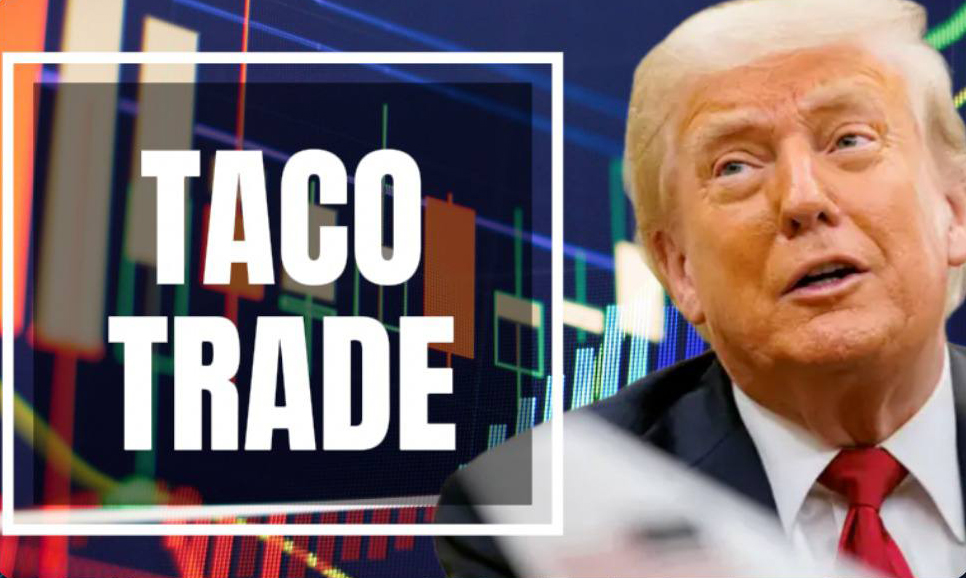
Recently, an interesting buzzword "TACO" has emerged in the financial market. On the surface, it seems like a Mexican wrap, but there are two interpretations of TACO in the market, one from the perspective of political behavior and the other from the perspective of trading techniques. TACO 1: Trump Always Chickens Out This is a political observation, indicating that Trump often "talks hard but does little". He is accustomed to giving hints: raising tariffs, firing officials, launching trade wars, causing market panic. But in the end, it changed its tune, postponed, and even withdrew, leading to a market rebound. Some investors take advantage of this "fall first, then rise" rhythm for short-term deployment, and the market thus jokingly calls it "TACO Trade". TACO 2: Trump-Activated Conditional Orders Many high-frequency trading systems scan news and social media in real time. Once they detect words like "Powell", "tariff", or "fire", they automatically place orders, causing the market to fluctuate instantly. Because Trump's remarks frequently touch upon policies and the market, they have become highly sensitive signals for program trading in a disguised way. This phenomenon is also known as "TACO trading". The common points of the two tacos Although the starting points are different, they essentially reflect the same market phenomenon: Speech is the trigger Whether the policy is implemented or not, a single word from Trump is enough to trigger market fluctuations. Reactions precede facts. Both humans and programs tend to act first and then verify, causing excessive short-term fluctuations in prices. The market has established expectations Investors have become accustomed to Trump's "talk a lot, act little" style and have adjusted their strategies accordingly. How should investors make their arrangements? Be vigilant against the risk of price chasing The turmoil caused by Trump's remarks is mostly unrelated to the fundamentals. Do not enter the market blindly. Short-term trading can take advantage of volatility If one can identify excessive market sentiment, they can wait for an opportunity to act after the market stabilizes. For the long term, one should focus on the trend Short-term fluctuations are prone to dispersion. A prudent strategy should still focus on fundamentals and the medium - to long-term direction. The contemporary market is not only driven by economic data, but language, emotions, and program logic also dominate the rhythm. The true investment advantage is not merely about understanding charts, but about grasping behavior and timing.
2025-07-10
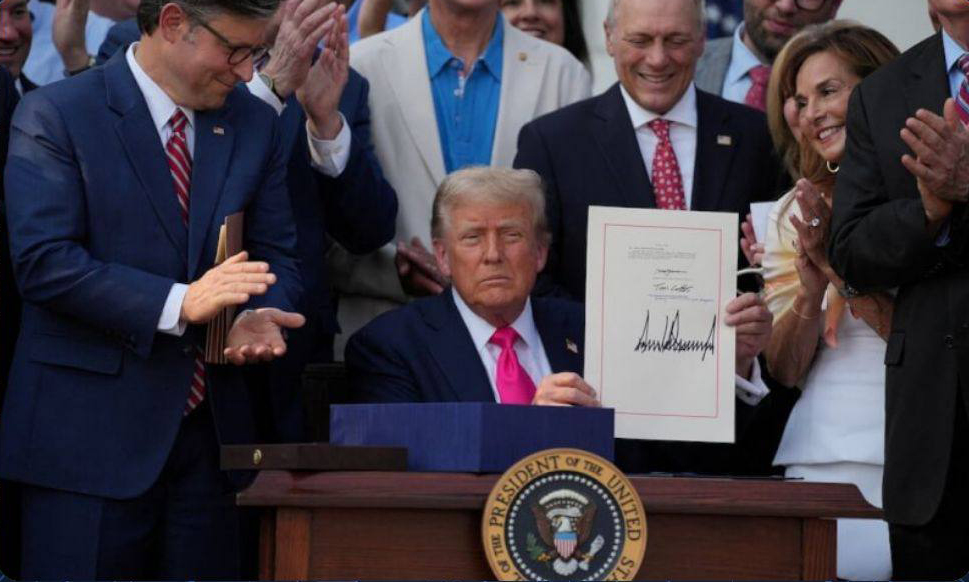
The "Big and Beautiful Act" covers several important areas, including: Tax reduction measures: Targeting enterprises and high-income groups to enhance competitiveness and economic growth. Infrastructure investment: Pouring in huge funds to improve infrastructure and create jobs. Semiconductor and high-tech subsidies: Encourage building factories in the US to reduce reliance on foreign countries. Defense and security spending: Increase military expenditure to address geopolitical risks. Social welfare and medical expenditures: Funds are allocated to safeguard vulnerable groups. The bill will help boost the economy in the short term and bring multiple benefits, including promoting GDP growth, especially in the manufacturing and technology sectors; creating job opportunities; enhancing national security and supply chain autonomy; and helping the United States cope with the risks of economic slowdown. Potential Risks and Challenges The Congressional Budget Office estimates that the bill will increase the deficit by approximately $3.3 trillion over the next decade, and the total debt may exceed $50 trillion before 2032. The debt burden has increased and the market is worried about the ability to repay debts. The credit rating of the United States was downgraded from Aaa to Aa1 in May this year. Large-scale bond issuance may push up the yield rate, cause long-term bond prices to fall and increase financing costs. Global funds are gradually "de-dollarizing", with some central banks reducing their holdings of US Treasuries, and the status of the US dollar is being challenged. Lessons from the Investment Market: It is advisable to hold bonds for a short period rather than a long one. The US deficit has increased, and the market is concerned that bond yields will rise. If long-term bond yields rise, prices will fall sharply, and the risk is relatively high. Short-term US bonds are more stable, and interest rates remain at a high level. Diversify currency risks If the US dollar weakens, one can allocate some assets in euros and Australian dollars or increase holdings of gold as a hedge. Observe the flow of funds The "de-dollarization" trend continues, and funds may flow to European and emerging market bonds. Although the bill brings economic benefits, it also plants the seeds of fiscal and debt risks. Investors should be cautious in their deployment, flexibly adjusting the maturity of bonds and currency allocation to guard against potential risks.
2025-07-03
The Stablecoin Ordinance of Hong Kong will come into effect on August 1 this year. As stablecoins have drawn increasing attention, a question has emerged in the market: Will stablecoins pose a "fatal threat" to traditional banks? And how will banks respond to this financial revolution? Why do stablecoins threaten banks? Stablecoins are digital tokens pegged 1:1 to fiat currencies such as the US dollar and the euro, like Tether (USDT) and USDC. Over the past few years, stablecoins have increasingly been used for: Cross-border payment is faster and cheaper than traditional remittance. Funds stored in value → Reduce the risk of currency fluctuations Transaction settlement → Serving as a "stable unit" in the crypto market or tokenized assets If the function becomes increasingly popular, banks may be impacted. Deposit business When funds are transferred to stablecoins, banks lose their deposit sources, which affects their lending and interest income. Remittance and cross-border payment Traditional cross-border transfers are slow and expensive; stablecoins can be transferred instantly with only a few cents in fees. If banks fail to catch up, they will inevitably lose customers. The role of the capital market If securities trading were settled with stablecoins, banks might lose their roles in settlement, clearing and custody. Will banks be phased out? Although there are threats, it is still too early to say that stablecoins can "eliminate" banks. The reasons include: Trust Advantage Banks have a long-standing reputation for regulation and legal protection, while the transparency of stablecoins remains questionable. Regulatory environment The threshold for stablecoin issuance has been raised, and banks themselves already have a well-established regulatory framework. How should banks respond? Banks are not sitting idly by but have taken proactive measures: Explore Your Own Stablecoin For instance, JPMorgan Chase launched JPM Coin for internal clearing or large client transactions. Become a stablecoin custodian Provide custody services for crypto assets to institutions or high-net-worth clients. Assist in the development of CBDC Central banks of various countries are developing digital currencies, and banks can become issuance and circulation nodes. Stablecoins do pose challenges to banks, especially in the areas of cross-border payments and settlements. However, in the short term, banks still hold advantages in terms of trust, regulation, and capital pools. The future may not be about "replacing", but rather coexistence and even complementarity. For investors, this upheaval is not merely a technological race but may also rewrite the financial landscape. The allocation between stablecoin concept stocks and financial stocks will become a new issue.

2025-06-26
Recently, Trump said that he has selected three to four candidates and is ready to succeed Federal Reserve Chair Powell. Although the chairperson has not been officially changed yet, market reactions have already emerged: the US dollar has declined, gold has rebounded, and expectations of interest rate cuts have risen. As is known to all, the chairperson of the Federal Reserve, to a certain extent, represents the direction of interest rates in the coming years. As soon as the market hears the list of candidates, it will immediately interpret: Will there be a reduction in interest rates? How should the funds be deployed? The four potential candidates currently circulating: Kevin Warsh (Biased Eagle) | Former Governor of the Federal Reserve It has always supported raising interest rates earlier and advocated fighting inflation If he takes the stage, the market expects that high interest rates will persist for a relatively long time, which is beneficial to the US dollar and gold Philip Jefferson (dovish) | Current Vice Chairman Pay attention to economic equity, employment and the space for interest rate cuts After entering the market, it may promote loose policies, which is beneficial to gold and risky assets Christopher Waller (Neutral to Hawkish) | Current Director Advocate acting based on data and have a pragmatic style Market expectations have not changed much, but the pace of interest rate cuts may be relatively slow Leslie Bessent (position unknown) | Former Investment Director of Bridgewater There is no clear public stance, but it has a close relationship with Trump The market is mainly on a wait-and-see basis, and short-term fluctuations may be significant How do investors deploy? The candidates tend to be dovish (that is, in favor of interest rate cuts). Funds may flow into gold, technology stocks and emerging markets The candidate tends to be hawkish (that is, advocating for interest rate hikes). The US dollar may strengthen, and funds tend to flow back to defensive assets such as US Treasuries or bank stocks The candidate is unclear/controversial The market may experience repeated fluctuations in the short term. We are waiting for more clues to be confirmed The market had already shifted before the chairman took the stage. This time, Trump voluntarily mentioned three to four candidates, sincerely hoping that the market would be mentally prepared. Or will he use "expectation management" to influence the market atmosphere in advance? It can only be affirmed that the market always trades news faster than facts.

2025-06-19
Whenever war or geopolitical conflicts escalate, financial markets always fluctuate rapidly: gold prices rise sharply, oil prices soar, safe-haven assets strengthen, and news spreads everywhere. But as investors, how should we handle these war news? Prices often occur earlier than the news reaction Many people think that news guides the market, but in fact, prices often respond earlier than news. Take geopolitical risks as an example. Assets such as gold, oil, and military industry stocks are often pre-hyped by funds before the official news emerges. The reasons include: Institutions acquire faster intelligence (such as military deployments and satellite images) The market attaches more importance to "expectations" than "results". The news report is delayed in time This precisely reflects a golden saying in the investment field: "Buy the rumor, sell the news" That is to say, when the news actually emerges, it might actually be the right time to close one's position and exit the market. News is information, not instructions News can cause market fluctuations, but it is not a signal to enter the market. Whether a piece of war news is worth adopting depends on the following considerations: Has it been pre-digested by the market (Price-in)? What is the current technical position of assets? Did your actions stem from rational deployment? Or an emotional reaction? Relying solely on news manipulation can easily lead to a pullback after a high rally or fall into the trap of a false breakout. How to make good use of news trading? News is not unusable; it just requires strategies. The following methods can be used for reference: Observe the rhythm rather than the plot: Instead of following the news, pay attention to whether the market has responded in advance. In combination with technical analysis: If the gold price encounters news at the resistance level, caution should be exercised. If you approach the support zone and see a significant increase in trading volume, it might be a good time. Set risk control exit points: Behind the news, risk management is still necessary. Position control and stop-loss setting are indispensable. Distinguish events from trends: Short-term conflicts do not necessarily change the long-term direction. Do not generalize from a part. In the information age, whoever can make calm judgments will have the opportunity to move one step ahead of the news.
2025-06-12
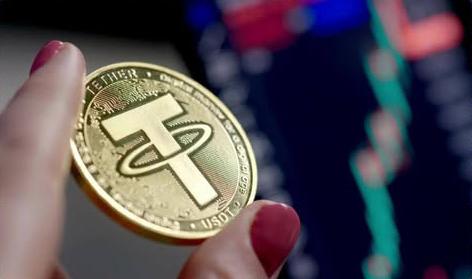
How does the United States reconstruct its financial hegemony with virtual currencies? In May 2025, the United States Senate passed the GENIUS Act, establishing a national regulatory system for dollar-pegged stablecoins. This move is regarded as the strategic deployment of the United States to continue debt financing with digital financial instruments and consolidate the global dominance of the US dollar. At present, the total amount of US national debt exceeds 35 trillion US dollars, and the daily interest expense is as high as 2.3 billion. The bill may become a disguised "digitalization of US debt refinancing" mechanism. Issuing currency = helping the United States buy bonds? The GENIUS Act stipulates that all eligible stablecoin issuers must keep 100% of their reserves in cash equivalent to US dollars or US Treasury bonds. In other words: Purchase a stablecoin The issuing institution must purchase one dollar of Treasury bonds or deposit cash The US Treasury Department can obtain a new round of financing If the issuance volume expands from the current 200 billion US dollars to the expected 2 trillion, it means that global funds will provide the United States with a huge, low-interest and continuous source of funds. Stablecoins are rewriting the rules of capital flows 24-hour operation and real-time settlement Support point-to-point transfer without going through a bank It can be used for payment, value storage and investment, and has permeated into daily scenarios and the capital market Stablecoins bypass traditional financial regulation and sanctions, opening up a more flexible global expansion channel for the US dollar. What is the logic behind the promotion? Reduce the pressure of bond issuance and stabilize interest rates It is not equivalent to QE and does not pose an inflation risk De-banking and promoting the digitalization of the circulation of the US dollar Reconstruct the US dollar settlement system to counter the monopoly of SWIFT Many viewpoints hold that this will become the "Bretton Woods System 2.0" : the dollar's hegemony will be jointly supported by US Treasuries and stablecoins. The risks still exist. For the banking system: or weaken the deposit and credit base For investors: There is a risk of misappropriation or bankruptcy of the issuing institution, and the assets may not be recoverable To regulatory authorities: If there is a run on the bank or a crisis of trust, it may trigger systemic turmoil In the face of the rapid expansion of stablecoins, investors need to pay attention to both technological development and institutional changes simultaneously. Stablecoins may have created a faster track for the US dollar, but where it runs and whether it can reach it safely still depend on whether trust and regulation can move forward in tandem.

2025-06-05
The United States Senate officially approved the appointment of Michelle Bowman as the "Vice Chairperson of Financial Regulation" of the Federal Reserve. This position is one of the highest regulatory duties in the US banking industry and has a profound impact on global capital flows, the performance of the US stock market, and even the trend of bank stocks. What implications does it have for the investment market? What is the "Vice Chairman of Financial Regulation"? A senior position at the Federal Reserve, responsible for formulating and implementing banking regulatory policies, covering the following areas: Formulate stress test standards and capital requirements Evaluate bank risks and approve compliance systems Promote regulatory reform and monitor the progress of implementation Supervise the risk management and capital structure of large financial institutions This position is highly influential and crucial to the stability of the financial system and the operation of the capital market. Who is Bowman? Michelle Bowman, a former commissioner of the Kansas Bank, is also the first Federal Reserve governor with a background in community banking. She has been a member of the Federal Reserve since 2018 and has long been concerned about regional bank supervision issues. Support "simple supervision" and advocate reducing institutional repetition and cumbersome requirements Emphasize the improvement of regulatory transparency and flexibility It was publicly questioned that stress tests were too mechanical and failed to reflect actual risks Tending towards a dovish stance, it advocates practicality and flexible handling of the compliance of financial institutions What policy changes is expected to be brought about by her taking office? The capital requirements of large banks have the opportunity to be moderately reduced The stress testing system is expected to be streamlined and enhance predictability Small and medium-sized banks may be granted more exemptions or grace conditions The overall regulatory framework may shift towards "supporting development" and "reducing burdens". Overall, the market views this as a shift in regulatory trends towards easing, which is beneficial for the banking industry to obtain higher profit margins. What enlightenment does it offer to investors? The financial sector (such as the XLF ETF) may benefit from the reduction in regulatory costs Bank stocks may have performance opportunities in the short term, especially those institutions with declining capital demands However, regulatory relaxation may increase the space for risk accumulation In the long run, if financial institutions have excessive leverage or insufficient risk management, it may trigger another confidence crisis (such as the SVB incident). Investors should carefully observe whether the regulatory pace and risk control are adjusted simultaneously.

2025-05-29
On May 21, 2025, Hong Kong passed the "Stablecoin Ordinance Bill", officially establishing a regulatory framework for "stablecoins", the most promising virtual asset category. Hong Kong has the opportunity to become the first free financial center in Asia where legal issuance and use of digital currencies are permitted. What is a stablecoin? Stablecoins are a type of cryptocurrency pegged to fiat currencies such as the Hong Kong dollar or the US dollar, with stable values. Common examples include USDT and USDC. Their uses include digital payments, depositing funds for crypto trading, asset transfer, etc., and they are particularly suitable for cross-border capital flows. After the emergence of Hong Kong's stablecoin, the Hong Kong dollar will not only exist in the form of cash and bank deposits, but may also appear in your mobile phone in the form of a token. The bill sets forth multiple requirements to ensure market safety and confidence: The issuer needs to apply for a license. For every 1 coin issued, there must be 1 yuan of reserve support. There must be an immediate redemption mechanism in place. Overseas platforms targeting Hong Kong people are also subject to regulation. Customer assets must be independently custodied to prevent misappropriation. Why does Hong Kong need to take action? Stablecoins have developed rapidly, but they also carry many hidden risks. Hong Kong has previously established a licensing system for virtual asset platforms, and this time it has further filled the gap of "stablecoins". The aim is to create a complete and secure crypto financial environment and seize the position of a global Web3 hub. What opportunities do stablecoins bring? Financial innovation accelerates: Virtual banks, tokenized assets, and Web3 payment systems gain new momentum. The Hong Kong dollar is expected to internationalize: penetrating cross-border settlements and asset markets through stablecoins. New funding channel: Connecting the flow of funds between the US dollar and the RMB, with more flexible roles. At the same time, risks exist: Stablecoins are still in their infancy, and their application scenarios are not yet mature. The issuing institutions must meet high standards of capital and risk management, and the threshold is not low. The general public still has doubts about the trustworthiness of cryptocurrencies. The stablecoin bill represents Hong Kong's attempt to secure a place in the new global financial order. Whether it is an opportunity to pioneer or a risky experiment depends on the enforcement of regulation, the level of corporate participation, and the market's acceptance. If successful, Hong Kong will not only remain the financial center of Asia but also have the opportunity to become a key node for the issuance and circulation of global stablecoins. This legislation may be a low-key but significant reboot of the financial system.

2025-05-22
In May 2025, the rating agency Moody's downgraded the long-term credit rating of the United States from the highest "Aaa" to "Aa1". This was the last of the three major rating agencies to downgrade the United States, marking that the global consensus on the "risk-free nature of US debt" is gradually cracking. What is credit rating? Credit rating is used to assess a country or enterprise's ability to repay debts. Every time it is downgraded by one level, it indicates an increase in risk and borrowing costs will also rise accordingly. The United States has long been regarded as the "most reliable borrower in the world", and its treasury bonds are even called "risk-free assets". Once the rating is downgraded, market confidence is bound to be undermined. Why was the rating downgraded? Fiscal deterioration: As of now, the total debt of the United States has exceeded 36 trillion US dollars. It is estimated that by 2035, nearly 0.3 yuan out of every 1 yuan of tax revenue will be used to pay interest. High political uncertainty: Congress has repeatedly failed to reach consensus on debt ceiling, spending cuts or tax increase plans, weakening the government's debt repayment capacity and increasing market unease. How was the market response? Rising bond yields: The yield on 30-year US Treasuries has surpassed 5%, indicating an increase in the government's borrowing costs. The weakening of the US dollar: Capital flows out of the dollar zone and into safe-haven assets such as gold. The loan pressure is intensifying: The mortgage interest rate in the US may remain above 7%, which could slow down the recovery of the housing market and the credit market. How should investors deploy? Review risk exposure: Check the proportion of dollars and US Treasuries in your portfolio to avoid over-concentration. Increase holdings of safe-haven assets, such as gold and emerging market government bonds, to diversify risks. Keep a close eye on interest rate trends: monitor yield rates and the Federal Reserve's policies, and adjust investment strategies accordingly. Even if the United States' credit rating is downgraded this time, it remains the world's most influential economy. However, it also reminds us: A "risk-free asset" has always existed only in confidence.
2025-05-15
In recent years, a notable phenomenon has emerged in the financial market: whenever there is a significant correction in the US stock market, Trump always promptly "softens his stance", releasing positive news or making policy concessions. This pattern of interaction between the market and policy is called the "Trump Put". What is a Trump Put? "Put" is originally a financial instrument, representing a put option, which can provide protection for investors when the market declines. The "Trump Put" refers to the fact that whenever the market experiences sharp fluctuations, Trump will intervene through policies such as suspending tariffs, releasing negotiation news, or promoting fiscal stimulus, acting as a "human stop-loss" for the market. Three typical examples In 2018, the trade war between China and the United States intensified, and the US stock market declined for several consecutive days. Trump immediately stated that the two sides were "engaging in constructive dialogue", and the market sentiment clearly stabilized. In 2019, after announcing the imposition of tariffs on Chinese electronic products, panic ensued. Within days, the implementation was suddenly postponed on the grounds of "avoiding impact on Christmas consumption." In 2025: After the introduction of the 145% "reciprocal tariffs", the US stock market plunged sharply for two days. Less than two weeks later, the US reached a 90-day tax reduction agreement with China and simultaneously suspended the increase of tariffs on other countries. Potential Consequences and Risks Weaken policy pressure: If your opponent knows you are afraid of the market falling, they will naturally be more assertive during negotiations. Fueling speculative sentiment: Market expectations that the government will guarantee the bottom line have led to funds engaging in speculation based on rumors rather than fundamentals. Loss of policy trust: Excessively predictable intervention behaviors have reduced policies to short-term trading signals. Why is Trump so afraid of a market downturn? The performance of the stock market is its political KPI. It calls itself the "King of the Market", and a decline in market conditions would shake the foundation of its political achievements. The Republican Party's electoral prospects, the support of major donors, and the sentiment on Wall Street are closely related. A falling market equals rising pressure. Trump has intricate ties with the real estate and financial circles. If the market remains unstable for a long time, it will harm his connections and interests. The original meaning of "put" is to protect, but once it turns into a reflexive concession, it becomes a symbol of vulnerability.
2025-05-09
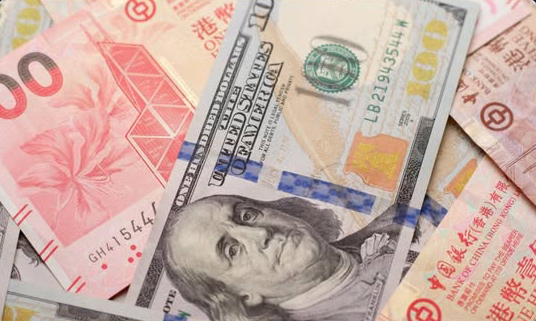
In early May 2025, the Hong Kong dollar repeatedly touched the "mandatory exchange guarantee" level. The Hong Kong Monetary Authority entered the market for four consecutive times, injecting a total of over 120 billion Hong Kong dollars. This is not merely a technical operation; it is also an important signal reflecting the global flow of funds and market sentiment. What is the "Strong Party Exchange Guarantee"? Hong Kong has implemented the linked exchange rate system since 1983. The Hong Kong dollar is pegged to the US dollar, and the exchange rate has remained between 7.75 and 7.85. When the Hong Kong dollar rises to 7.75, indicating overly strong demand, the Hong Kong Monetary Authority will take action: buying US dollars and selling Hong Kong dollars to prevent the exchange rate from breaking the upper limit and maintain stability. Why have you been entering the market frequently recently? The Hong Kong Monetary Authority has been continuously entering the market recently. There are three major reasons behind this: The US dollar weakened. Market expectations of interest rate cuts in the United States have led to a decline in the US dollar, pushing up the appreciation of the Hong Kong dollar. Capital flows into Hong Kong Investors are optimistic about the rebound of the Hong Kong stock market, and international and Chinese funds are accelerating their entry. Carry trade is active The interest rate of the Hong Kong dollar is higher than that of the US dollar, attracting funds to exchange for Hong Kong dollars in the short term to earn the interest rate spread. What are the impacts of the Hong Kong Monetary Authority's capital injection? Interest rates may be cut: The increase in funds will help lower the HIBOR, which is beneficial for mortgage borrowers. The attractiveness of assets has risen: Hong Kong dollar assets such as local bonds, high-yield stocks, and REITs are more favored. Stable confidence: The Hong Kong Monetary Authority's actions demonstrate institutional firmness and help align market expectations. Will the Hong Kong stock market improve as a result? Capital inflow does not equal long-term investment. For instance, carry trade is a short-term strategy and its support for Hong Kong stocks may not last long. The future trend still depends on whether funds remain in Hong Kong, the local economic performance and changes in the international situation. The Hong Kong dollar touching the strong side is actually a reflection of the global redeployment of funds. The entry of the Hong Kong Monetary Authority into the market is precisely an important indication of this transformation. If investors can understand the logic involved, they will be better able to grasp trends and enhance their financial judgment.

2025-05-07
Every May, whether you are on Wall Street or in Central, Hong Kong, the stock market always echoes with two old sayings: "Sell in May" and "May is poor, June is desperate, July will turn around". Despite the differences in Chinese and Western cultures, the observation is consistent: May is not a good time for stock trading. Is it superstition? Or is there any basis for it? Traceable data support Take the Hang Seng Index as an example. From 2000 to 2024, the average return in May was approximately -1.3%, and in June it was -0.8%, making them among the worst-performing months of the year. In July, however, the average return rebounded to +1.2%, which aligns with the saying "July sees a turnaround". In the US stock market, the S&P 500 has an average return of around 2% from May to October since 1950, while it can reach as high as 7% from November to April. Although it may not experience a significant decline, its performance in summer is notably weaker. The saying "Sell in May" is supported by statistical evidence. Why was May particularly weak? The first-quarter results of the news vacuum have been released, and the market lacks new catalysts. Trading is quiet as European and American funds enter the summer mode, with volumes falling. Macro risks such as the China-US relationship and expectations of interest rate hikes tend to erupt in the middle of the year. The market generally expects a shift to a conservative stance during this period, considering it high-risk and tending to reduce holdings. Amplified emotional fluctuations and pessimistic expectations can easily trigger stop-loss and selling, thereby expanding the range of price movements. Where did the funds go? Funds do not really "disappear", but are redeployed. Shift to defensive sectors (such as utilities, healthcare, and consumer staples) Increase holdings of safe-haven assets (such as gold) Park in low-volatility products, such as income-generating ETFs or money market funds. How should investors respond? Long-term investors: No need to make significant portfolio adjustments due to the month effect Those who have made profits: It is advisable to consider reducing positions in phases in May and redeploying. The key point is not about "staying or leaving" but understanding how to adapt the pace in line with the situation. Whether it's the "Sell in May" rule or the saying that "May is poor and June is desperate", they are not simply superstitions but reflect the flow of market funds and psychological cycles. A truly astute investor does not blindly believe in months but pays attention to the logic and rhythm behind them, making timely adjustments to achieve steady success.

2025-04-17
Money is not only a tool for transactions, but also a symbol of national strength and system. Historically, the pound once dominated the world. After World War II, it was taken over by the US dollar. Today, the call for "de-dollarization" is growing louder. Who will be the next currency hegemon? How does the US dollar dominate? After World War II, the United States established the Bretton Woods system. The US dollar was pegged to gold, and other currencies were pegged to the US dollar. In 1971, the US dollar was decoupled from the gold standard, but the world still believed in it because behind it were: Oil transactions require US dollars Financial infrastructure such as SWIFT is globally applicable The US Treasury bond market is stable and deep enough, making it the preferred reserve for central banks The US dollar is not merely money; it is a global system. What conditions are needed for global monetary hegemony? The economic volume is large. The political system is stable Opening up of the capital market It has wide international uses. Have the ability to lead international rules The reason why the US dollar is strong is that it meets all the above conditions simultaneously. Who will be the next runner? RMB The Chinese economy is large and promotes internationalization The capital account has not been fully opened and trust has yet to be established Euro The system is mature. The EU has policy differences and lacks a unified finance cryptocurrency Convenient for going to the center and cross-border travel Large fluctuations, unclear regulation and limited uses ⸻ IMF Global Foreign Exchange Reserve Data (Q4 2023) Us dollar: 58.4% Euro: 20.5% RMB: 2.3% Although challengers have emerged, there is still a long way to go before they can be replaced De-dollarization = Confidence begins to waver? Many countries have successively introduced the following actions to deal with risks: Trade settled in local currency Increase holdings of gold and reduce holdings of US Treasuries Self-built payment systems (such as CIPS) Although the status of the US dollar remains unchanged, international trust is no longer monolithic. Monetary hegemony is a "trust project", and it is not something that can be taken over simply by having sufficient strength. Whether someone can take the next baton or not depends not on "who is the strongest", but on "who is the most reliable". Investors should have a clear understanding of the direction of their funds. Global funds and risks are shifting along with trust.
2025-04-10
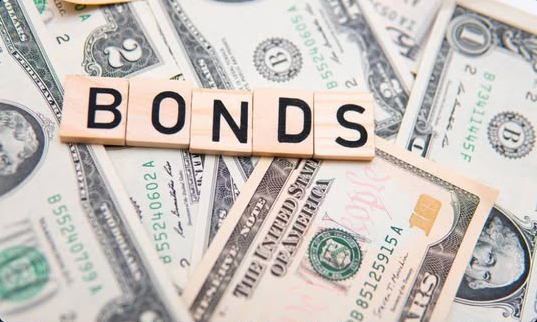
Recently, while the US stock market has slumped sharply, US Treasuries, a traditional safe-haven asset, have not received the expected inflow of funds. Instead, bond prices have dropped and yields have soared. While the market was shocked, it also began to question whether the global risk-aversion logic was undergoing a fundamental transformation. Is there a crack in the risk-avoidance function? When the market is volatile, funds should flow into US Treasuries for safety, pushing up bond prices and lowering yields. However, recently, the 10-year US Treasury yield has risen above 4.5%, and the 30-year yield has even broken through 5% at one point, indicating that not only has the market not rushed in, but it may even be withdrawing from the US Treasury market. There are two major causes behind it Hedge fund liquidation wave: Some funds conduct basis trading with high leverage. As soon as the market fluctuates, they close out a large number of positions and sell bonds, causing selling pressure. Sovereign states' potential sale: Market rumors suggest that China may sell up to 50 billion US dollars of US Treasury bonds as a response to the US's tariff hikes. Although it has not been officially confirmed, market sentiment has been clearly under pressure. Japan was also rumored to be involved, but it was immediately denied. Why did the rise in US Treasury bond yields make Trump change his course? Rising yields mean higher borrowing costs for the government, putting pressure on the property market, corporate investment and the overall economy. Some analysts believe that it is precisely because of the abnormal fluctuations in the bond market that Trump decided to suspend the imposition of tariffs on over 75 countries and only raise them to 125% against China, in an attempt to stabilize financial confidence. Confidence is more crucial than interest rates This incident reflects that in the financial market, apart from price changes, more attention is paid to the underlying flow of confidence. When "safe-haven assets" themselves lose their safe-haven function, funds will be forced to seek new outlets, and the impact may far exceed market expectations. Us Treasuries have fallen out of favor, and funds are bound to seek safe havens elsewhere. Gold, with its stable characteristics, is expected to take over and become the new focus of risk aversion in the market.
2025-04-03
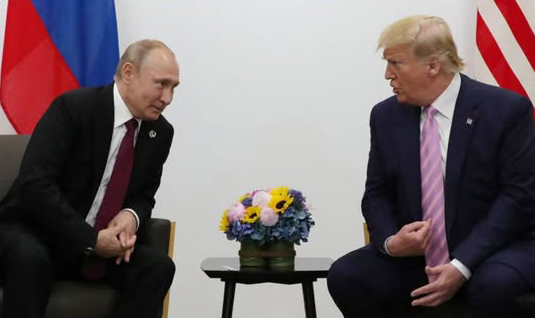
US President Trump recently stated that he is considering imposing a secondary tariff of 25% to 50% on countries that purchase Russian oil. This move has drawn international attention as the policy is not directly targeting Russia but rather pressuring third parties that purchase energy from Russia, thereby increasing diplomatic leverage and reshaping the global energy trade landscape. What is "secondary tariff"? The "secondary tariff" is an indirect sanction measure, imposing additional tariffs on third-party countries such as China, India, and Turkey that purchase Russian oil, in an attempt to undermine Russia's economic interests. What is the policy motivation? Trump believes that Russia's energy revenues fund its military operations. By pressuring its trading partners, it can weaken its financial capacity. This move also aligns with his "America First" stance and demonstrates a tough attitude towards foreign policy and energy policy. Who will be most affected? China and India are highly dependent on Russian oil. If they are taxed, they will face rising import costs. Even though Europe has reduced its reliance, if global supply chains are disrupted, oil prices may fluctuate, adding to the pressure on the global economy. What will be the subsequent impact? If the policy is implemented, it may trigger retaliatory trade measures, and the affected countries are more likely to seek to bypass dollar settlement and accelerate the process of de-dollarization. In the long run, it may shake the United States' economic influence globally. The "secondary tariff" is a strategy that weaponizes economic policies. Its short-term effects may work, but whether it can stabilize the international order in the long run remains to be seen.
2025-03-27
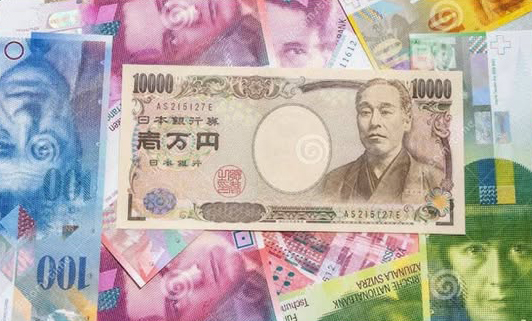
While markets remain focused on when the US Federal Reserve will cut interest rates, Japan and Switzerland, the world's two "low interest rates", have quietly completed a historic role reversal. On March 19th the Bank of Japan kept its policy rate at 0.5%. The next day, the SNB cut interest rates from 0.5% to 0.25%, the fifth cut in a row. The move took Japan's policy interest rate to a rare higher level than Switzerland's, rewriting the traditional perception of global money markets. On the surface is only a technical adjustment, but in fact is a quietly unfolding financial earthquake? Why is this rate reversal worth watching? The global interest rate cycle may have turned Switzerland became the first major central bank to formally cut interest rates in the current round of monetary policy, signaling that some central banks have taken the lead in responding to peaking inflation and economic pressures, sending a signal that a global rate-cutting wave is about to begin. Japan's "ultra-low interest" era is over, and the flow of funds may change Japan's move away from negative interest rates may attract capital back; The traditional "Carry Trade" strategy may also wear thin, triggering a reallocation of funds. Interest rate structure restructuring, asset pricing logic needs to be updated The thinking of "high interest = strong currency" and "low interest = source of risk funds" that investors are used to is being subverted. Funds may re-evaluate the attractiveness of different assets, and assets such as gold, bonds and technology stocks that have the potential to recover in a low interest rate environment deserve renewed attention. What signal does this change send? Japan has left the "zero interest rate country" status, and funds are expected to return to the Asian market The shift to looser monetary policy in Switzerland is putting pressure on European capital allocation The global interest rate structure is beginning to restructure, and the logic of asset pricing has the opportunity to be rewritten This quiet policy shift may be the prelude to a realignment of the global capital landscape.

2025-03-20
One of the core interest battlefields in the Russia Ukraine war is Ukraine's abundant mineral resources, and Zelensky's delayed signing of the mineral agreement is due to several important reasons: The most underestimated mineral treasure trove in Ukraine is crucial for the US new energy, military technology, and semiconductor industries. Lithium: Europe's largest lithium ore reserve, a key material for electric vehicle batteries. Titanium: the fifth largest titanium ore reserve in the world, indispensable to the military industry. Uranium: Europe's largest uranium reserves, affecting nuclear energy supply and military technology. Rare earth: its content can challenge China's monopoly, although it has not been fully developed, its strategic value is extremely high. The United States wants these resources because they are the key to global competition in the next 20 years, and Ukraine holds a large reserve, making it a battleground. Why does the United States want to monopolize Ukrainian minerals? Counter China China controls 60-80% of global rare earth processing capacity, while the United States hopes to reduce dependence and ensure that the supply chain of new energy and military industries is not constrained by China. Countering Russia Russia has long controlled the eastern mining area of Ukraine, and after the outbreak of war, the Russian army quickly occupied mineral rich areas. If Ukraine can regain control after the war and cooperate with the United States, the United States will directly weaken Russia's economic and military strength. Preparation for future wars Rare earths, titanium, and nickel are key materials for F-35 fighter jets, hypersonic weapons, and AI drones. Other countries' reactions? EU: Germany, France, Poland hope to invest in Ukrainian minerals, but the United States is trying to exclude European companies and wants to monopolize resources China: began investing in rare earth and lithium mines before the war. Russia: Military control over the eastern mining area of Ukraine, unwilling to tilt towards the West, to ensure its advantage in mineral competition. Why did Zelensky delay signing the agreement? Strict conditions: The United States may demand a monopoly on Ukrainian minerals, and Zelensky is concerned about becoming a mining colony of the United States. Avoiding falling out with Europe: The EU also wants to participate, and if Ukraine signs the US agreement independently, Europe may reduce post-war aid. War undecided: Eastern Ukraine is still a battlefield, and it is uncertain how many mining areas can be recaptured. It is still too early to negotiate an agreement now. China factor: China is an important trading partner of Ukraine, and Zelensky is unwilling to completely lean towards the United States to avoid affecting bilateral relations. This Ukrainian mineral war is not just a war, but also a global energy and military confrontation between major powers
2025-03-13
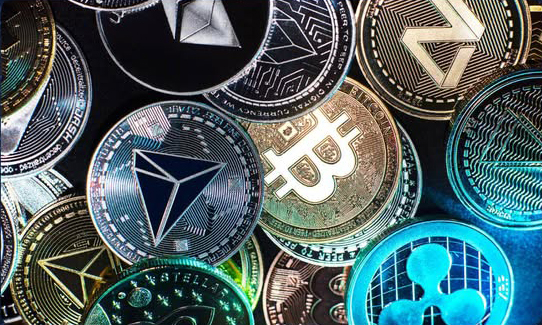
Recently, Trump signed an executive order to establish a strategic cryptocurrency reserve and use government confiscated Bitcoin assets as reserve capital. Unlike traditional gold or foreign exchange reserves, the topic of cryptocurrencies as reserve assets has sparked market discussions. What are the benefits and challenges? The benefits of cryptocurrency as a reserve asset Decentralization - not controlled by a single country or financial institution, avoiding the risks that traditional reserve assets may face. Anti inflation - Bitcoin cannot be infinitely issued like fiat currency to counter the risk of fiat currency depreciation. High liquidity - The cryptocurrency market is open 24/7 and does not rely on intermediaries such as banks, making it more advantageous in cross-border payments and capital operations. High transparency - based on blockchain technology, transactions are open and traceable, reducing the risk of tampering. The Challenge of Cryptocurrency as a Reserve Asset Price fluctuations - The drastic fluctuations in Bitcoin prices pose a significant challenge for countries that require stable reserves. Regulatory uncertainty - Cryptocurrencies have not yet been widely accepted globally, with varying regulatory standards in different countries, and some countries even prohibit their use. Security risks - Although blockchain technology itself is secure, it is still easy to become a target of hacker attacks. How to ensure asset security is a challenge that governments and enterprises around the world need to face. The potential impact of Trump's move Driving Bitcoin Market Growth - The US government's Bitcoin Reserve Plan will boost market confidence in Bitcoin, potentially further pushing up prices Accelerating the process of de dollarization - If the United States successfully includes Bitcoin in its reserves, other countries may follow suit, accelerating global de dollarization and reducing dependence on the US dollar Increasing regulatory pressure - With the increasing international status of Bitcoin, global regulatory agencies may strengthen their supervision of the cryptocurrency market, bringing new compliance challenges. Trump's policy may change the global financial landscape and push Bitcoin to become a more influential reserve asset, but it still takes time and regulatory coordination to truly replace traditional reserves. Future development is worth paying attention to!

2025-03-04
USDT (Tether) has always been the dominant force in the stablecoin market, but there have been constant controversies recently! Binance announced that it will remove USDT and 9 stablecoins from the European Economic Area (EEA) before March 31 to comply with the European Union's Crypto Asset Market Act (MiCA). This further exacerbated the market volatility of USDT, and even briefly experienced a slight decoupling from the US dollar at 1: 0.997. Will USDT follow in the footsteps of LUNA's collapse? Are the United States and the European Union working together to support USDC? Will the stablecoin market experience a major reshuffle? Why does USDT decouple from the US dollar? Opacity of reserve funds USDT has long been questioned by the market due to its opaque asset portfolio, and investors are concerned about the authenticity and stability of its reserves. Regulatory storm hits The US SEC, Treasury Department, and EU MiCA Act impose stricter supervision on USDT, and exchanges implement restrictive measures in advance, compressing the survival space of USDT. Large outflow of funds Institutional investors are accelerating their withdrawal from USDT and shifting towards more transparent regulatory USDC. Even Binance encourages users to exchange USDT for USDC, and the market landscape is rapidly reshaping. US and Europe join forces to support USDC? USDC is issued by Circle and has close ties with US regulatory agencies, providing higher compliance and transparency. The EU MiCA Act and the US Treasury Department both emphasize "regulated stablecoins," which may mean that USDC is becoming the official preferred choice. Regulatory agencies favor USDC, further enhancing its advantages USDT faces greater regulatory risks and its dominant position is in jeopardy. The US and Europe may hope that USDC can replace USDT and gain control over the global cryptocurrency market. If USDT collapses, what impact will it have on the market? Funds may flow towards gold, silver, and other potential beneficiaries. The severe volatility panic of BTCÐ may trigger a wave of selling. Regulatory acceleration of stablecoin reshuffle: funds may shift towards USDC or wait for the emergence of digital dollars (CBDC). USDT is facing regulatory pressure and its position is precarious, while USDC is favored by regulatory agencies. The United States and the European Union may push for more compliant stablecoins and even launch CBDCs. For investors, carefully evaluating their positions and adapting flexibly will be the wisest strategy at present!


