
 en-US
en-US 

 Telegram
 WeChat


2025-02-25
Bybit, the world's second largest cryptocurrency exchange, recently suffered the theft of $1.46 billion in Ethereum (ETH), making it one of the largest hacker attacks in history. Hackers cheat exchange signatories by forging interfaces, tamper with smart contracts, and finally seize control of Cold Wallet and transfer funds to unknown addresses. market response Despite the huge amount of money involved, there was no panic selling in the market: ETH briefly fell by 4%, but quickly stabilized to $2,679. BTC (Bitcoin) rose slightly by 0.3%, indicating that market confidence is still there. Bybit emphasizes the safety of users' funds and normal withdrawal function, which effectively stabilizes market sentiment. Exchange security still needs to be improved. This incident shows that even cold wallets may still be attacked if there are loopholes in internal management or smart contracts. The Exchange should further strengthen in the future: Internal security review and intelligent contract verification to prevent fraud attacks. Stricter multi-signature mechanism reduces the risk of single-point authorization. Strengthen the capital reserve and emergency plan to ensure that there is sufficient coping ability in the face of risks. Future trends and enlightenment The exchange will improve its safety standards and its supervision will be stricter. Decentralize the exchange (DEX) or get attention to reduce the concentration risk. Advances in hacker fund tracking technology may accelerate the recovery of stolen assets in the future. The Bybit incident reminds the market that there is still room for improvement in the security mechanism of the exchange, and investors also need to carefully manage assets and spread risks. With the development of technology and the strengthening of supervision, the security of cryptocurrency market is still expected to be further improved.

2025-02-18
Federal Reserve Chairman Powell said recently: There is no hurry to cut interest rates! Although inflation has dropped, it is still higher than 2%. He also mentioned a key word that the market pays less attention to-"Neutral Rate". This is more important than simply raising or lowering interest rates! What is a neutral interest rate? Neutral interest rate will not stimulate or suppress the equilibrium interest rate of the economy, and ensure the stable economic growth. Interest rate is too low → capital is flooding, economy is overheating and inflation is rising. Interest rate is too high → enterprise investment is reduced, the job market is under pressure and the economy is slowing down. Policy interest rate = neutral interest rate → stable economic growth Policy interest rate < neutral interest rate → monetary policy is still loose. Policy interest rate > neutral interest rate → monetary policy is tight and the economy may be under pressure. Key point: the neutral interest rate cannot be directly observed, and it needs to be calculated through data, so it is both important and mysterious! Why doesn't the Fed directly cut interest rates? Avoid economic ups and downs and maintain stability. Excessive interest rate cuts may lead to bubbles and inflation rebound; Raising interest rates too quickly depresses the economy, and the Fed wants to maintain a balance. Manage market expectations and reduce violent fluctuations. A sharp interest rate cut may make the market overly optimistic and the stock market crazy; Raising interest rates may cause panic. Neutral interest rate makes market forecast more rational. Maintain policy flexibility and leave a way out for the future. If the interest rate is cut too quickly now, once the economy encounters greater challenges, the Fed may not have enough room to deal with it. Therefore, maintain a level close to neutrality and ensure policy flexibility. How does this affect the market? The neutral interest rate rises → the interest rate reduction space narrows, and the stock market and bond market are under pressure. The dollar may remain strong → affect the capital flow in emerging markets. Interest rate sensitive assets need to be reassessed → Real estate, technology stocks, gold, etc. are affected. Simply put, the simple logic of "interest rate reduction = stock market surge" is no longer applicable! Investors should pay attention to how the Fed judges the neutral interest rate in order to grasp the market trend! How should investors respond? Pay attention to Fed meetings and data (especially inflation and employment) Flexible adjustment of investment portfolio to cope with market fluctuations Pay attention to the trend of US dollar and US bond yields and master the flow of funds. Pay attention to "Dot Plot" and gain insight into market expectations.

2025-02-11
Recently, the spot gold price soared to a record high, exceeding $2,900 per ounce, but the market was even more shocked: a large amount of gold was flowing from London to the United States, which led to the Bank of England's gold withdrawal time being extended from a few days to four to eight weeks. This unprecedented physical gold migration is changing the supply and demand pattern of the global gold market. What exactly does this mean? How should investors respond? American gold stocks soared, and London was in a hurry. Since the US presidential election, the New York Mercantile Exchange's gold inventory has soared by 75%, exceeding 3.04 million ounces, with a total value of Comex $85 billion. At the same time, the stock of London gold has been greatly reduced, and the supply is tightening. The waiting time for market participants to withdraw gold has been extended from a few days to 1-2 months. Such changes used to occur only in times of economic crisis. Two factors drive this gold migration tide. Trump tariff doubt cloud The market is worried that the new government's trade policy may affect the import and export of gold, leading investors to hoard gold in advance. Expansion of arbitrage opportunities The spread between Comex gold futures price and London spot gold has widened, and traders arbitrage by transporting gold from London to the United States, driving gold to the United States. Three giants control Comex gold At present, JPMorgan Chase, Brink's Co and HSBC hold more than 82% of Comex's gold reserves (more than 25 million ounces). JPMorgan Chase's gold reserve has the fastest growth, indicating that Wall Street institutions are accelerating their gold hoarding and preparing for the market storm. In the past, only the financial crisis or extremely loose monetary policy would trigger such a large-scale gold hoarding. What does this gold rush mean? The core driving force of this "American gold rush" is not a simple change in trade policy, but the market's uncertainty about the future of the global financial system. Both the financial giants in the United States and the central banks of various countries are accelerating the hoarding of gold to cope with potential market risks and changes in the monetary system. How should investors respond? In this battle for gold, the available supply of physical gold is rapidly decreasing, and the price of gold may continue to rise in the future.
2025-01-14
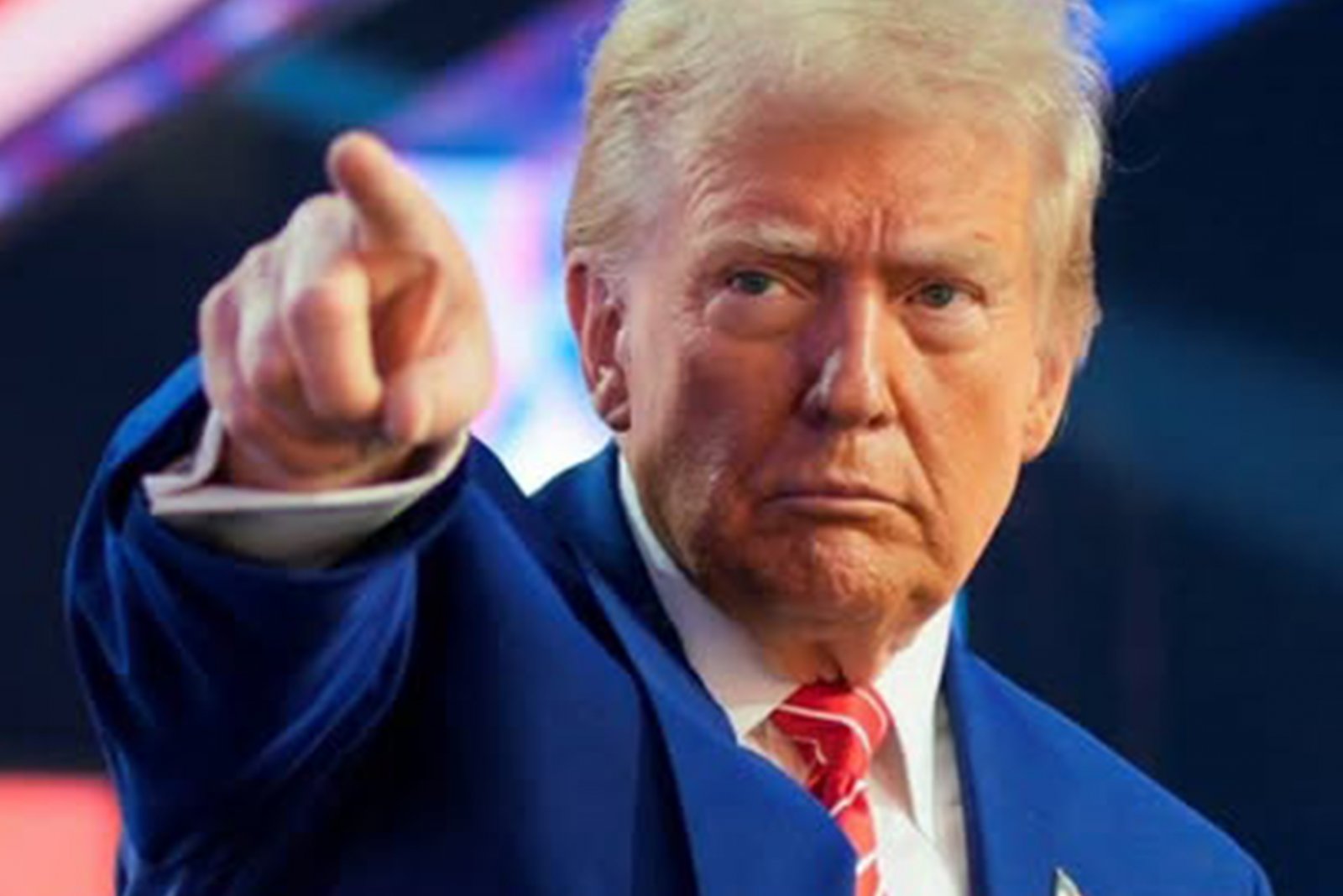
Trump intends to buy Greenland: a game of global geopolitics and economy Trump will take office on January 20. Earlier, he said on TruthSocial that he wanted to acquire Greenland and make Greenland "Great Again". As early as 2019, he proposed the idea of purchasing Greenland, which attracted global attention. This proposal seems bizarre on the surface, but there are many reasons behind it: Geopolitics and military strategy: Greenland, located in the Arctic Circle, is the gateway to the Arctic, which is of great significance to the North Atlantic waterway and military deployment. The United States hopes to strengthen its influence in the Arctic and counter the expansion of Russian and China forces. Rich natural resources: Greenland is rich in rare earth, iron ore, uranium and other important resources, which are very important for high-tech and military industry. At the same time, Greenland also has undeveloped oil and gas resources, which helps the United States reduce its dependence on foreign resources. Economic potential of climate change: With global warming, Greenland's melting glaciers will bring more exploitation opportunities, and open up new Arctic waterways to enhance its economic value. Tourism and scientific research: The unique natural environment attracts tourists from all over the world and provides valuable conditions for polar and climate research. Although Trump's vision shows the strategic ambition of the United States, the plan failed to be realized in the end. The reasons include: Sovereignty: Greenland is an autonomous territory of Denmark with a high degree of autonomy, and the Danish government has no intention of selling it. Opposition from the people of Greenland: local residents are proud of their culture and identity and do not want to become "commodities" of the United States. Pressure from international public opinion: The proposal was regarded by the international community as not conforming to modern international norms and was widely criticized. Although the plan to buy Greenland was rejected, it highlighted the importance of the Arctic region. The increasing concern of the United States and other big countries about Arctic resources and strategic position has also prompted Denmark to strengthen its support and investment in Greenland.

2025-01-07
January Effect is a well-known seasonal phenomenon in the stock market, which means that the stock market often performs well in January every year, especially the return rate of small stocks is more prominent. This phenomenon has attracted the attention of investors and economists for a long time, but the reasons behind it and its authenticity are still controversial. The origin of January effect January effect was first put forward by investment researchers in the 20th century. They found that historical data showed that January's stock market performance was usually stronger than other months, especially in small stocks. This phenomenon is considered to be driven by the following factors: The reversal of selling pressure at the end of the year: investors will sell the loss-making stocks at the end of December for tax reasons, and then relocate in January to push up the stock price. New capital enters the market: With the beginning of the new year, institutional investors and individual investors usually invest more money to drive the market upward. Outstanding performance of small stocks The January effect is particularly evident in small-cap stocks because: Small-cap stocks are less liquid and their prices are more susceptible to capital inflows. When investors liquidate their positions at the end of the year, they usually sell small stocks with poor performance and buy them again in the new year, resulting in a price rebound. The authenticity of the January effect Market efficiency is improved: with the increase of market information transparency, arbitrage opportunities are reduced, and the influence of January effect is gradually weakened. Global Marketization: In the context of the increasing linkage of global capital markets, the January effect is not as good as expected in non-American markets. How should investors deploy? The January effect may provide trading opportunities for short-term investors, but it is not inevitable every year. Investors should pay attention to the following points when taking advantage of this phenomenon: Choose small stocks with good fundamentals to avoid blindly chasing up. Pay attention to the macroeconomic background of the market, such as whether economic data and policy trends support the market recovery. Rational judgment should not rely entirely on seasonal effects to make investment decisions. Enlightenment of January effect January effect is an interesting market phenomenon, which reflects the seasonal characteristics of investor behavior and market fluctuation. Although its influence may weaken over time, it still provides investors with a window to observe market sentiment and trends. In the future, with the further evolution of the market, the January effect may appear in a new form.

2024-12-31
In 2024, the global foreign exchange market changed rapidly and experienced multiple challenges and opportunities! Global economic instability, the US presidential election and the adjustment of monetary policies of major central banks have become the main factors driving the fluctuation of foreign exchange markets. Here are some highlights of this year's foreign exchange market: Dollar: a year of ups and downs The dollar performed repeatedly in 2024. At the beginning of the year, the dollar weakened against major currencies because the market expected the Fed to end the interest rate hike cycle and start to cut interest rates. However, with the election results settled, investors were optimistic about the possible protectionist policies adopted by the new government, and the dollar rebounded again at the end of the year, showing its strength. Sterling: Steady progress. With the support of the Bank of England's patient and prudent monetary policy, the pound performed well throughout the year. Although the market expected to cut interest rates, the stability of the British economic fundamentals and the market's confidence in it kept the pound relatively strong. Euro: Faced with Multiple Pressures The euro experienced a year full of resistance in 2024. The European Central Bank adopted a radical easing policy, which further widened the spread with the US dollar and the British pound, putting pressure on the exchange rate of the euro. At the same time, the euro zone's high dependence on global trade has made the uncertainty of US trade policy a major concern, and the euro was further under pressure at the end of the year. Yen: mixed. The Bank of Japan raised its benchmark interest rate to 0.25% in 2024, a record high since 2008, providing much-needed support for the yen. However, concerns about the potential trade policy of the United States have limited the rising space of the yen, causing its annual performance to fluctuate. Commodity market: gold and silver are prominent, and oil is depressed. Precious metals such as gold and silver were particularly eye-catching in 2024, with increases of over 30% and 35% respectively, mainly supported by geopolitical tensions and economic uncertainties. At the same time, due to weak demand and oversupply, the oil market continues to be depressed and has become a major anomaly in the market. In 2024, the foreign exchange market showed extraordinary volatility in the context of global economic and political turmoil. Looking forward to 2025, with the further adjustment of monetary policies of major central banks and the continuous influence of geopolitical variables, investors need to maintain a high degree of flexibility and keep close to market dynamics to seize new opportunities!

2024-12-24
The euro zone is composed of 19 EU member states that use the euro, and its goal is to promote economic growth and intra-regional unity through monetary unification. However, this grand blueprint is not smooth sailing, internal contradictions are gradually emerging, and some countries even regret joining the euro zone. Main reasons: Lose monetary policy autonomy After joining the euro zone, countries need to accept the unified monetary policy formulated by the European Central Bank (ECB), but there are great differences in the economic conditions of member countries, such as Germany, which has strong economic strength and tends to have a stable monetary policy (low inflation). Greece and Spain need more easing policies to stimulate the economy. This kind of policy disharmony makes countries with weak economies lose the flexibility of adjustment in the face of internal crises. Economic structure difference There are obvious differences in the economic structure of the member countries of the euro zone, for example, the northern countries have strong industrial base and outstanding export competitiveness. However, the southern countries mainly focus on tourism, agriculture and other service industries, and their competitiveness is relatively low. With the introduction of a unified currency, southern countries have lost the advantage of currency devaluation, and it is difficult for their exports of goods and services to remain competitive, and the trade deficit continues to expand. Fiscal discipline and debt problem The euro zone requires member countries to abide by strict fiscal discipline, such as the deficit should not exceed 3% of GDP. However, some countries (especially Greece) failed to effectively control public expenditure, which eventually triggered the sovereign debt crisis in 2010. The gap between people's living standards has widened. Although the unification of the euro has improved the export competitiveness of the northern countries, the wealth is concentrated in the north. Relatively speaking, the economy of southern countries is stagnant, the unemployment rate is high, the income growth of residents is slow, and the confidence in the euro is declining. Politicians in some southern European countries, such as Greece, Spain and Italy, believe that joining the euro zone has dragged down the domestic economy. It is pointed out that if the domestic currency is retained, the export competitiveness can be enhanced through depreciation; Avoid being constrained by the EU's fiscal austerity requirements. Greece has repeatedly talked about leaving the euro zone (namely "Grexit"), but it has not been realized because of the extremely high exit cost. Although the euro zone faces many challenges, the cost of leaving the euro zone is too high, and most countries will still choose to stay in the system. How to narrow internal differences will be a big test in the future.

2024-12-17
At the end of every year, there is always a heated discussion on a phenomenon in the financial market-Santa Rally. Will Santa Claus give investors a red return? Or is it just a combination of market psychology and holiday atmosphere? What is the Christmas market? Christmas market refers to the phenomenon that the stock market tends to rise from the end of December to the beginning of January. In the past few decades, the US S&P 500 index recorded an annual rising probability of over 70% during this period. This short-lived optimism made investors full of expectations. However, there are many factors hidden behind this. The reason behind it The first is the fund manager's "window dressing" behavior. At the end of the year, fund managers tend to buy stocks that performed well during the year to beautify the year-end report and attract more investors' funds. Secondly, the festive atmosphere also played a role. Christmas holidays usually reduce market trading volume and volatility, and investors are generally optimistic, which helps the stock market to rise. Historical data shows that the Christmas market does exist. For example, in the past 50 years, the stock market performance in December was better than the annual average in most years. However, there are exceptions. For example, during the financial crisis in 2008, the market did not welcome this "Christmas gift". Comparison of performance in different markets Christmas market shows different performances in different markets, among which US stocks are the most stable. Since 1950, the S&P 500 index has risen by more than 70% from Christmas to New Year, with an average increase of about 1.5%, especially in retail and technology stocks. The Christmas market of Hong Kong stocks is relatively unstable, and its performance is unpredictable due to the cash flow at the end of the year. In Europe, the FTSE 100 index in Britain has a rising probability of about 60%, with an average increase of about 1.2%, but its overall performance is slightly inferior to that of US stocks. Should we chase the Christmas market? Although the data is encouraging, investors should treat this phenomenon rationally. Christmas market is a short-term market behavior, which is not inevitable every year. Investors should pay attention to economic fundamentals and market news when chasing Christmas market. For example, recent weak economic data may drag down stock market performance. In addition, the low trading volume during holidays is easy to cause sudden fluctuations. Remember, rational analysis is more important than chasing "miracles". Whether Santa Claus will bring rich returns again this year, we will wait and see!

2024-12-10
The State Administration of Foreign Exchange announced that the mainland's gold reserves reached 72.96 million ounces at the end of November, an increase of 160,000 ounces over the previous month. This is the first time that China has increased its holdings after maintaining the scale of its gold reserves for six consecutive months. What is the deep intention behind this move? What are the implications for the market? Geopolitical considerations With the US dollar being "weaponized" in the international financial system, China is facing the challenge of US dollar risk. Gold, with its borderless and anti-inflation characteristics, has become a natural option to hedge the risk of the US dollar. Diversified allocation of foreign exchange reserves is one of the important strategies for China to cope with the international financial pressure. Strategic stability Gold does not depend on the credit of any country, and its value is not affected by international sanctions or fluctuations in the liquidity of the US dollar. For China, this has provided a stable barrier for possible international financial risks and enhanced financial flexibility in the future. Promote RMB international Gold reserve is one of the important cornerstones of national currency credit. By increasing its holdings of gold, China can further strengthen the position of RMB as a reserve currency, attract more countries to settle accounts in RMB, and thus reduce its dependence on the US dollar. Coping with the future monetary system reform With the rise of digital currency, the central bank, gold reserves can also be used as the underlying supporting assets of digital RMB, providing it with higher stability and international credibility. Impact on the market: Although the scale of China's increase in gold holdings is relatively limited, which has little direct impact on the price of gold, this move will further increase the market demand for gold, and may trigger other countries and institutional investors to follow suit and form a positive feedback effect.

2024-12-03
At the moment of global economic turmoil, the demand for investors to seek hedging tools continues to grow. The stable currency supported by gold, which combines the value stability of gold with the high liquidity of blockchain technology, has quickly become the focus of the market. Can this emerging market really be as stable as gold, or are there hidden risks? The stable coins supported by gold, such as Paxos Gold(PAXG) and Tether Gold(XAUT), are essentially digital tokens, and their value is linked to physical gold. This kind of stable currency claims that every token held by investors is equivalent to having the same amount of physical gold reserves. This is an ideal choice for investors who want to balance risk aversion and convenience. Especially under the pressure of high inflation and currency depreciation, the attraction of stable currency supported by gold is more obvious. Common uses of stable currency: Transaction and payment: Stable currency can be used for cryptocurrency transactions, providing more stable value than digital currency such as Bitcoin. Hedging and asset storage: Because of its stability, stable currency is often used to hedge and avoid price fluctuations of other cryptocurrencies. DeFi application: stable currency is widely used in decentralized finance, which can be used for lending, trading or as collateral. The core attraction of gold stable currency lies in three points: Hedge property: Gold has always been regarded as a "safe harbor" against market turmoil, and stabilizing the currency further reduces the obstacles to trading and storing gold. High liquidity: Based on blockchain technology, investors can quickly exchange assets in the global market. Innovative financial instruments: It provides a flexible choice for decentralized investment, especially in the application fields of cross-border payment and decentralized finance (DeFi). A stable currency backed by gold is not without risk. Are these tokens really supported by enough physical gold? Although some issuers provide third-party audit reports, the cornerstone of market trust is still weak. The liquidity of stable coins backed by gold in the exchange is obviously lower than that of stable coins backed by legal tender (such as USDT), which may affect its investment attraction. Although the price of gold is relatively stable, it will still fluctuate due to changes in economic data and monetary policy, which will indirectly affect the value of these stable coins. For investors, stable currency backed by gold can be used as a part of asset portfolio to spread risks, but it should be avoided as the only hedging tool. Before allocating such assets, we should choose products that are supported by transparent resources and can circulate in major markets, which can effectively reduce potential risks. With the gradual maturity of the market, the investment opportunities brought by the combination of gold and digital currency in the future cannot be ignored.

2024-11-26
Trump decided to nominate Scott Bessent, the founder of Key Square Group, as the US Treasury Secretary, as the person in his cabinet ranking second only to the Secretary of State. His background and policy orientation reveal important clues about the future direction of American economy. Scott Bessent, a top investor on Wall Street. He is famous for his macro-investment ability. He joined Soros Fund Management Company in his early years and participated in the world-famous "attack on the pound" action. This operation made George Soros make a big profit of $1 billion, and also established Besant's position in the financial world. Subsequently, as the investment chief of Soros Fund, he accurately bet on the depreciation of the yen, which once again proved his keen insight into the global market. Besant's economic policy is regarded as a continuation of Trump's "America first" strategy, which has the following core characteristics: Support trade protectionism: encourage taxation on imported goods, aiming at reviving American manufacturing. Promote energy independence: It is planned to substantially increase oil production, reduce external energy dependence and enhance domestic energy competitiveness. Tax system and regulatory reform: advocate simplifying the tax system, reducing the tax burden, and relaxing the supervision of the financial industry to stimulate bank lending and enterprise investment. Emphasis on fiscal discipline: "3-3-3 policy" will become its administrative goal, that is, reducing the fiscal deficit to 3% of GDP, achieving an annual economic growth of 3%, and increasing the daily oil production by 3 million barrels. In particular, he advocated reducing the fiscal deficit, promoting tax reform and strengthening financial deregulation to create more possibilities for economic growth. It remains to be seen whether Besant's administration can deal with the US debt problem and promote economic growth. For investors, paying attention to his policy direction is the key to formulating strategies.

2024-11-19
U.S. national debt exceeded $36 trillion and increased by $1 trillion in just four months. This figure not only represents the debt of the US government, but also profoundly affects the global economy, financial markets and monetary policy. The impact of global economic growth As the world's largest economy, the expansion of US Treasury bonds will directly or indirectly affect the global economy. As the government's debt service burden increases, the government will reduce its spending space in other areas, which will weaken the potential of American economic growth and affect global trade and investment. In the long run, if the debt cannot be effectively controlled, it may force the United States to carry out fiscal austerity and create uncertainty in the global market. Fluctuation of capital market The continuous growth of US debt may also trigger fluctuations in the capital market. Investor confidence will be affected, especially when the scale of national debt issuance and interest rates rise. The rising interest rate of national debt may increase the borrowing cost of enterprises and consumers, and then affect the performance of the stock market and other capital markets. If the United States cannot effectively manage its debt problem, the market may worry about the risk of government default, which will lead to capital outflow and further aggravate the instability of the financial market. The Dilemma of Monetary Policy The US debt problem also poses a challenge to monetary policy. The expansion of debt makes it possible for the United States to raise interest rates to cope with inflationary pressures. However, raising interest rates may inhibit economic growth, especially the impact on borrowing costs. On the contrary, if the interest rate remains too low, it may further promote the growth of national debt and cause long-term inflationary pressure on the economy. The United States needs to find a balance between stabilizing monetary policy and controlling the expansion of national debt. Investment opportunities and risks For investors, the growth of national debt brings both risks and opportunities. With the rising interest rate of national debt, investors may be attracted to further invest in national debt in the short term. However, the market's concern about the default risk of the United States may affect its position as a safe-haven asset, which makes investors need to carefully analyze the risks. The expansion of US debt will pose a challenge to the stability of global financial markets. Investors need to pay attention to market changes and adjust their investment strategies reasonably to cope with risks and seize potential opportunities.
2024-11-12
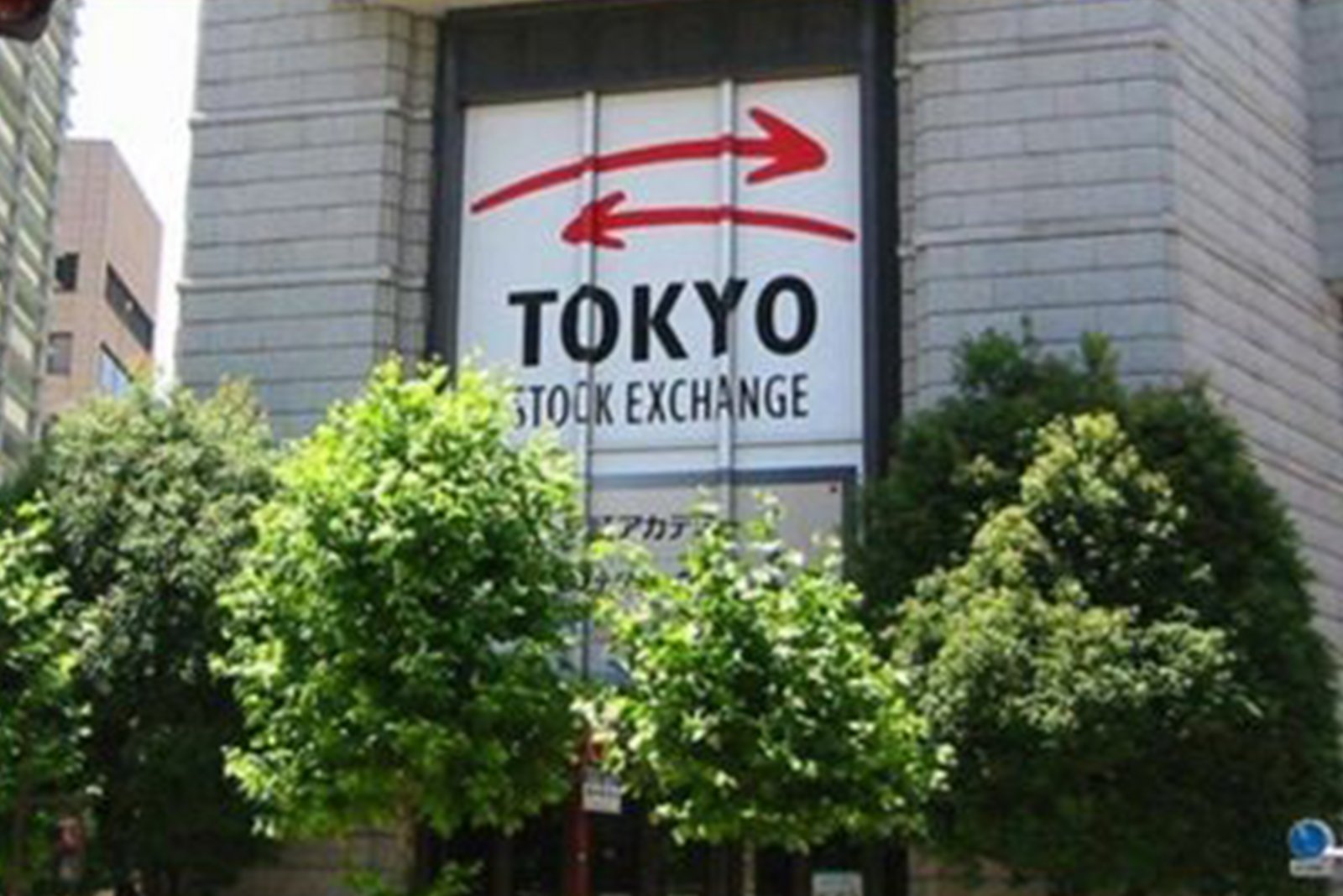
The Tokyo Stock Exchange (TSE) recently announced that it will extend the daily trading hours by half an hour to 3: 30. This means that the full-day trading time of TSE will be increased to 5.5 hours. Why do global exchanges start to scramble to "extend the time"? Tokyo stock exchange The latest adjustment in Japan's stock market is not only the extension of trading hours, but also the addition of a "closing bid" period. The stock index futures of Osaka Stock Exchange were also extended for 30 minutes. TSE said that this reform is to adapt to market changes, meet the needs of investors and enhance its international competitiveness. From the data point of view, as of March 2024, the average daily trading volume of TSE was about 5 trillion yen, up 30% year-on-year, indicating that extending the trading time is really helpful to improve market participation and trading volume. America's super-long trading plan Not only Japan, but also the global exchanges are extending the trading hours. NYSE Arca, a subsidiary of the new york Stock Exchange, plans to extend the trading hours to 22 hours, starting at 1: 30am EDT and continuing until 11: 30pm. All stocks, ETFs and closed-end trading funds listed in the United States will be subject to this "22-hour" trading system, which is open almost all day and is awaiting the approval of the regulatory authorities. This move reflects the increasing demand for gold cryptocurrency and other 24/7 asset transactions in the market. NYSE hopes to adapt to this change and attract more international funds. The strategy of extending the Asian market In Asia, Singapore has the longest trading hours, 8 hours a day, followed by Hong Kong stock market and extended Tokyo stock market, both of which are 5.5 hours. The A-share market is also considering extending the trading hours to increase the trading overlap with Hong Kong stocks and improve the linkage between the two markets, thus attracting more international investors. These changes show that the major exchanges in the world have adapted to the needs of all-weather trading and made strategic adjustments in the face of fierce competition. With the globalization of the market and the increasing demand for all-weather trading of assets, it has undoubtedly become a new trend to extend the trading time.
2024-11-05
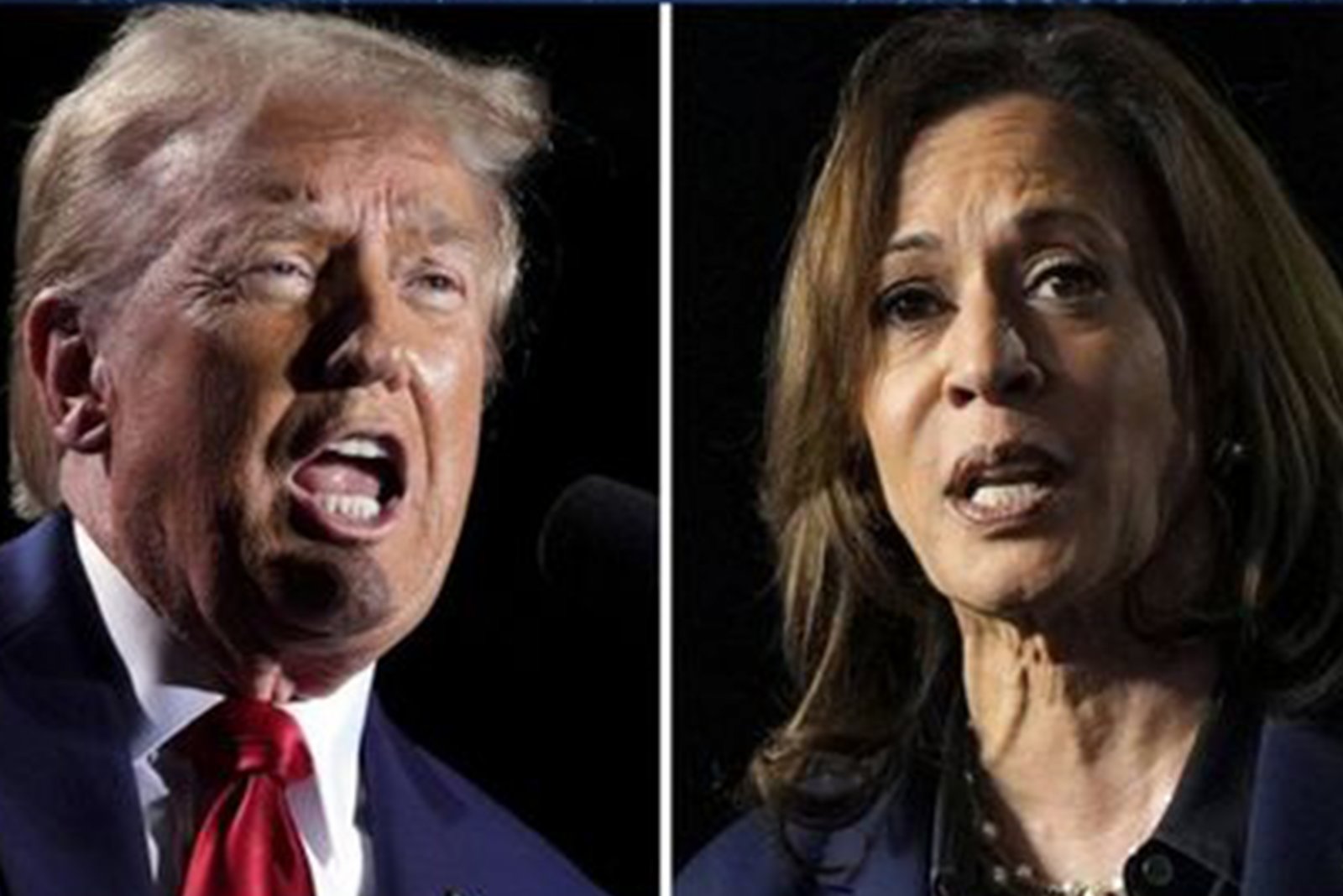
The latest poll in the US election shows that Trump and Kamala D. Harris are neck and neck in support rate, while the Republican Party and the Democratic Party have great differences in policy stance. This election is not only a political dispute, but also a catalyst for social differentiation. With the social polarization, people are gradually trapped in the "information cocoon", and only receive information consistent with their own views from news and social media, which further strengthens prejudice, makes both sides misunderstand and even be hostile to each other, and brings potential risks to the American economy. Difficulties in policy implementation The fierce opposition between the two parties on issues such as taxation, medical care and welfare has made policy promotion a difficult problem. Differences in positions lead to delays in discussions and decisions that cannot be passed quickly, leaving enterprises with no choice but to "stay put" in the face of the uncertainty of future policies. This stalemate makes economic growth weak and will weaken the economic foundation of the United States in the long run. The problem of racial and social justice has worsened. The issues of race and social justice have become the focus of opposition in elections, deepening social cracks and triggering conflicts and unstable factors. The government is forced to increase public security expenditure to maintain order, increase the financial burden, and weaken the investment in economic construction and development, further affecting the country's long-term economic investment. Fluctuation of foreign policy The key position of the United States in the global supply chain makes its policy changes affect the international market. Polarization makes American foreign policy vacillate, especially the position change towards China, Russian Federation and European Union, which makes the global market full of uncertainty. It is difficult for American trading partners to predict the policy direction, and enterprises are faced with unstable trade and tariff policies. The decline in investment confidence further aggravates market risks. Understanding these challenges will help to assess the future growth pressure of the American economy and enable us to plan our coping strategies better.

2024-10-29
In the latest policy address of Hong Kong, it is proposed to build an international gold trading center and an ecological circle for commodity trading. The Financial Secretary, Chen Maobo, stressed that this plan will activate the local economy and promote the coordinated development of trade, logistics, insurance and other fields, thus adding new vitality to the Hong Kong economy. Gold trading center Hong Kong will start with the expansion of gold storage facilities and increase the storage and transportation capacity of gold to support more international gold circulation demand. This infrastructure will promote the development of related industries, such as trade and logistics, and help Hong Kong play a more important role in the global gold market. In the future, Hong Kong will also launch a variety of gold financial products, including mortgage, lending and hedging tools, to enhance the flexibility and attractiveness of the market and make Hong Kong a gold market hub connecting global investors. Ecosphere of bulk commodity trading LME, a subsidiary of HKEx, plans to set up an internationally certified warehouse in Hong Kong to realize local delivery of non-ferrous metals and other commodities, which will provide convenient trading support for the Asian market and significantly reduce transaction costs and delivery time. With the gradual landing of storage facilities, Hong Kong will gradually form a trading ecosystem covering a variety of commodities, further enhancing its position as a commodity hub in Asia. Expected impact These policies and measures will greatly enhance Hong Kong's competitiveness in the gold and commodity markets. With the development of these two markets, Hong Kong is expected to attract global investment and trading activities, and gradually become the trading center of gold and commodities in Asia, helping the long-term development of regional economy and consolidating Hong Kong's regional competitiveness.

2024-10-22
The 2024 BRICS Summit will be held in Russia from October 22nd to 24th. One of the focuses is to discuss whether the BRICS countries will launch their own settlement and payment systems, which may challenge the dominant position of the SWIFT system. This move may change the global financial structure, especially weaken the leading position of the US dollar in international trade. Russian SPFS system and China CIPS system are regarded as alternatives, and these two systems have been gradually applied to cross-border payment within BRICS countries. SWIFT system Swift (Society for Worldwide Interbank Financial Telecommunication) is currently the most widely used financial information transmission system in the world. It helps banks to transfer cross-border payment and transaction information. Although SWIFT itself does not handle funds, it is the main tool for banks to exchange payment instructions. Because of its wide coverage and high security, SWIFT is currently the standard of international financial transactions. SPFS system SPFS (System for Transfer of Financial Messages) is a financial information transmission system introduced by Russia in 2014 to replace SWIFT. The purpose is to deal with western economic sanctions against Russia. The function of SPFS is similar to that of SWIFT, but its international influence is small. With the strengthening of cooperation among BRICS countries, SPFS is expected to attract other countries to join and form a regional financial network. CIPS system CIPS (Cross-border Interbank Payment System) is a cross-border RMB payment system launched by China in 2015, aiming at promoting the internationalization of RMB and reducing the dependence on SWIFT. Although CIPS cooperates with SWIFT to transmit information at present, the long-term goal is to become an independent global payment system. With the increasing economic influence of China in the world, more and more countries begin to use CIPS for trade and investment settlement. If the BRICS countries successfully launch their own settlement and payment system, and can be accepted by the global market, it will bring a huge impact on the US dollar and weaken its position in international finance.

2024-10-16
Recently, the strong policy support of the mainland government has driven Hong Kong stocks to pick up. In the past two weeks, the market has continued to rise, and the volume of transactions has increased significantly. The "fear of missing out" (FOMO) sentiment in the market has gradually increased. What is the FOMO in investment? FOMO means that investors make impulsive and insufficiently analyzed investment decisions for fear of missing out on potential market gains. This sentiment is often aggravated when the market fluctuates or rises rapidly, which makes investors ignore risks and rush to enter the market. Driving factors Market volatility brings anxiety: no matter whether the market goes up or down, violent fluctuations may arouse investors' fear of missing. The illusion of continuous profit: when the market continues to rise, investors tend to have wrong expectations and ignore potential risks. Vicious circle of losses: continuous losses make investors repeatedly enter and leave the market, and eventually increase losses. Influence of rumors and news: Gossip in the market makes investors feel that they have missed the opportunity, leading to over-impulsive decision-making. Misleading of social media: Successful cases of social media can easily make investors have unrealistic self-confidence. Strategies to overcome FOMO Only by facing up to FOMO psychology can we remain calm and respond to the market. Avoid emotional transactions and stick to rational analysis. Don't blindly follow the success stories on social media, but do your own full research. Write a transaction log to reflect on past decisions and identify and correct wrong behaviors. Good risk management helps to reduce the losses caused by impulsive trading.
2024-10-08
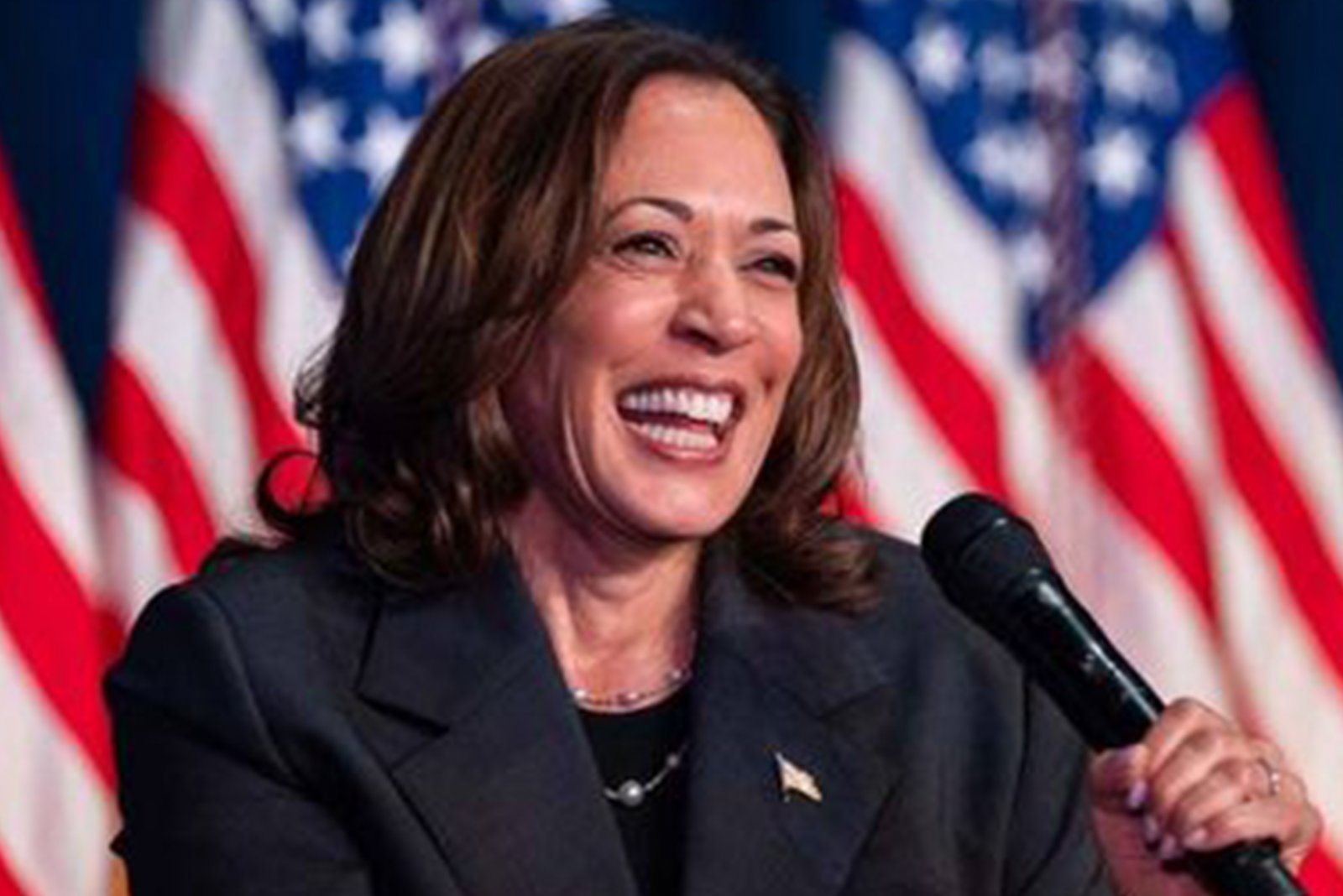
As the US presidential election enters the countdown stage, the market is concerned about how the expectation of possible policies will affect the US economy and the global market after the election of the "Kamala D. Harris Deal". The following are several focuses on Kamala D. Harris's policy proposition and its possible market impact: tax policy Kamala D. Harris's tax policy provides tax breaks for low-and middle-income families, especially through the Middle Class Promotion Act, which provides a monthly tax rebate of $500 for families earning less than $100,000. For high-income groups and enterprises, she advocates increasing taxes, especially inheritance tax, to support her salary increase plan for teachers. This policy is expected to promote the development of consumer stocks and small and medium-sized enterprises. Export and trade policy She opposes Trump's protectionism and believes that tariff policy has increased the cost of living for the American middle class. She advocates promoting American exports, especially in science and technology and manufacturing, reducing trade barriers and improving the competitiveness of American enterprises in the global market. If elected, her trade policy will benefit those export-dependent multinational companies and related ETF funds. Clean energy policy On climate policy, Kamala D. Harris is more active than Biden. She vigorously promoted the policies of the Inflation Reduction Act (IRA) and supported more investment in clean energy. At the same time, she advocates strengthening the supervision of fossil fuel enterprises and promoting a significant reduction in carbon emissions. These measures will bring great benefits to solar and wind energy companies in the renewable energy industry and may attract more funds to related industries. Housing and rent relief In order to solve the housing burden problem, Kamala D. Harris proposed the Rent Relief Act, which helps tenants whose annual income is less than $100,000 through tax credit. This policy will reduce the housing pressure of tenants and have a positive impact on the real estate industry in the United States, especially the low-priced housing market. Artificial intelligence and cryptocurrency Kamala D. Harris said that she would encourage innovative technologies such as AI and cryptocurrency. For artificial intelligence (AI), she stressed that enterprises need to ensure its security when introducing new technologies. For cryptocurrency, both consumers and investors need to be protected.

2024-09-25
American housing sales data not only directly reflect consumers' purchasing power and confidence, but also are closely related to economic growth, job market, interest rate and other factors. Investors and economists will refer to the data to predict the future trend of the economy and whether the housing market is in a boom or recession stage. New home sales data Refers to the newly built and first-time sale of residential data is usually more volatile than the existing home sales data. The increase in new home sales represents strong demand for real estate, which is often related to the stability of the job market and income growth. At the same time, the sales of new houses will also promote the development of related industries such as building and household goods, so the sales growth of new houses is often regarded as the leading indicator of economic growth. Existing home sales data The transaction quantity and data of second-hand houses reflect the demand for buying houses in the overall market, and are usually more stable than the sales of new houses, with larger sales volume and wider influence. When the data increases, it shows that consumers have high confidence in the housing market and can bear the current housing prices and loan interest rates. On the contrary, weak existing home sales may suggest that consumers are beginning to feel the impact of economic pressure or rising mortgage costs. Inventory of houses for sale It is also an important reference data. If the inventory is low, it will usually push up the house price because there is insufficient supply in the market. However, if the inventory increases significantly, it may indicate weak demand and even indicate that house prices will fall. Housing sales data are closely related to many economic indicators, such as employment data, consumer confidence, inflation rate and salary growth. For example, when the housing sales increase, the interest rate is relatively low and the job market is strong, which means that the economic growth is stable and the real estate has good investment potential. On the contrary, the decline in housing sales and the rise in interest rates, while the weak job market, may indicate that the housing market will further weaken and the risk of economic slowdown will increase. Therefore, when interpreting the data, we can predict the future trend of the housing market and the overall economy more accurately and formulate more effective investment and economic strategies by combining various aspects for analysis.

2024-09-18
As the Federal Reserve is about to enter the interest rate reduction cycle and the tension caused by the US election, the market risk aversion has risen sharply to push up the price of safe-haven assets and the price of gold has soared! The price of gold once reached $2,580 per ounce, a record high. Gold is not only popular with investors, but also has a large amount of gold reserves by central banks. The reasons behind this are as follows: Dealing with geopolitical and economic instability For example, the trade friction between the United States and China and the conflict between Russia and Ukraine have aggravated the international tension. The central bank chose to spread risks by increasing its holdings of gold to maintain the security of international reserves. Hedge dollar risk With the continuous high debt level and loose monetary policy in the United States, the confidence of the global market in the US dollar has weakened. The central bank hedges the risk of dollar depreciation by increasing its holdings of gold and reduces its dependence on the single currency reserve. Anti-inflation and demand for value preservation After the outbreak, the supply chain bottleneck caused by the economic restart and the rise of energy prices continued to rise. The central bank increased its holdings of gold to counter the risk of devaluation of the domestic currency due to inflation and ensure the stability of the value of its asset reserves. Promote the process of dollarization More and more countries seek to reduce their dependence on the US dollar. As an international asset, gold is not affected by a single national policy to increase its holdings of gold to replace some US dollar reserves, thus reducing the risks brought by external sanctions or market turmoil. Maintain international credibility and financial stability Increasing the holdings of gold can make the central bank have more responses when the financial market fluctuates, further consolidate the stability of the domestic monetary system and increase its ability to resist external shocks. Gold reserves are regarded as a symbol of the country's economic strength. With the uncertainty of the global economy and the potential weakness of the US dollar, the central bank may continue to increase its holdings of gold. For individual investors, this also shows that the attractiveness of gold as a long-term stable asset is still strong.


