
 en-US
en-US 

 Telegram
 WeChat


2024-09-10
During the "September curse" period, investors often turned to safe-haven assets to counter market fluctuations, and gold was one of the most popular choices. As a traditional hedging tool, gold usually attracts a large amount of capital inflows when market uncertainty and risks increase. What is the September curse? The "September Effect" refers to the fact that global stock markets generally perform poorly in September and often fall. According to the stock market data of the past decades, the average return rate of the Standard & Poor's 500 index in September is usually lower than that in other months of the year, and even the probability of losses is higher. The "September curse" is not an absolute law, but statistics show that the stock market in September has always fluctuated greatly. The origin of the September curse: There is no single definite reason behind it, and the market has put forward several possible explanations: Seasonal factors: Many large institutional investors will rebalance their portfolios at the end of September, which usually leads to an increase in the selling pressure of stocks, which in turn depresses the stock market. Market sentiment: Historical data shows that investors' expectations for September are generally conservative, and this negative sentiment may make the stock market more vulnerable to pressure. Summer effect: After the summer, the market activity increased, and investors began to re-examine economic data and corporate performance, which may bring adjustment pressure. When the "September curse" came, the stock market volatility increased, so it is very important to choose the right investment products to protect assets or find opportunities. Investors can use gold to hedge risks and even seize market opportunities during the low tide of the stock market. In addition, bonds, defensive stocks and reverse ETFs also provide good choices. The most important thing is to make flexible allocation according to your own risk tolerance, so as to maintain a sound investment strategy in the market fluctuation in September.
2024-09-04
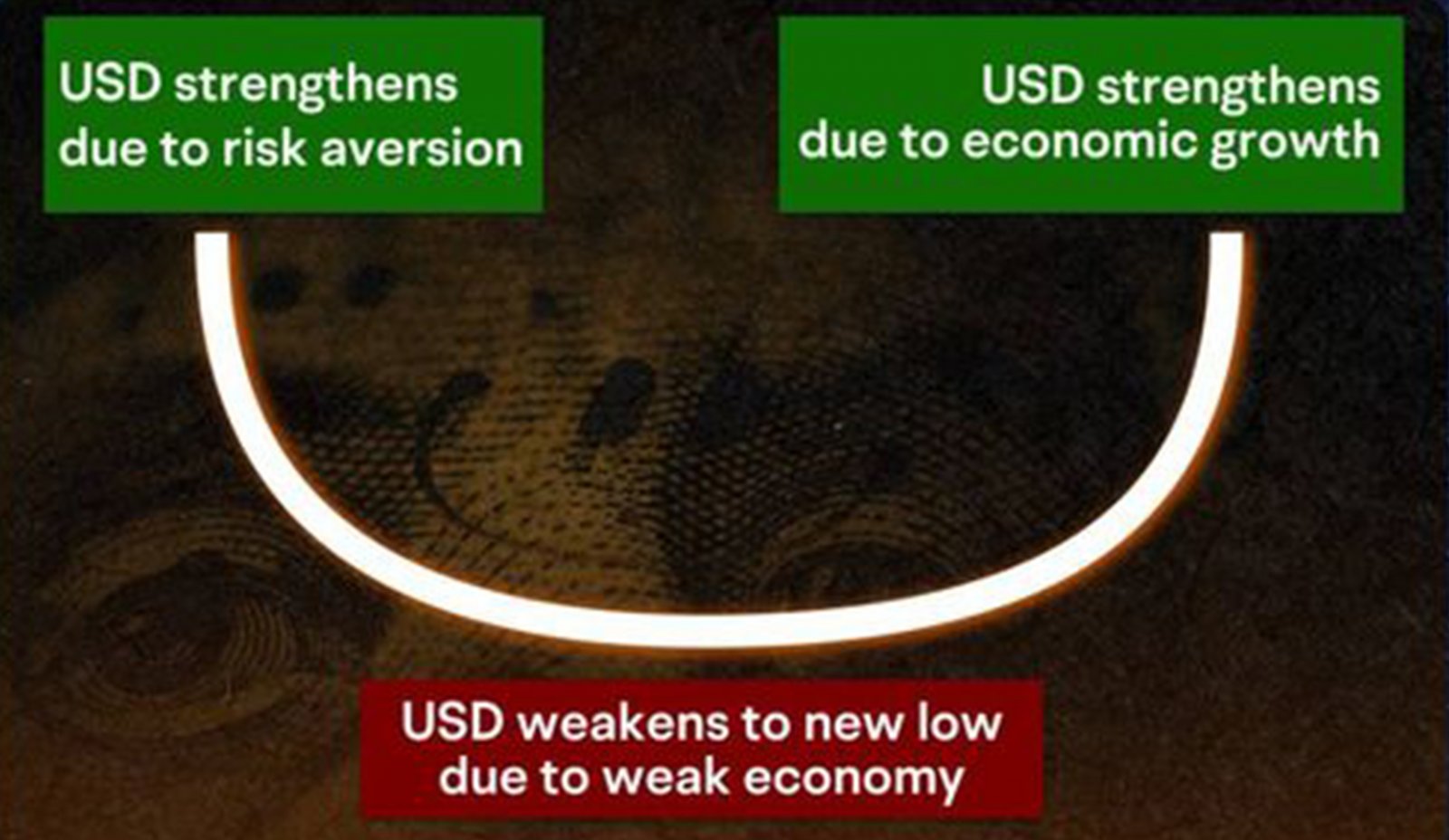
The "dollar smile" was put forward by Stephen Jen, a well-known economist, who described the trend of the dollar as a smiling face curve, which showed the performance of the dollar exchange rate under three different economic conditions: The American economy is strong: when the American economy performs well and grows strongly, investors will invest money in the United States and buy dollar assets, and then the dollar will appreciate, which is the right rising part of the smile curve. Global economic instability: When there are problems or uncertainties in the global economy, investors will turn their money to the safe currency, the US dollar, to preserve value and avoid risks. At this time, the dollar will also appreciate, which is the left rising part of the smile curve. Economic stability or slowdown: when the economy does not grow significantly or slows down slightly, investors' demand for US dollars decreases and may choose to invest elsewhere. At this time, the US dollar will depreciate, which corresponds to the middle concave part of the smile curve. Investment strategy when the dollar is strong; Strong economy: When the US economy grows strongly and the data is bright, the US dollar usually strengthens. At this time, investors will consider increasing the allocation of US assets, such as US stocks or bonds. Because economic growth means that corporate profits increase, the market performance may be better. Demand for safe haven rises: When the global economy is unstable or facing crisis, the US dollar will strengthen as a safe haven currency. At this time, investors can increase their holdings of assets denominated in dollars or dollars, such as gold, because such assets are more defensive when the market fluctuates. Investment strategy when the dollar weakens; Steady or Slow Economic Growth: When the US economy grows steadily or slightly, and the US dollar may weaken, investors can consider investing in assets of emerging markets or other countries because the growth potential of these markets may be higher than that of the US, and the chances of currency appreciation are greater.
2024-08-27
GDP, namely gross domestic product, is one of the core indicators to measure a country's economic performance. Represents the total value of all final goods and services produced by a country's economy in a specific period (usually a season or a year). In the United States, changes in GDP are often used to assess economic health. How to interpret American GDP? The easiest way to understand American GDP is to observe its growth rate. GDP growth rate higher than 2-3% is usually considered as healthy economic growth, which means that economic activities are stable and the job market is strong. If the growth rate is lower than this range, we may need to pay attention to the risks that the economy may face. Why is American GDP so important? Data will directly affect people's living standards. When GDP grows, it usually means more employment opportunities, higher wages and richer choices of goods and services; On the contrary, the decline in GDP may lead to an increase in unemployment, a decrease in wages and an increase in the cost of living. Governments and economists often use GDP data for economic analysis and policy formulation. GDP growth rate is an important reference for formulating fiscal and monetary policies, which helps the government to regulate the economy, promote employment and stabilize prices. As the world's largest economy, GDP also has a profound impact on the global economy. When the US economy is strong, exports and investments from other countries are usually boosted. Limitations of GDP: GDP only calculates the value of market transactions, ignoring the economic value of non-market activities such as family labor self-sufficiency and voluntary service. GDP can't reflect the inequality of income distribution within a country. Even if GDP grows, there may be the problem of uneven income distribution.
2024-08-20
In the era of increasing global economic uncertainty, seeking stable investment tools to protect wealth is an important goal for many investors, and gold and American debt are widely regarded as two safe-haven assets. U.S. Treasuries are issued by the U.S. federal government to finance government expenditures and endorsed by the government's credit. Mainly divided into the following categories: Treasury bills (T-Bills) Duration: short-term, the duration is less than one year, and the common ones are 4 weeks, 13 weeks, 26 weeks and 52 weeks. Features: Treasury bonds are issued at a price lower than par value, and paid at par value at maturity. Investors' income comes from the difference between the purchase price and the face value. T-Bills does not pay interest regularly (that is, zero coupon bond). Treasury notes (T-Notes) Term: medium term, with a term of 2 years, 3 years, 5 years, 7 years and 10 years. Features: Treasury bills pay fixed interest once every six months, and the principal is paid in face value at maturity. Due to the long term of T-Notes, its rate of return is usually higher than that of T-Bills. Treasury bonds (T-Bonds) Duration: Long term, with a duration of 20 or 30 years. Features: Treasury bonds are similar to treasury bills, with fixed interest paid once every six months, and the principal paid in face value at maturity. Because T-Bonds have the longest term, its yield is usually higher than other types of national debt. Treasury inflation-protected securities (TIPS) Term: 5 years, 10 years and 30 years. Features: The principal of TIPS will be adjusted according to the US Consumer Price Index (CPI) to cope with inflation. The interest payment of TIPS is based on the adjusted principal, so it can help investors protect their purchasing power in an inflationary environment. At maturity, investors will receive the higher of the adjusted principal or the initial principal. Savings Bonds (savings bonds) Category: mainly including series EE bonds and series I bonds. Series EE bonds: fixed interest rate, usually for individual investors. The investment period is as long as 30 years and can be redeemed if it is held for at least 1 year, but there will be interest loss if it is redeemed within 5 years. Series I bonds: composed of fixed interest rate and variable interest rate adjusted according to inflation, providing protection against inflation. Floating rate notes (FRNs) Duration: 2 years. Features: The interest rate of FRNs is adjusted every three months, based on the yield of the latest 13-week Treasury bonds. They provide protection against interest rate changes and are suitable for investors who are worried about rising interest rates. These types of bonds have their own characteristics and are suitable for investors with different risk tolerance and investment periods.

2024-08-14
The yen, which has always maintained a low interest rate, has attracted many investors to carry out Carry Trade, that is, borrowing yen at a low interest rate and reinvesting it in assets with a higher rate of return until the Bank of Japan raised interest rates at the end of July and set off an Unwinding of yen positions. Arbitrage and open position are two closely related concepts. It has an important influence on the global foreign exchange market, especially in the period when interest rates and exchange rates fluctuate greatly: arbitrage Borrow at a low interest rate in yen, and then convert these funds into high-interest currencies or assets such as Australian dollar, US dollar or emerging market currencies to earn spreads. This trading strategy is usually particularly popular when the global economy is stable and interest rates in other countries are high while Japan maintains low interest rates. It is considered that the exchange rate risk is low and the spread income can be obtained stably. Yen open position It refers to the process that arbitrage traders are forced or take the initiative to close their positions due to changes in the market environment, that is, selling high-interest assets and buying back yen to return yen loans. This usually has a significant impact on the market, especially in the case of large-scale warehouse demolition. Trigger reason: Changes in interest rate policy: With the rising inflation in Japan, the Bank of Japan was forced to raise interest rates to 0.25% in early August, the borrowing cost of yen increased, and the profit margin of arbitrage trading narrowed, prompting investors to close their positions. Exchange rate fluctuation: when investors open their positions and return the yen, and the funds are exchanged back to the yen, which drives the yen to appreciate, the yen debt cost of arbitrage traders will rise, resulting in a decrease in investment returns or even losses. In order to prevent further losses, investors will quickly open their positions. Risk mood change: When the global market uncertainty increases or financial crisis occurs, investors usually avoid risky assets, sell high-interest currencies and buy back the yen, which will lead to a sharp appreciation of the yen and further aggravate the pressure of opening positions. Market impact: When large-scale yen open positions occur, it will often lead to violent market fluctuations. The yen may appreciate rapidly, while the sold high-interest currencies or assets may depreciate sharply. Such fluctuations may spread to global financial markets and cause broader market turmoil. In an optimistic market, the yen carry trade will increase and the yen will depreciate. However, when the market sentiment becomes pessimistic, the yen will appreciate rapidly, which will lead to large fluctuations in the exchange rate, especially when global financial uncertainty intensifies.
2024-08-06
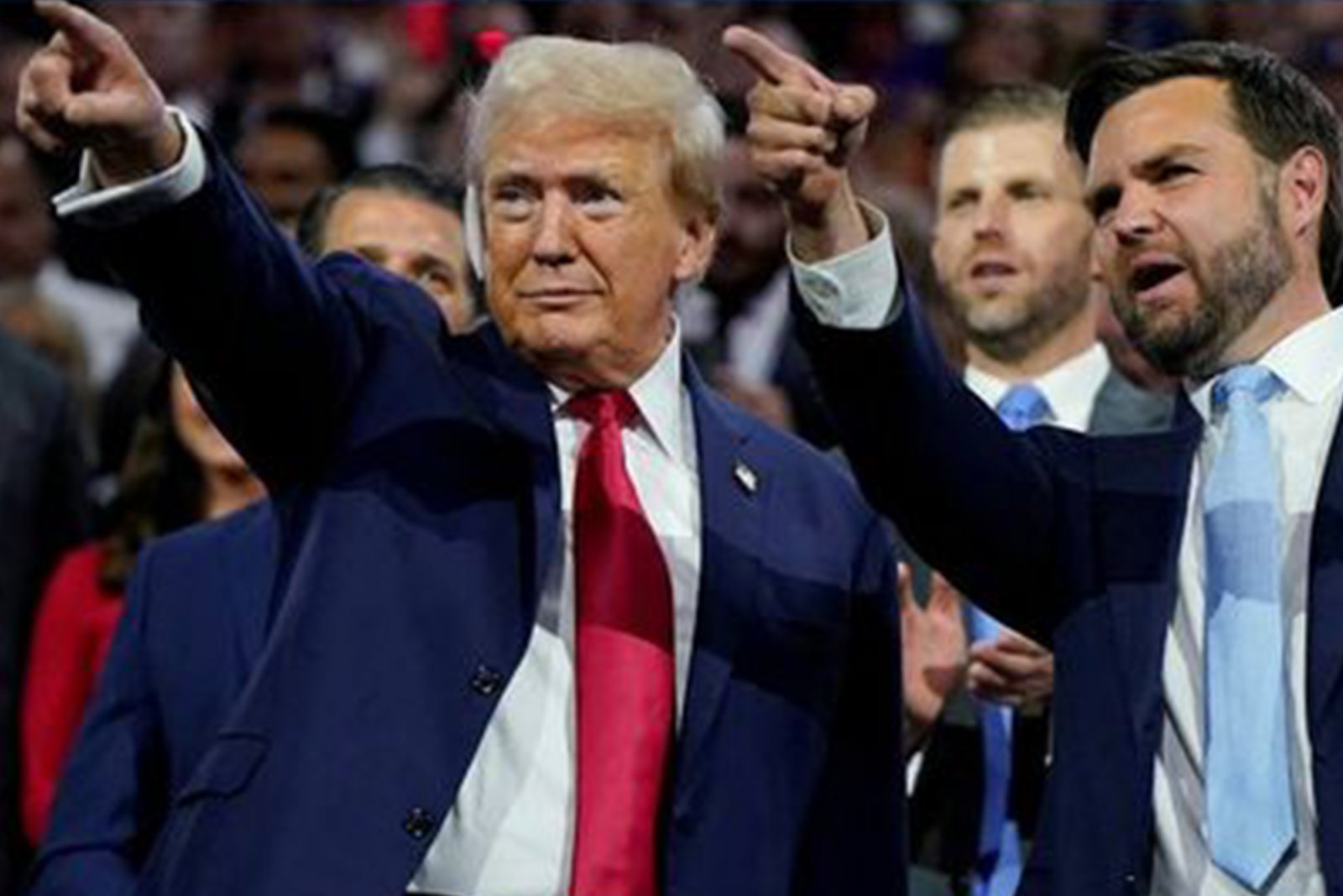
Trump chose J.D. Vance, who is half his age younger, as his deputy. Since Trump can only serve for one term, that is, four years, once re-elected, people from all walks of life focus on his deputy Vance. The advantages and disadvantages of this decision are respectively brought. Who is Vance? Vance grew up in an ordinary single-parent family in the industrial decline area of Northeast China called the "rust belt" in the United States. He graduated from Yale Law School, served in the US Marine Corps, and worked in the field of venture capital before running for public office in 2022. He was also a best-selling author. Vance opposed Trump eight years ago, and today his platform is accused of being a copy of Trump: he supports populist economic policies, advocates wide-ranging tariffs, especially on China goods, and hopes to bring manufacturing back to the United States. Vance supports the oil and gas industry to be skeptical about climate change, and opposes wind, solar and electric vehicles. Benefits of choosing Vance: Attracting young voters: Vance is young and energetic, which helps Trump attract younger voters. Young voters may resonate with Vance's experience and views, thus increasing their support for the Republican Party. Grassroots background: Vance's growing experience is relatively common. His story "Elegy of Country People" deeply explores the life of the working class in the Midwest of the United States, enabling him to establish deeper ties with those voters. Military experience Vance has served in the Marine Corps, which has increased his credibility on national defense and military issues and attracted the support of military voters. Policy perspective: Vance has his own views on economic issues, especially on how to help the working class affected by globalization and automation. His views can enrich Trump's economic policy. Cultural resonance: Vance is from Ohio, which is an important swing state. His participation will strengthen Trump's vote support in these areas and help win the election. The disadvantages of choosing Vance Lack of political experience: Vance has relatively little political experience, and the vice president needs to play an important role in domestic and international affairs. Inexperience may be considered as a negative factor. Potential negative reports: Vance's personal life and past remarks will be amplified by the media and become the target of the campaign. Attraction scope: Vance's attraction is mainly concentrated in the working class and the central and western regions, which is not enough to expand Trump's national support base.

2024-07-30
The 329 gold medals produced in the Paris Olympic Games mean that each one is worth 950 dollars, including 18 grams of old iron pieces of Eiffel Tower. At the same time of winning gold medals, all countries will give out bonuses to encourage athletes before the opening of the Olympic Games. Forbes survey confirmed that at least 33 countries or regions will give cash prizes to winners, among which the gold medal winner of Hong Kong team will get a bonus of HK$ 6 million alone, making it "the first in the world" on the gold medal list. Hong kong bonus Hong Kong team athletes who win medals or the fourth to eighth place will receive a bonus from the Jockey Club Outstanding Athletes Award Scheme, which is 20% higher than that of the last Tokyo Olympic Games. The gold medal in individual events can get 6 million silver medals, 3 million bronze medals, 1.5 million Hong Kong dollars, 750,000 Hong Kong dollars for the fourth place, and 375,000 Hong Kong dollars for the fifth to eighth places. The top three teams won HK$ 12 million, HK$ 6 million and HK$ 3 million, while the fourth and fifth to eighth teams won HK$ 1.5 million and HK$ 750,000 respectively. Top five countries and regions on the list Among the known data, Hong Kong ranked first with a bonus of $768,000, far exceeding the second-ranked Israel with $275,000, the third Serbia with $218,000, Malaysia with $214,000 and Italy with $196,000. The data is the statistics of Forbes before the official opening of the Paris Olympic Games, and it does not rule out the subsequent reissue of bonuses in other countries or regions. In order to celebrate Hong Kong athletes' winning gold in the Paris Olympics, the bid-ask spread of gold dropped to 0.11. From now until 17/08/24, the newly opened account gave USD111 as a welcome gift. Contact customer service to open an account for details. Hong Kong's platform supports Hong Kong athletes, and Hong Kong's financial services and even sports are internationally competitive, which deserves support. I wish the Hong Kong team more success in the future. Hong Kong Shiyi! The 329 gold medals produced in the Paris Olympic Games mean that each one is worth 950 dollars, including 18 grams of old iron pieces of Eiffel Tower. At the same time of winning gold medals, all countries will give out bonuses to encourage athletes before the opening of the Olympic Games. Forbes survey confirmed that at least 33 countries or regions will give cash prizes to winners, among which the gold medal winner of Hong Kong team will get a bonus of HK$ 6 million alone, making it "the first in the world" on the gold medal list. Hong kong bonus Hong Kong team athletes who win medals or the fourth to eighth place will receive a bonus from the Jockey Club Outstanding Athletes Award Scheme, which is 20% higher than that of the last Tokyo Olympic Games. The gold medal in individual events can get 6 million silver medals, 3 million bronze medals, 1.5 million Hong Kong dollars, 750,000 Hong Kong dollars for the fourth place, and 375,000 Hong Kong dollars for the fifth to eighth places. The top three teams won HK$ 12 million, HK$ 6 million and HK$ 3 million, while the fourth and fifth to eighth teams won HK$ 1.5 million and HK$ 750,000 respectively. Top five countries and regions on the list Among the known data, Hong Kong ranked first with a bonus of $768,000, far exceeding the second-ranked Israel with $275,000, the third Serbia with $218,000, Malaysia with $214,000 and Italy with $196,000. The data is the statistics of Forbes before the official opening of the Paris Olympic Games, and it does not rule out the subsequent reissue of bonuses in other countries or regions. In order to celebrate Hong Kong athletes' winning gold in the Paris Olympics, the bid-ask spread of gold dropped to 0.11. From now until 17/08/24, the newly opened account gave USD111 as a welcome gift. Contact customer service [https://api.whatsapp.com/send?phone=85254454098] to open an account for details. [https://mingtakfn.com/tc/page/open-account?ref=11818] Hong Kong's platform supports Hong Kong athletes, and Hong Kong's financial services and even sports are internationally competitive, which deserves support. I wish the Hong Kong team more success in the future. Hong Kong Shiyi!

2024-07-23
The opening ceremony of the Paris Olympic Games will be held on July 26th local time, which is not only a sports event but also a stage for a country to show its strength and culture. The economic effect behind hosting the Olympic Games is worth pondering. Huge investment and infrastructure upgrading Bidding for the Olympic Games requires a lot of money to build infrastructure and venues to upgrade the city's public facilities, and to improve the transportation system, it also needs to invest a lot of money in publicity and public relations activities, which are not only for the Olympic Games, but also for the long-term benefit of urban residents after the Olympic Games. The prosperity of tourism The Olympic Games will attract millions of spectators from all over the world. Accommodation, dining, shopping and entertainment activities in Paris will bring tourism income. Directly promote the local economy, but also create a large number of temporary and permanent employment opportunities, and promote the development of related industries. Economic growth and tax increase All kinds of enterprises will benefit from the Olympic Games, from construction companies to small shops. With the increase of economic activities, the government's tax revenue will also increase accordingly. These funds can be used to further improve public services and infrastructure. Urban brand and international influence are enhanced. As the host city of the Olympic Games, Paris will enhance its brand and popularity on a global scale. This promotion of international influence will help attract more international investment, business cooperation and tourism business. After the Olympic Games, Paris is expected to become the first choice for more international activities and further consolidate its position in global cities. Challenges and risks Paris Olympic Games has brought many economic opportunities, but it also faces challenges and risks. Whether the expected economic return can be achieved after the Paris Olympic Games has invested more than 8.8 billion euros is a key issue. In addition, how to effectively manage the safety and traffic pressure during the Olympic Games and ensure the smooth progress of the activities is also an important challenge that Paris needs to deal with.
2024-07-16
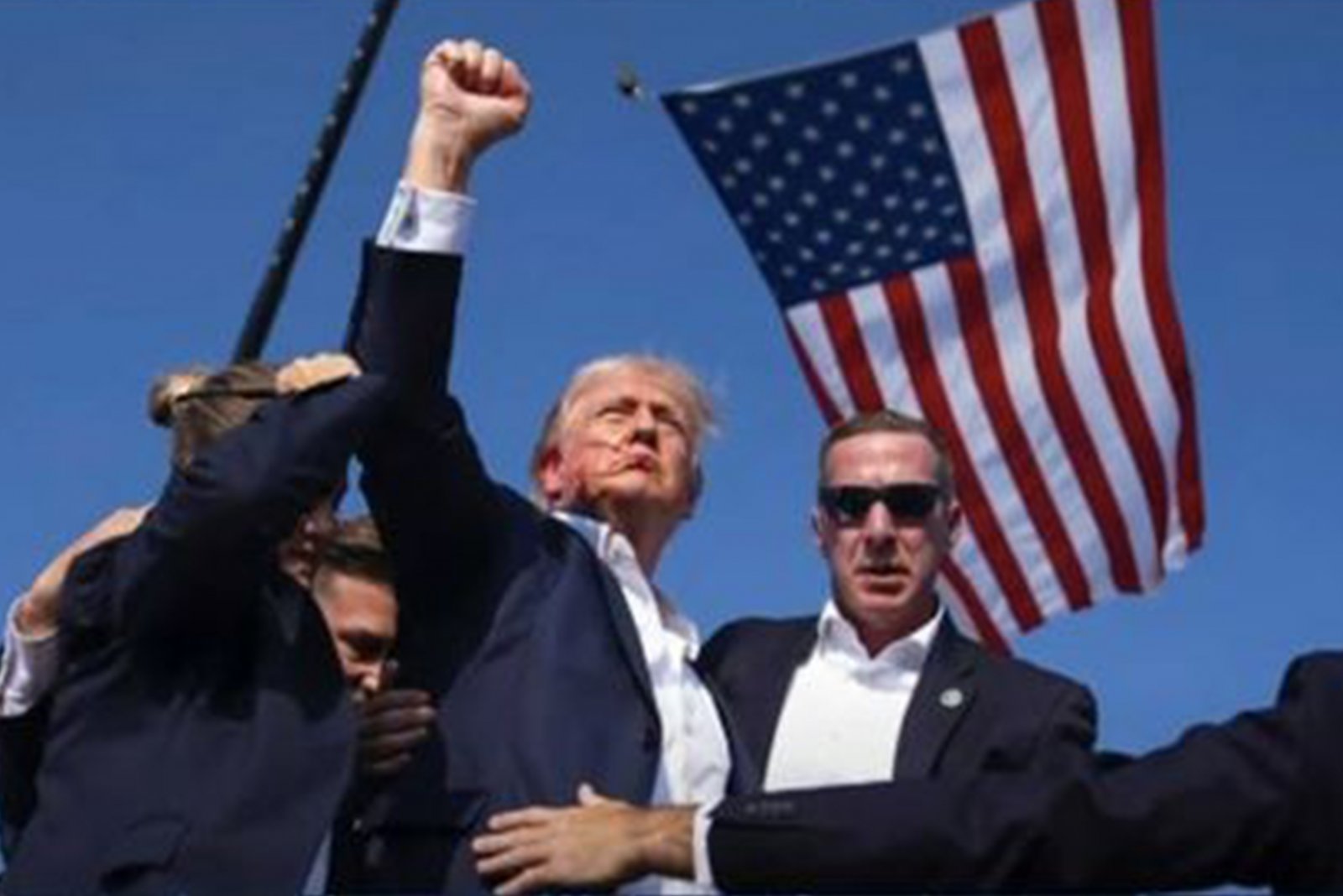
Earlier, former US President Trump was attacked at the rally. Some analysts believe that regardless of the presidential or congressional elections, the Republican Party's winning rate has increased significantly, so that the probability of "Trump deal" reappearing has increased. What is Trump deal? How to influence the investment market? What is the Trump Deal? "Trump deal" refers to the investment market's expectation that the Republican Party will usher in policies such as tax reduction, trade policy and deregulation when it returns to the White House, and then adjust its investment strategy to gain potential benefits. "Trump Deal" Policy and Market Impact; Tax reduction policy: The Trump administration has implemented large-scale tax cuts, especially tax relief for enterprises, which has improved the profitability of enterprises. Investors tend to increase their investment in American enterprises, especially those industries that benefit from tax cuts such as finance, manufacturing and energy. US stocks are expected to rise Deregulation: The Trump administration is committed to deregulating finance, energy and other industries, which will help reduce the cost of enterprises and improve their competitiveness. Investors are therefore optimistic about these industries and expect them to benefit from a more relaxed regulatory environment. Unfavorable financial stocks, traditional energy stocks benefited, and renewable energy stocks. Trade policy: Trump's protectionist policies, such as tariff measures against China and other countries, have caused market uncertainty, but they have also allowed investors to adjust their investment strategies and look for industries and companies that can benefit from the trade war. Will worsen inflation in the United States Cryptographic currency: The latest draft of the Republican Party's party platform clearly states that "the suppression of cryptocurrencies will be ended" and opposes the introduction of digital currency by the central bank, the defense of bitcoin mining rights, and the defense of the rights to custody and free trading of digital assets. Good cryptocurrency
2024-07-09
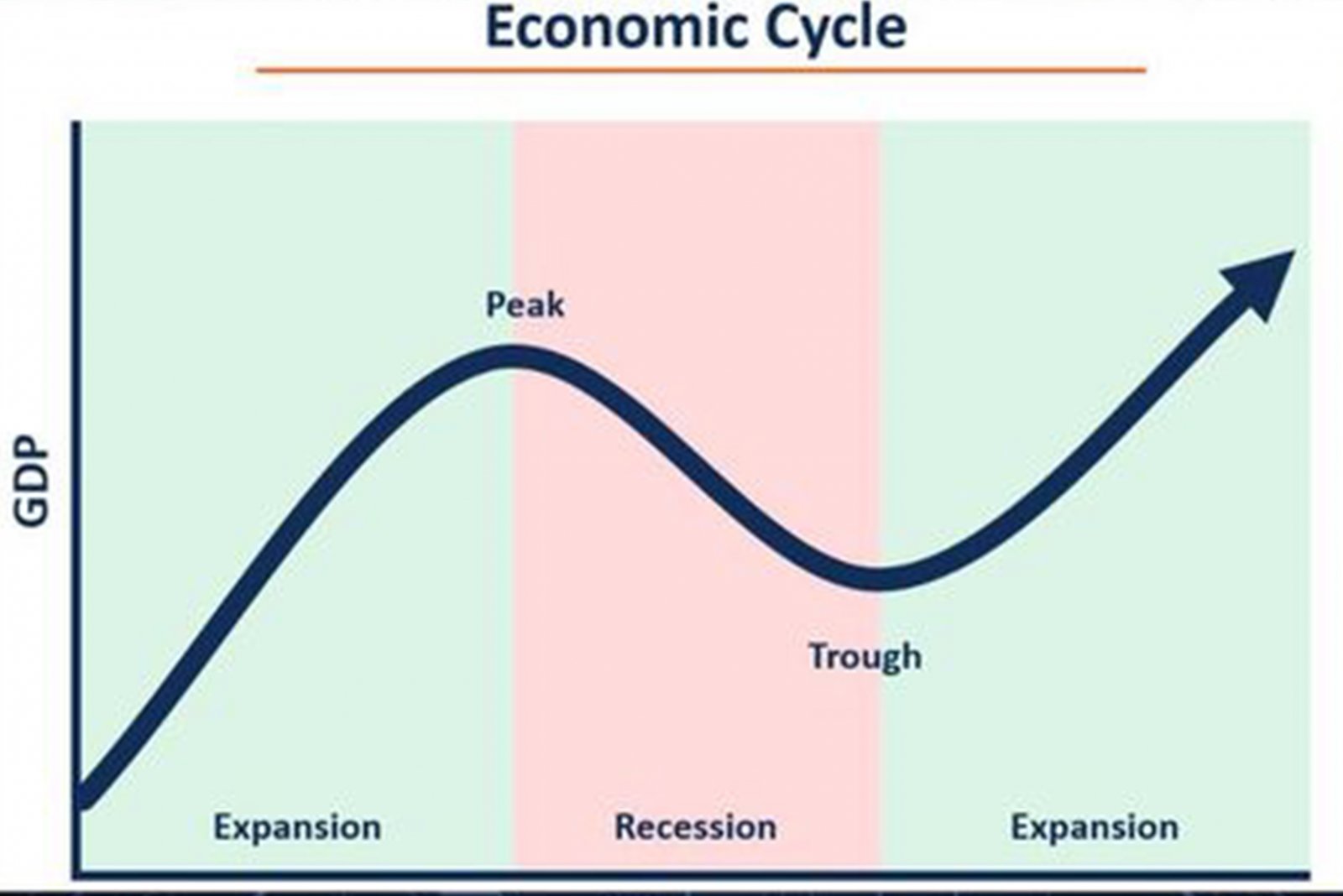
It is very important for investors to distinguish the economic cycle because different stages of the economic cycle have different effects on the investment market. The economic cycle is usually divided into four main stages: expansion, prosperity, contraction and recession. By observing seven economic indicators and market trends, we can identify the stage of the economy and formulate corresponding investment strategies. GDP growth rate Expansion stage: GDP continues to grow and the growth rate is accelerated. This stage is usually accompanied by an increase in production and consumption. Prosperity stage: GDP growth rate reaches its peak and economic activity reaches its highest level. Contraction stage: GDP growth rate began to decline and economic activity weakened. Recession stage: GDP shows negative growth and economic activity is at a low point. unemployment rate Expansion stage: the unemployment rate is gradually decreasing, and more people have found jobs. Prosperity stage: the unemployment rate is at a low level and the labor market is tight. Contraction stage: the unemployment rate begins to rise, and enterprises reduce recruitment. Recession stage: the unemployment rate has risen significantly and a large number of workers have lost their jobs. CCI Expansion stage: the index rises and consumers are optimistic about the future economic prospects. Prosperity stage: the index reached its peak and consumer spending was strong. Contraction stage: the index drops and consumers are worried about the future economic prospects. Recession stage: the index is at a low level and consumers are pessimistic about the future economic prospects. inflation rate Expansion stage: gradually rising, increasing demand and rising prices. Prosperity stage: When it reaches a higher level, the economy may overheat. Contraction stage: it begins to decline, demand decreases and prices stabilize. Recession stage: at a low level or even deflation. interest rate Expansion stage: the central bank may gradually raise interest rates to prevent the economy from overheating. Prosperity stage: interest rates are at a high level to curb inflation and over-investment. Contraction stage: the central bank may lower interest rates to stimulate economic activity. Recession stage: interest rates are at a low level to promote consumption and investment. Stock market performance Expansion stage: the stock market performed well, the stock price rose and investors' confidence increased. Prosperity stage: the stock market reaches its peak and the stock price is at a high level, which may lead to excessive speculation. Contraction stage: poor performance of the stock market, falling stock prices, and declining investor confidence. Recession stage: the stock market is at a low point, the stock price has fallen sharply, and investors are in a low mood. industrial production index Expansion stage: the index rises and industrial activities increase. Prosperity stage: the index reached its peak and industrial production was active. Contraction stage: the index drops and industrial activity weakens. Recession stage: the index is at a low level and industrial activity is sluggish.

2024-07-02
Non-farm payrolls released once a month not only reflect the simple data of American job market, but also hide a lot of important information, which is of great value to investors. The following is a detailed guide to the interpretation of non-agriculture. The change of total employment is the most direct indicator of the health of the labor market; Higher than expected: indicating strong economic growth, the stock market rose and the dollar strengthened. Lower-than-expected: It implies that the economy is slowing down, the stock market is falling and the dollar is weakening. Unemployment rate: Both unemployment rate (U3) and unemployment rate (U6) including underemployed people should be paid attention to: Falling unemployment rate: generally a good sign, but if it is caused by falling labor force participation rate, it needs to be cautious. Rising unemployment rate: it may indicate economic problems, but if it is accompanied by rising labor force participation rate, it may be the result of more people returning to the labor market. The labor force participation rate reflects the proportion of working-age population participating in the labor market; Increased participation rate: indicating economic improvement. Declining participation rate: It may indicate labor market problems or an aging population. Wage growth: the wage growth rate affects inflation and consumption; Accelerated wage growth: It may indicate inflationary pressure and the Federal Reserve may raise interest rates. Wage growth slows down: inflationary pressure eases, and the Fed may maintain or lower interest rates. Industry distribution: the distribution of employment growth in different industries; The growth of manufacturing and construction shows that the economic foundation is strong. The growth of service industry: such as retail and hotel industry, may reflect the increase in consumption, but there are seasonal fluctuations. Full-time and part-time jobs: the growth of full-time and part-time jobs; The increase of full-time jobs: a sign of economic health. The increase of part-time jobs may indicate that enterprises are unwilling to provide full-time jobs or workers cannot find full-time jobs. Average weekly working hours: reflecting the intensity of enterprise activities; Increased working hours: indicates that enterprise activities will strengthen future employment growth. Reduced working hours: It may imply a slowdown in economic activity and possible layoffs in the future. Revised data: Non-agricultural data are frequently revised, so we should pay attention to these changes: Upward correction: the previous economic performance was underestimated and the market may react positively. Downward revision: the previous economic performance was overestimated and the market may react negatively. Comprehensive analysis of these indicators: help to accurately assess the health of the American economy, predict the future economic trend, and make more informed investment and policy decisions.

2024-06-25
In the investment market, Sentiment Indicators are usually used to capture investors' psychological and behavioral trends and are widely used to predict price trends. Investors' understanding of investment sentiment helps to formulate investment strategies. In the gold market, common investment sentiment indicators include: COT report (Commitment of Traders Report): The report issued by the Commodity Futures Trading Commission (CFTC) reflects the positions of different types of traders in the futures market. By analyzing the changes of positions of commercial traders (such as gold mining companies) and non-commercial traders (such as hedge funds), we can infer the market's long and short emotions. Gold ETF positions: The position change of gold ETF (such as SPDR Gold Shares) is often regarded as an indicator of market investment sentiment. An increase in positions usually means that investors are optimistic about the price of gold, while a decrease in positions means bearish. Market volatility indicators (such as VIX): Although VIX mainly reflects the volatility of the stock market, high volatility usually means that the market panics and investors may turn to gold to hedge. Therefore, there is sometimes a positive correlation between VIX and gold price. Analysis of media and news mood; By analyzing the mood of media reports and news headlines, we can capture the public's views on gold. For example, when a large number of reports pay attention to the economic crisis and geopolitical tension, gold usually receives more attention and investment. The investment sentiment index provides valuable reference for investors, helping to better predict the price trend and formulate more effective investment strategies. These indicators are particularly important in the period of market turmoil, which can reveal the potential changes in market sentiment and help investors make more informed decisions.

2024-06-18
When we make investment decisions, we will be affected by various psychological traps and emotional factors. For example, when the market price falls, everyone will sell, feel panic, rush to sell, but ignore the original strategic objective. The reason is likely to be stepping in the "psychological trap" : Conformity bias The tendency to believe and follow the actions of others, especially in uncertain situations, makes us more likely to be influenced by the group and ignore our own judgment, which is typical of "herding". Loss aversion Because we hate losses, we prefer to take risks to avoid losses rather than pursue gains, which often leads us to make irrational decisions. Anchoring effect When we make judgments, we tend to be influenced by a reference point or "anchor" even if that reference point has nothing to do with the issue itself. This bias can lead us to make systematic mistakes. overconfidence They tend to overestimate their own abilities and knowledge, underestimate risks, and are often overconfident in their own predictions and decisions, ignoring the influence of external factors. If you don't recognize and overcome these pitfalls, you are likely to make some irrational investment decisions that will ultimately affect your financial well-being. Be alert and reflect on your motivations and logic. Actively seek out different points of view and avoid overconfidence and anchoring. Develop a clear investment strategy and risk appetite to reduce the impact of mood swings. When building your portfolio, diversify your investments appropriately to reduce the risk of a single decision. Only by identifying and overcoming these psychological traps can we truly become rational investors and achieve our long-term financial goals.

2024-06-11
The unemployment rate is regarded as an important indicator reflecting the overall economic situation, which is closely related to our lives. It is also highly valued by economists and financial experts, and it is also an important basis for the Federal Reserve to raise interest rates. What important information is hidden behind the unemployment rate? What is the unemployment rate? Unemployment Rate reflects that the proportion of the unemployed labor population in the labor market in the past month is a backward indicator in nature. In addition, when enterprises go to the economy of layoffs, it is very severe. It is generally believed that the unemployment rate will lag behind the economy for about 3-9 months, and there will be a time gap to judge the economic situation from the unemployment and employment data. When the unemployment rate is low, people's income is stable and the market is naturally prosperous. On the contrary, the consumption expenditure of the unemployed is reduced and the tax revenue is reduced, which further affects the government's fiscal revenue and affects the economy. The unemployment rate can be said to be an important indicator that directly affects investment and consumer confidence. Hide important messages: Anticipate the trend of the US market Although the unemployment rate is a backward indicator, its rise or fall will not be immediately reflected in the market, when the unemployment rate falls, it means economic recovery and the market trend will obviously start to move. Forecast the direction of interest rate policy As far as the Federal Reserve is concerned, the inflation rate and unemployment rate are regarded as two major indicators to raise interest rates. The inflation target is set at 2%, and the unemployment rate is expected to be 4.7%. When these two data are maintained at the target level, it means that the probability of raising interest rates in the US economy will increase greatly. Therefore, American unemployment data often become the focus of economists, financial media and so on. Want to grasp the unemployment rate faster. We can refer to two other employment indicators, namely "the number of people applying for unemployment benefits for the first time" and "non-agricultural employment population (NFP)". The former mainly records the number of people applying for unemployment benefits for the first time in a week in the United States, and the latter represents the employment situation in services, manufacturing and other industries. Knowing these two data, we can grasp the future unemployment rate earlier.
2024-06-04
The market expects that the European Central Bank will announce a rate cut at the monetary policy meeting on Thursday (6th), which will lead the euro zone to a different policy path from the United States, and the global interest rate path or differences will have some important economic impacts: fluctuations in exchange Interest rate cuts in the euro zone will devalue the euro against the US dollar, because lower interest rates reduce investors' demand for the euro. The relative appreciation of the dollar may make American goods more expensive for countries that use the dollar for international trade. capital flow Investors will tend to transfer funds from the euro zone with lower interest rates to the United States with higher interest rates to obtain higher returns. This will lead to capital outflow from the euro zone, while the United States will attract more foreign capital. trade balance The depreciation of the euro makes the export goods of the euro zone relatively cheap, which may enhance its export competitiveness. On the contrary, American exports have become relatively expensive and may weaken American exports. Inflation and economic growth Interest rate cuts in the euro zone may trigger the risk of rising inflation. If the United States maintains a high interest rate, it may curb inflation, but it may also slow down economic growth. Global market impact Global markets will pay close attention to these policy differences, because they will affect global capital flows and trade patterns. The change of investors' risk preference will affect the performance of global stock market and bond market.

2024-05-28
Price Action refers to all the contents such as the trend of asset prices. Many investors will analyze the price changes on the chart through price behavior to gain a deeper understanding of the potential market dynamics. Trading method of price behavior: Investors only need to make trading decisions according to the price chart, and use basic technical analysis tools such as resistance support, yin-yang candle shape and chart shape to pay attention to price changes, without complicated indicators to capture trading signals and predict market trends. Benefits of price behavior: simple Simplify the analysis and trading process, investors can make trading decisions through basic technical analysis tools without complicated and chaotic indicators, and can concentrate on analyzing, observing and looking for better trading signals. Easy to learn and implement Novices are easier to learn and implement, thus increasing their chances of entering the market. In addition, the simplicity of this method reduces the possibility of analysis errors so that more accurate trading decisions can be made. No lag Different from the traditional technical indicators, it has the advantage of no lag. Traders can quickly observe market trends and react quickly, thus creating opportunities to seize the wave. Investor-led trading Use investors' analytical and critical thinking skills to make wise trading decisions instead of relying on pre-programmed indicators. Deficiencies in price behavior: It is easy to be subjective and may lead investors to hold different interpretations. Although it has many advantages, it is not a perfect method and may not work in all market conditions. In addition, because it relies on investors for analysis and decision-making, it cannot be fully automated.

2024-05-21
The scarcity of bitcoin has always been the focus of market speculation. Investors believe that as long as there is demand in the market, the price will rise indefinitely. Bitcoin was halved last month. In the past, every halving was regarded as a catalyst for price increase. In 2012, 2016 and 2020, the highs before and after halving were 93 times, 30 times and 8 times respectively. However, in the past, the price did not rise immediately after halving, and sometimes it even adjusted for a period of time, and the price fluctuated greatly. What is halving? Since the advent of Bitcoin in 2009, it has experienced four times of "halving". The so-called "halving" means that miners get "halving" the rewards through mining. Every time the bitcoin blockchain generates 210,000 blocks, the bitcoin block reward will be halved, which happens once every four years. At present, miners get 3.125 bitcoin prizes for every block dug up until the upper limit of 21 million bitcoin blocks is fully exploited, and the process of halving will end, which is expected to appear in 2140. Sources of scarcity The supply of bitcoin is limited to 21 million pieces to ensure that its supply is strictly controlled, which is in sharp contrast to the unlimited issuance of legal tender, and the mining reward has been halved, and the number and the end of mining have a certain time. Bitcoin uses asymmetric encryption, and holders need to use private keys to access their assets. If the private keys are lost, forgotten or the holders die, these bitcoins will never be retrieved, thus further reducing the number of bitcoins in circulation.
2024-05-14
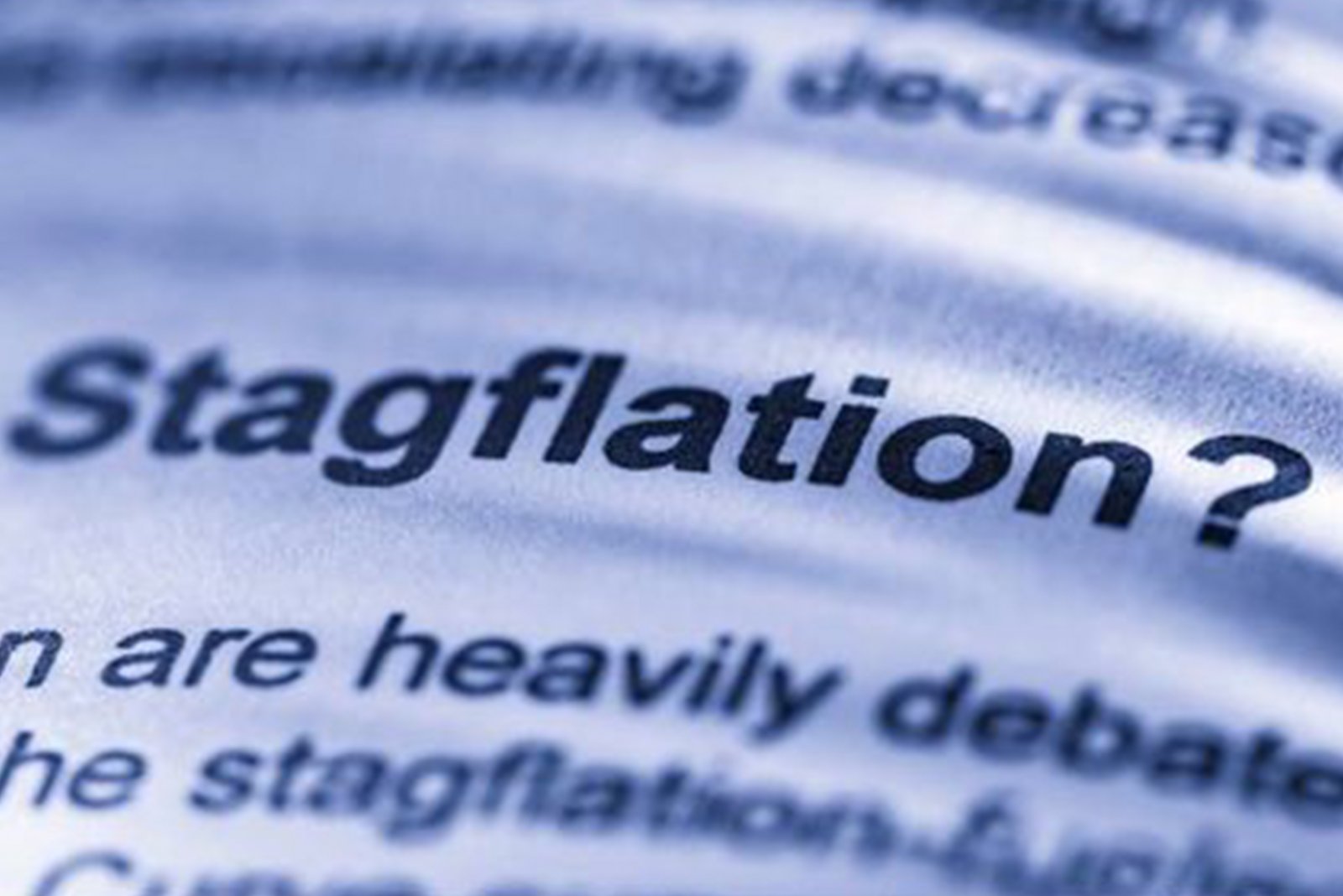
Us data raises fears of stagflation: GDP and jobs data lag First-quarter GDP grew at an annualized rate of 1.6 percent, less than half the previous quarter's 3.4 percent pace. Nonfarm payrolls rose 175,000 in April, well below expectations that the unemployment rate rose to 3.9%. Inflation of CPI and PCE The CPI rose at an annual rate of 3.5% in March, higher than expectations of 3.4% and higher than the previous reading of 3.2%. The PCE price index, which rose 3.7 percent in the first quarter, is well above the Fed's 2 percent inflation target. The chief executive of jpmorgan Chase warned earlier that the stagflation crisis of the 1970s could return and investors should brace for interest rates to rise to 8 percent. Ubs analysts also believe the United States is at risk of stagflation. What is stagflation? stagflation is when the economy stagnates or even declines while high inflation persists. When recession and inflation occur at the same time central banks are caught in a dilemma: pumping money into the economy will drive up inflation; Income pressure inflation will worsen the recession business closures and unemployment will soar. The impact of stagflation on the market? As inflation increases the cost of goods and services, thereby reducing consumers' purchasing power and negatively impacting corporate profits and consumer spending, stagflation tends to cause stock prices to fall. Stagflation, on the other hand, is good for commodities such as gold or silver because they are often seen as a hedge against inflation. These commodities offer potential opportunities for traders when inflation rises.
2024-05-07
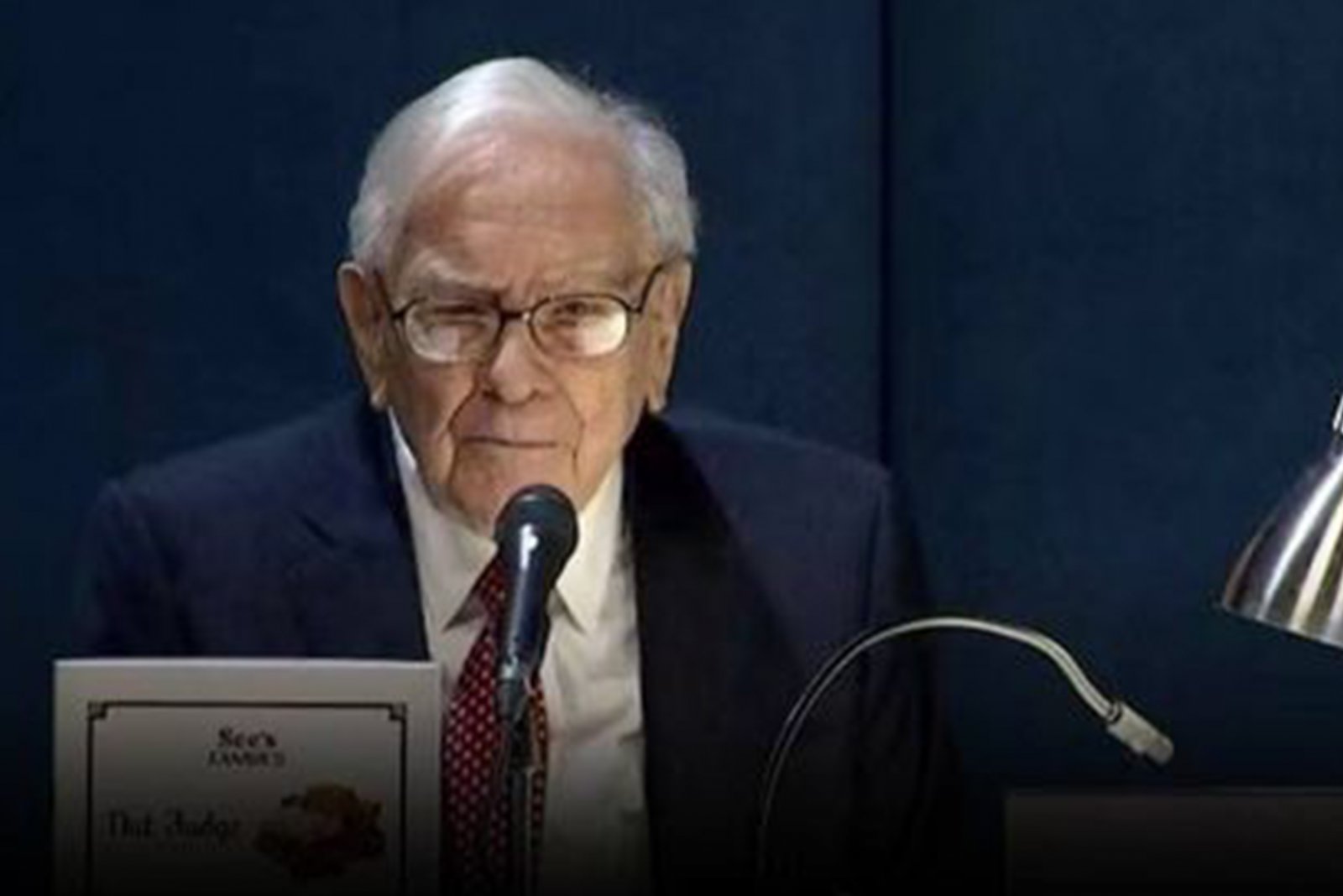
Over the past weekend, the annual Buffett shareholders' meeting ended, and tens of thousands of investors gathered to listen to Buffett's market views, investment strategies and philosophy of life. What did the stock god say this year? Talking about apples At the end of 2024, Apple is likely to remain the largest single stock in Ba County, or it will hold shares of Apple, Coca-Cola and American Express for a long time. Talking about artificial intelligence I don't know anything about artificial intelligence, but it doesn't mean that this technology is not important. The development of Al makes me a little nervous, which is similar to nuclear weapons. I think any labor-intensive industry may be threatened by AI. Talking about autonomous driving Regarding the impact of autonomous driving technology on insurance, he said that autonomous driving may reduce the occurrence of car accidents or reduce traffic costs, but it is still in a difficult initial stage. Talking about the American economy At present, it is not the absolute size of US Treasury bonds that threatens the US financial system, but inflation and the future value of the US dollar that threaten the whole system. So I'm not worried about the absolute amount of US Treasury bonds, but about the prospect of fiscal deficit. Talking about the investment direction The main investment battlefield in the future is still in the United States. I am very satisfied with the return on investing in Japan. I handed over my investment in India to the next management, and now I am investigating investing in Canada. Talking about the case of losing money The whole Paramount Universal shares have been sold and a lot of money has been lost. This is entirely my decision and has nothing to do with the two investment managers. Talking about successors Buffett confirmed that 61-year-old Greg Abel will take over the investment decision completely. Talking about Munger Munger once disagreed with me twice, suggesting investing in BYD and Costco. Both times Munger struck the table and urged to buy it. Looking back now, Munger was right in both decisions. Talking about the investment concept Luck plays a very important role in compound interest. My best skill now is to avoid risks and bad luck. When you are lucky, you must make full use of your luck.
2024-04-30
Yesterday, the exchange rate of the Japanese yen against the Hong Kong dollar hit a record low, falling below a six-year low, and it was tested at 4.944. Under the linked exchange rate, the appreciation or depreciation of the Hong Kong dollar against other currencies is completely controlled by the exchange rate of the US dollar against that currency. Therefore, even if the local economy has been experiencing frequent negative news recently, Hong Kong people can still take advantage of the "low water" of the yen to buy yen for tourism investment. What is the linked exchange rate? On October 17, 1983, the Hong Kong Government introduced the linked exchange rate system, and the Hong Kong dollar was pegged to the US dollar at the level of 7.8 Hong Kong dollars to 1 US dollar. The HKMA provided an exchange guarantee, promising to sell Hong Kong dollars at the strong exchange guarantee level of HK$ 7.75 to US$ 1 and buy Hong Kong dollars at the weak exchange guarantee level of HK$ 7.85 to US$ 1. Ensure the smooth operation of the currency and foreign exchange markets. What are the advantages of the linked exchange rate? The US dollar is almost universal, and the trade and financial transactions of various countries are mainly in US dollars. To provide a stable monetary pillar for Hong Kong and reduce the foreign exchange risks faced by importers, exporters and international investors. The closeness of the economic cycle can reduce the volatility brought by the economic cycle. The crisis of currency devaluation can be avoided What are the restrictions on the linked exchange rate? Local interest rates generally follow the trend of American interest rates, so we cannot use monetary policy to stimulate economic growth or curb inflation, which weakens Hong Kong's ability to rectify and adjust the economic cycle. The appreciation or depreciation of the Hong Kong dollar against other currencies is completely controlled by the exchange rate of the US dollar against this currency. If Hong Kong is confronted with the impact of overseas or local events such as the devaluation of competitors' currencies or the economic recession in export markets, it cannot adapt to the changes in the environment through exchange rate depreciation, thus affecting foreign trade and the balance of payments.


